
- Home
- Articles
- latamerica
- particle size drug particles
Refine by
Particle Size Drug Particles Articles & Analysis: Older
43 articles found

Evaluating the thermal stability of collagen is a crucial step in understanding its physical and chemical properties and assessing its potential applications. Thermal stability generally refers to the ability of collagen to maintain its structure and function during the heating process. Here are some common methods to evaluate the thermal stability of collagen:1. Differential Scanning Calorimetry ...

Gel Permeation Chromatography (GPC)This method uses gel as a stationary phase to separate and measure the molecular weight of collagen based on differences in molecular size and shape.2. Mass Spectrometry (MS)Mass spectrometry is a highly accurate technique that can be used to determine the exact mass of protein molecules. ...

The field of pharmaceuticals has seen rapid advancements in drug delivery technologies in recent years, one of which is long-lasting controlled-release microspheres technology. This technology involves the use of microscopic particles to deliver drugs in a controlled and sustained manner over an extended period of time. ...

POCT (Point-of-Care Testing) refers to clinical and bedside testing conducted in close proximity to patients. It is often not performed by clinical laboratory personnel. POCT holds significant importance in disease prevention, etiology determination, prognosis, enhancing treatment outcomes, and reducing healthcare expenses. It meets clinical testing needs across various healthcare settings. POCT ...
It has been approved by the U.S. Food and Drug Administration It is certified by the Food and Drug Administration (FDA) and is a copolymer material available on the market. ...

What are Adjuvants? Adjuvants, also known as immunomodulators or immune enhancers, are an additive to vaccines. Adjuvants are non-specific immune enhancers that enhance or alter the type of immune response to an antigen. Adjuvants can help antigens induce long-term effective specific immune responses in vivo, leading to higher vaccine efficacy and prolonged protection from immune responses. ...
PEG modification can increase particle size, shield negative charge, and reduce cytotoxicity, thus avoiding nuclease degradation and renal clearance of siRNA in vivo as well as reducing toxicity in vivo. ...

In nano-flow cytometry (nfCM), a sample of cells or other particles is passed through a laser beam. A number of photodetectors detect the light that is scattered off of the particles by the laser beam. A histogram of the particle sizes and light scattering characteristics is produced using the photodetectors' data. ...
It is a crucial parameter that directly impacts the therapeutic efficacy of the drug delivery system. Particle size distribution is another vital parameter that determines the physical characteristics of the microcapsules. A narrow particle size distribution ensures uniformity, which is essential for consistent ...
Microspheres are small spherical entities formed by dispersing or adsorbing drugs in a polymer matrix. The particle size is typically between 1 μm and 250 μm, and the largest can reach more than 800 μm. ...
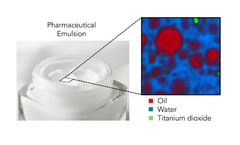
In medicine, emulsions can be used to increase the bioavailability of drug compounds that are insoluble in water, and they can cover the unpleasant taste of drugs that must be administered orally. ...
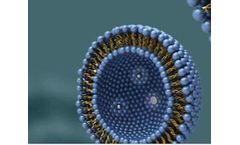
At the same time, due to the cationic properties of its surface, it can also form polyelectrolyte complexes with polyelectrolytes with anions on the surface. Nano-Drug Carrier of Chitosan Nano-drug carriers generally refer to drug carriers whose particle size is in the nanometer size (1-100 nm) ...
Challenges of Liposomes as Drug Delivery Vehicles l The cost of excipients and equipment required for liposome preparation is relatively high, resulting in the cost of liposomal formulations being higher than that of many other dosage forms. l Cationic liposomes may be highly toxic when high doses are required for treatment. l One drawback of liposomal formulations loaded with ...
Liposomes vary in size, composition and charge and can be used as carriers for a wide range of drug molecules, such as chemotherapeutic agents, antimicrobial and antiviral drugs, antiparasitic drugs, genetic material, vaccines, therapeutic proteins, and anti-inflammatory agents. ...

Cell-penetrating peptides (CPPs) are short peptides that facilitate cellular intake and uptake of molecules ranging from nano-size particles to small chemical compounds to large fragments of DNA. ...

Following the coronavirus emergency, surgeries and medical offices shall be reorganised to work safely. One of the first safety measure to adopt concerns suction of aerosol potentially infected. ...
ByAirsafe
It is a water-soluble white powdery polymer with a particle size of about 10nm in solution and can be stored at room temperature. ...
The purpose of formulation development is to ensure that the drug is safe, effective, stable, and convenient to use. If the dosage form is improperly selected and if the prescription and process design are unreasonable, it will have a certain impact on the quality of the drug product, and even affect the drug’s efficacy and safety. ...

The compatibility of the main drug and the excipients should be studied. When screening and researching drugs with new chemical structures, attention should be paid to the investigation of the interaction between the main drug and the excipients. The excipients should have stable properties with no physiological activity, no influence on the ...
The purpose of the stability testing is to investigate how the raw materials or pharmaceutical preparations will change over time under the influence of temperature, humidity, and light, so as to provide a scientific basis for the production, packaging, storage, and transportation conditions of the drug, and to establish the validity period of the drug through ...