
Biological Safety Articles & Analysis: Older
12 articles found

Compared with other carrier materials, PLGA nanocarriers have the following advantages: It is polymerized by glycolic acid and lactic acid, and the synthesis process is relatively mature; The nanoparticle size is controllable, uniform in size and small in dispersion; It can achieve long-term sustained release of carrier drugs (several weeks or months), reduce the frequency of medication, and ...

To optimize LNP and increase the yield to enhance the safety of mRNA vaccine, research teams from the New Jersey Institute of Technology and Shanghai Jiao Tong University designed an enzyme-catalyzed one-step method to synthesize ionizing cationic lipids. ...

Viral vector manufacturing During process development/optimization, the FDA mandates that overall product characterization under cGMP (current Good Manufacturing Practice) follows SISPQ (Safety, Identity, Strength/Potency, Purity, and Quality). l Safety: The product does not elicit unexpected side effects when used appropriately in the patient. ...

Host Cell Residual DNA (rcDNA) refers to fragments of DNA derived from host cells that may be present in biological products. These products must not contain foreign substances, particularly host DNA, to avoid immune rejection and potential threats to life safety. ...
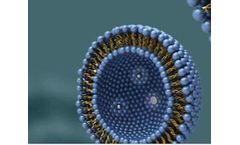
Chitosan has the same advantages as chitin in biocompatibility and biodegradability, and has unique biological properties, such as bioadhesion, high safety, antibacterial activity and antitumor activity. ...

In recent years, the increase in the number of multi-drug resistant pathogens and food safety have become serious global problems, and it is increasingly important to find or develop a new generation of antibacterial drugs or preservatives. Scientists have discovered that bacteria-produced bacteriocins can control clinically relevant susceptible and resistant bacteria, and purified bacteriocins ...

Ryan Pawell is the founder and CEO of Indee Labs, a Berkeley biotech. The mission of Indee Labs is to use microfluidic vortex shedding as a scalable method to deliver CRISPR reagents into cells for developing affordable cell and gene therapies in the future. In our previous blog post, we summarized the work from their latest publication on CRISPR-editing in T cells using microfluidic devices. In ...

MADISON, Wis.–(BUSINESS WIRE)–An international collaboration of virologists at the University of Wisconsin–Madison and the vaccine companies FluGen and Bharat Biotech has begun the development and testing of a unique vaccine against COVID-19 called CoroFlu. UW–Madison, FluGen, Bharat Biotech to develop CoroFlu, a coronavirus vaccineTweet this CoroFlu will build on the ...

As the complexity of advanced therapies continues to grow, more data is needed to establish a drug’s mode of action, efficacy, and long-term safety. It’s no wonder, then, that big data is fueling the drive for tomorrow’s therapies. ...
Furthermore, these findings raised serious concerns about the safety of biologicals produced using those cell lines. In response, new insect cell lines lacking adventitious viruses have been isolated for use as improved research tools and safer biological manufacturing platforms. ...

Abstract A major criticism of all-in-one workstations (sometimes known as incubated workstations or incubated glove boxes) over using traditional incubators and biosafety cabinets for cell culture is that the exposure to excessive vibration will affect cell growth and adhesion. Here we tested the cells’ capabilities to attach in a Baker Ruskinn SCI-tive hypoxia workstation as compared to a ...
ByBaker
Abstract Hypoxia workstations are utilized by researchers who require stable and accurate low oxygen environments for their research. Oxygen, carbon dioxide, temperature and humidity are precisely controlled within the work area of the workstation to simulate an in vivo environment and create optimal conditions for the experiment. Hypoxia workstations are closed glove boxes. They allow air from ...
ByBaker