
Blue Green Algae Articles & Analysis: Older
5 articles found
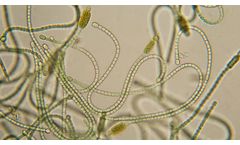
Cyanotoxins are toxic substances produced by cyanobacteria, or blue-green algae, which can proliferate in water bodies under conditions like high nutrient levels and warm temperatures. ...
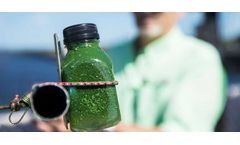
An innovative field study in Southwest Florida has identified several neurotoxins in the state’s air and water. The three forms of BMAA – beta-Methylamino-L-alanine – are associated with brain diseases. The study conducted by Calusa Waterkeeper volunteers and analysed by Wyoming’s Brain Chemistry Labs identified two forms of BMAA in every sample from 945 completed over ...

This article explains how ultrasound controls algae, including the five most common questions related to ultrasonic algae control. ...

Microcystins are toxic peptides secreted by certain waterblooms of toxic cyanobacteria. The most widely studied microcystin is microcystin‐LR (MC‐LR), which exhibits hepatotoxicity and neurotoxicity. However, limited information is available regarding the effects on offspring following maternal exposure. The present study is to observe the effects of progestational exposure to MC‐LR on ...

The global increase in detection of cyanobacteria and their metabolites has prompted greater emphasis in optimizing water treatment options for their effective removal. In particular, conventional coagulation and clarification processes have been shown to be effective in removing whole cyanobacterial cells, and consequently a majority of the metabolites. However, the resultant ...