
Refine by
Brain Disease Articles & Analysis: Older
19 articles found

In a separate study, LNDs were modified via glycosylation to cross the blood-brain barrier, suggesting a potential direction for treating brain diseases in the future. ...

Targeted Drug Delivery Targeted drug delivery systems aim to deliver drugs specifically to diseased cells or tissues while minimizing exposure to healthy cells. PEG derivatives play a crucial role in developing such systems, particularly in oncology. ...
Functional modulation or modification of PLGA nanoparticles is of great significance for the treatment and application of diseases, such as active targeted therapy of drugs or diagnosis of diseases. ...

Stroke, also known as transient ischemic attack or cerebrovascular accident, is an acute brain disease. Usually, a sudden rupture of a blood vessel in the brain or a blockage of a blood vessel that prevents blood from flowing to the brain can cause damage to brain tissue, resulting in a stroke. Long-term ...
The unique molecular structure enables it to have good tissue penetration, shorter half-life and higher renal clearance rate, and can penetrate the blood-brain barrier. Structurally, nanobodies are composed of complementarity-determining regions and framework regions. ...

Glioblastoma is a deadly brain cancer with a dire prognosis. Unlike most cancers, it still grows in the presence of the p53 protein. ...

To understand the significance of the SpinTech MRI STAGE software platform, it helps to begin by asking a question: Given that MRI is an incredibly powerful diagnostic tool for neurological diseases like Alzheimer’s, dementia, Parkinson’s and multiple sclerosis (MS), why have radiologists and neurologists had to choose between conducting faster MRI exams and obtaining ...

People living with frontotemporal dementia, or FTD, are commonly misdiagnosed with psychiatric disorders or Alzheimer’s disease and other causes of dementia, such as Parkinson’s disease and vascular dementia. While frontotemporal dementia and Alzheimer’s disease can both cause dementia, there are distinct differences in ...

Mapping the accessible genome in the mouse and human brain revealed the intricate arealization of brain regions. Applying spatial-ATAC-seq to tonsil tissue resolved the spatially distinct organization of immune cell types and states in lymphoid follicles and extrafollicular zones. ...

The three forms of BMAA – beta-Methylamino-L-alanine – are associated with brain diseases. The study conducted by Calusa Waterkeeper volunteers and analysed by Wyoming’s Brain Chemistry Labs identified two forms of BMAA in every sample from 945 completed over five months. Paul Cox, executive director of Brain ...
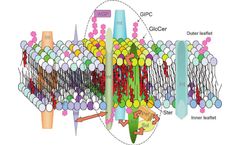
The most commonly known example refers to Gaucher's disease. When Gaucher's disease is present, fatty substances can accumulate in internal organs, the brain and bones. Another prominent disease is Fabry's disease, which causes fatigue and kidney failure. ...

In addition, in mice, a high-sugar diet can lead to cerebrovascular disease, impaired glucose uptake, and higher brain dysfunction associated with psychiatric disorders, and aspirin administration can prevent these high-sugar diet-induced abnormal behavioral phenotypes. ...

Introducing Beacon Biosignals: a neurotechnology company founded to develop machine learning-enabled EEG neurobiomarkers and accelerate precision medicine for any disease state affecting the brain Founded by MD/PhDs and engineers from Harvard and MIT, Beacon is propelled by the vision of a computing platform designed to scale the interrogation of large ...

Abnormal accumulation of misfolded tau in filaments is characteristic of many neurodegenerative diseases—precisely for this reason, these neurodegenerative diseases are collectively referred to as tauopathy. The Michel Goedert team and the Sjors Scheres team at the Molecular Biology Laboratory of the Medical Research Council in Cambridge, UK, witnessed the ...

Newton will be showcasing ni20, a dynamic spinout company from his Oxford team’s research, which is making life better for patients who suffer from debilitating brain diseases and disorders by restoring their abilities. Specifically, Dr. Howard and his team members from Oxford and MIT are developing a revolutionary brain-computer interface ...

Scientists at Cornell University developed a technique for imaging the brain of an adult zebrafish, with the goal of better understanding human brain disorders. ...

The same way as we know that severe diseases do not vanish during the pandemic, we also know that there will be a huge demand for treating these afterwards. ...

CWD (Chronic Wasting disease) is spreading in the United States. It is an infectious disease affecting deer and elk, leaving them ‘zombie like’, according to experts. ...

Factors contributing to autoimmune disease development. (2) The human body is the site of a flagrant yet silent invasion. ...