
Carcinogen Articles & Analysis: Older
23 articles found

They can activate procarcinogens into active carcinogens, playing a critical role in the development of cancer. On the other hand, CYP enzymes can also conjugate and detoxify potentially harmful substances, illustrating their dual role in protecting against and contributing to toxicity. ...

Key findings include: Cancer Prevention: Isothiocyanates, such as sulforaphane (derived from glucoraphanin), are potent inducers of detoxification enzymes that neutralize carcinogens. They also inhibit tumor growth and promote apoptosis in cancer cells. ...

l Short-term contact between medical devices and the human body can produce toxicity, irritation and local inflammation in cells and the whole body;l Long-term contact of medical devices with the human body may have mutagenic, teratogenic and carcinogenic effects;l Contact between medical devices and blood may cause abnormal coagulation function and hemolysis. ...

Unlike CT or conventional X-rays, there is no carcinogenic (ionizing) radiation involved. There are no known biological risks associated with exposure to magnetic fields of the strength used in clinical MRI’s. ...

Microbial Amplicon Sequencing Analysis of Microbial Populations The risk of lung cancer is known to be associated with exposure to cigarette smoke carcinogens and alterations in intestinal microbiota. However, the impact of NNK and BaP—two crucial components of cigarette smoke carcinogens—on the intestinal microbiota of lung cancer remains ...
Consequently, the risk of DNA infectivity may surpass the risk of carcinogenicity. Therefore, when developing biologics derived from continuous cell lines, assessing DNA infectivity is crucial to ensure the safety of residual DNA in host cells. ...

Fortunately, cells have an active cleanup mechanism to deal with these transcription errors, but if cells can't get rid of this garbage, these RNAs can accumulate and become carcinogens; in the article, the researchers point out that mutated CDK13 may be the reason why those abnormal RNAs cannot be cleaned up. ...
Although this waste is managed through channels other than household ones, its disposal was temporarily authorized through incinerators for household waste, with the consequent emission of carcinogenic compounds such as dioxins. On the other hand, this sanitary and pharmaceutical waste has also had a direct impact on river environments. ...

Thus, it provides many new ideas for the study of carcinogenic mechanism of gene mutation, targeted drug discovery, and clinical translation. ...

These cell lines were derived from SCCs from carcinogen-treated inbred mice which harbored germline deletions or mutations in Trp53, p19Arf, Atm, orPrkdc. ...
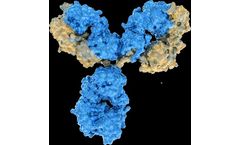
In summary, this study reveals the carcinogenic role and mechanism of glycoprotein PTGDS in DLBCL, highlighting the potential therapeutic value of AT56 in the treatment of DLBCL. ...

OSHA’s PEL for formaldehyde (0.75 ppm – 8-hour time-weighted average) does not reflect a level that considers its carcinogenicity. Due to legal challenges, OSHA has not been successful in reducing the PEL to where it would be considered a reasonably safe level in a working environment, such as a hospital or laboratory. A number of agencies throughout the ...
OSHA’s PEL for Formaldehyde (0.75 ppm – 8-hour time-weighted average) does not reflect a level that considers its carcinogenicity. Due to legal challenges, OSHA has not been successful in reducing the PEL to where it would be considered a reasonably safe level in a working environment, such as a hospital or laboratory. A number of agencies throughout the ...

This provision is part of an article dealing with the prohibition to use some substances classified as carcinogenic, mutagenic or toxic for reproduction (CMR substances). Additionally, the REACH Regulation (Article 138(7)) provides the Commission with the possibility to assess whether to include substances having endocrine disrupting properties as part of the prohibited ...

PAHs and their metabolites have carcinogenic and endocrine disrupting effects in human and wildlife, and can have serious consequences. ...

The definition of low-dose radiation therapy and the standardisation of its specification and therapeutic regimen are thus called for.Keywords: alternative treatments, superoxide dismutase, carcinogenic inhibitor p53, radiation hormesis, low-dose radiation therapy, low radiation, cancer ...
EPA has listed formaldehyde as a suspect human carcinogen (cancer causing substance). Animal studies have shown an increase in nasal cell cancer and some limited human studies have shown an increased incidence of nasal and lung cancers. ...
We suggest and outline a coordinated dose and dose-rate cellular dose response programme of measurements on both carcinogenic and normal human tissues related to low dose-rate brachytherapy.Keywords: low dose-rate brachytherapy, inverse dose-rate effect, IDRE, potential therapeutic gain, normal tissue complications, hyper-radiosensitivity, radiation induced radioresistance, low ...
Lack of target specificity, altered effects and diminished potency due to drug metabolism in the body, cytotoxicity of certain anti-carcinogenic pharmacological agents, are to mention a few. Biocompatible nanoparticles with optimised physical, chemical and biological properties can serve as effective drug delivery systems. ...

Clean Air Act (CAA) prescribes different regulatory programs for stationary and mobile sources of carcinogenic air pollutants. Many stationary sources (both existing and new) are subject to requirements to apply the Maximum Achievable Control Technology (MACT), and Section 112(f) requires the U.S. ...