
Gut Microbiota Articles & Analysis: Older
18 articles found

Research conducted on rats demonstrated that exposure to these chemicals led to myocardial injury, inflammation, and gut microbiota alterations. Endocrine-disrupting chemicals like bisphenol A (BPA) and phthalates, commonly found in plastics, are believed to contribute to these harmful effects. ...

The bioavailability and activity of glucosinolates in humans depend on factors such as food preparation methods, gut microbiota composition, and individual metabolic responses. This complexity highlights the importance of accurate glucosinolates analysis to better understand their physiological effects. ...

For instance, bacterial genome editing systems are being explored in the modification of gut microbiota. By selectively altering the bacterial composition within the gut, researchers can potentially prevent the development or progression of certain diseases, like obesity, cancer and mental health disorders, thus presenting a new frontier in ...
For instance, bacterial genome editing systems are being explored in the modification of gut microbiota. By selectively altering the bacterial composition within the gut, researchers can potentially prevent the development or progression of certain diseases, like obesity, cancer and mental health disorders, thus presenting a new frontier in ...
Furthermore, targeted therapies designed to modulate bile acid synthesis have shown promise in ameliorating BAD symptoms, offering hope for improved patient outcomes. The Gut Microbiota Influence Emerging research has unraveled the intricate interaction between bile acids and the gut microbiota. The gut ...

Moreover, 16S rRNA sequencing of the gut microbiota demonstrated alterations in the composition of fecal bacteria upon exposure to NNK and BaP. ...
Gut microbes are considered "virtual organs" that influence host health and are involved in disease research. The human gut microbiota has a large gene pool, encoding approximately 100-150 times more genes than the human genome, and contains a rich resource of enzymes with the ability to metabolize drugs. ...

These studies suggest that there may be untapped, high-performance molecular systems in the dolphin gut microbiota for plant fiber breakdown and utilization. In addition, it has been found that Fibrobacter and Bacteroidetes are the main degraders of dietary fiber in the intestine of dolphins. CAZyome analysis of dolphin gut microbes showed that ...

Recent macrogenome sequencing studies reveal that the gut microbiota is another key mediator of this tumor immune modulation site. It has been shown that the use of antibiotics prior to initiating ICI therapy decreases gut microbiota diversity in patients with advanced non-small cell lung cancer and will lead to poor treatment ...
The host impacts the composition of the gut microbiota, gene expression, and material metabolism through diet or ingestion of exogenous substances. The gut microbiota metabolizes diet and exogenous substances into metabolites. ...
An example of this is in determining microbial communities that contribute to soil enrichment in order to select the best soil type for agricultural application depending on the crop to be planted. rRNA gene amplicons show their potential in analyzing water quality by identifying dominant microbial groups present in the water at a particular time which can be used to detect contamination, such as ...
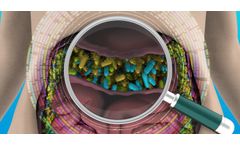
The gut microbiota of a healthy individual consists of six phyla (Firmicutes, Bacteroidetes, Proteobacteria, Actinobacteria, Clostridium, and Microflora verrucosa) containing more than 100 species of bacteria and about 200 different bacterial strains. However, 90% of the gut microbiota is predominantly composed of members of ...

The gut microbiota, which includes Akkermansia muciniphila, is known to modulate energy metabolism, glucose tolerance, immune system maturation and function in humans1,2,3,4. ...
Abstract Gut microbiota play a major role in host physiology and immunity. Inflammatory bowel diseases (IBDs), the important immune-related diseases, can occur through immune system malfunction originating due to dysregulation of the gut microbiota. ...
Changes in the gut microbiota, which affect the gut-liver axis, are also associated with the progression of chronic liver disease and advanced fibrosis, such as NAFLD and cirrhosis11,12,13,14,15. ...
Highlights The depletion of Roseburia is associated with alcohol consumption in human cohorts R. intestinalis ameliorates the experimental ALD in mice regardless of viability Flagellin from R. intestinalis protects on ethanol-disrupted gut barrier functions The ethanol-induced gut microbiota dysbiosis is restored by R. intestinalis ...
ABSTRACT Administration of probiotics has been linked to immune regulation and changes in gut microbiota composition, with effects on atopic dermatitis (AD). ...
Abstract Gut microbiota play an important role in immune responses and energy metabolism. ...