
Refine by
Infection Control Articles & Analysis: Older
52 articles found

At first glance, a cheaper drainage bag may seem like a smart move for a tight budget. But procurement teams know the real cost of a product goes far beyond the price on the invoice. When medical drainage bags fail to perform, the ripple effects show up in the form of surgical delays, patient dissatisfaction, and even infection risk. Discover the hidden costs of low-quality drainage ...

In surgical tissue recovery, focus is on controlling infection, managing inflammation, and ensuring wound closure. ...

In the field of medical device manufacturing, the materials used in creating life-saving equipment must meet the highest standards of safety, reliability, and performance. Among these materials, fluoropolymer tubing has emerged as a critical component, playing a crucial role in various medical devices. Whether it’s for intravenous (IV) systems, catheters, or diagnostic equipment, ...
What is biofilm? Biofilms are defined as communities of micro-organisms attached to a surface, or one another, and encased within a matrix of extracellular polymeric substance (EPS). The EPS makes up the largest component of the biofilm, and in the biological environment is generally composed of polysaccharides, proteins, glycolipids, blood products, cellular debris, extracellular enzymes, metal ...
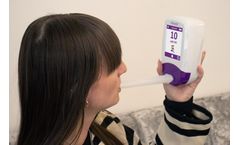
This also reduces emergency visits and hospital admissions related to poorly controlled asthma. Financial sustainability One of the ongoing challenges in primary care is maintaining financial sustainability. ...

A recent report has shown that an Ebola vaccine can halve the death rate among infected individuals, marking a significant milestone in the fight against this deadly virus. ...

This ability to inactivate microorganisms without being selective is an advantage to fight antibiotic resistant bacteria and has been used in infection control. Recently, photodynamic action has gained attention in water and wastewater treatment, inviting enhanced applications. ...

Present approaches to control virus infection are highly specific and mainly include preventive measures such as vaccination or treatment of acute infections with direct-acting antivirals. ...

Klebsiella pneumoniae is a significant causative agent of hospital- and community-acquired infections, presenting with various clinical manifestations. Notably, the rapid spread of carbapenem-resistant K. pneumoniae (CRKP) has become a global threat, leading to high morbidity and mortality rates. ...
In addition, C. auris is able to survive on surfaces for long periods of time, making it difficult to control the spread of infection, and is hard to kill with commonly used disinfectants. ...

Medical History A 55-year-old white male has degenerative arthritis of the knees. 10 months ago, the patient underwent total knee replacement on the left knee without complication. The surgical incisions had closed without signs of surgical site infection. At the time, he made a good recovery. He is fully functional and fully independent. Patient is a chain smoker with a wife and two children. He ...

Of particular concern is the increase in tuberculosis (TB), a highly contagious disease spread through the air when those infected cough, sneeze, or spit. According to statistics published by World Health Organization (WHO), 8.8 million active cases are diagnosed each year, and almost 2 million die. ...

It is in everyday situations that aerosol suction systems prove to be fundamental to keep spread of infection under control. Daily situations like vaccination: central stage in the fight against pandemic. As a fact, healthcare operators take the risk of exposure every day, but the same operators can also be vehicle of infection, since the virus ...
ByAirsafe

Rational's HSV vaccine candidates carry attenuating mutations in a critical viral gene that encodes a protein named "infected cell protein 0" (ICP0). ICP0 controls the balance of HSV latency and replication. ...

Background: Synthetic expanded polytetrafluorethylene (ePTFE) grafts are routinely used for vascular repair and reconstruction but prone to sustained bacterial infections. Investigational bioengineered human acellular vessels (HAVs) have shown clinical success and may confer lower susceptibility to infection. ...

Background: Disruption of the microbiome is key to the pathogenesis of recurrent Clostridioides difficile infection (CDI). Place bo-control led trials assessing microbiome therapeutics have demonstrated efficacy in recurrent CDI; hov/ever, long-term safety and efficacy data from rigorously conducted studies of microbiome therapies, including cumulative efficacy ...

The immune system’s memory (either from a previous infection or vaccination) quickly kicks-in to control viral replication before tissue damage can occur. ...

.: wound care / dressing technique, infection control practices and nutrition to handle their loved ones at home. ...

What is a Hospital Acquired Infection? A Hospital-Acquired Infection (HAI) (also know as a Healthcare-Associated Infection (HCAI) or nosocomial infection) is defined by WHO as ‘an infection acquired in hospital by a patient who was admitted for a reason other than that infection1‘. This includes ...

As a professor in infectious disease and microbiology, epidemiologist, and Medical Director of Infection Prevention and Control at Stanford Health Care, Dr. Lucy S. Tompkins was skeptical that a 0% blood culture contamination rate could be achieved, especially in a major academic medical center. ...