
Intestinal Cell Articles & Analysis: Older
27 articles found

Key parameters include: Cryoprotectant composition: Trehalose-based formulations demonstrate superior protection for cell-associated enzymes compared to sucrose-based alternatives, with 2.3-fold higher β-galactosidase retention. ...

Background of Caco-2 Cells Caco-2 cells are derived from human colorectal carcinoma and possess characteristics that mimic intestinal epithelial cells. ...
Types of In Vitro Permeability Assays Various methods are employed in in vitro permeability assays, each suited for different purposes: Caco-2 Cell Model: This assay uses human intestinal epithelial cells, which mimic the intestinal barrier. ...

· Food allergies vs food intolerances · Home breath testing devices & regulations Small Intestinal Bacterial Overgrowth (SIBO) What is it? SIBO occurs when there are higher numbers of bacteria in the small intestine. ...

Metabolism is usually divided into two categories: catabolism, which breaks down large molecules for energy (e.g., cellular respiration), and anabolism, which uses energy to synthesize components of the cell, such as glycogen, proteins, and nucleic acids. Metabolism plays a key role in the fields of physiology, cell biology and medicine. ...
After entering the blood circulation, short-chain fatty acids can affect the metabolism of many peripheral tissues such as liver, adipose tissue and skeletal muscle. Intestinal flora affects the hormone secretion that regulates intestinal endocrine cells Intestinal flora can regulate the development and function of ...
As ingested dietary fats make their way to the small intestine, they arrive as large, unwieldy fat droplets. Here, bile acids perform their first act: emulsification. ...
B-cell-derived cytokines regulate follicular DC and lymphatic activation, creating a regulatory feedback loop for T-cell-macrophage and T-cell-B-cell interactions. ...
Diamine oxidase (DAO) is an intracellular enzyme that catalyzes diamine in mucosal or ciliated epithelial cells of the mammalian small intestine. It protects the intestinal mucosa by regulating intracellular ion homeostasis, influencing conduction pathways, and promoting cellular repair. Serum DAO is elevated in small intestinal ...

Tumor Necrosis Factor Alpha (TNF-a) is a potent cytokine that is over-expressed by cells during chronic intestinal inflammation. Furthermore, TNF-a represents the most validated clinical target for ulcerative colitis (UC) and inflammatory bowel diseases (IBD) with multiple emerging neutralizing/inflammation-reducing therapeutics targeting this cytokine for ...

Created for parents, by parents. No parent expects the news. So when you receive the news of a Short Bowel Syndrome diagnosis, it’s only fair that it’s a little overwhelming. Your picture of what the future of your family looks like begins to shift, and you have to shift with it. Let’s start off by saying, you’re not alone. There are parents, caregivers and family ...
Lactase is a disaccharidase present on the surface of mammalian small intestinal mucosal microvilli, and many beneficial intestinal bacteria have the ability to produce lactase. ...
When we talk about intestinal bacteria or dietary fiber, we often hear about "short-chain fatty acids". ...
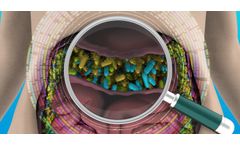
The large intestine is composed of intestinal epithelial cells (IECs), which form an intestinal barrier between the microbiota in the intestinal lumen and surrounding tissues. ...
Caco-2 cells are the most commonly used in vitro intestinal model and have become industry standard. ...
Probiotics are beneficial to the health of the host, and can help inhibit intestinal pathogens, reduce lactose intolerance, and improve constipation. ...
Advanced microphysiological systems can replicate aspects of intestinal complexity, such as epithelium self-renewal by stem cells in in vitro crypts or the interactions of microbes and intestinal epithelium mediated by a mucus layer. ...
Caco-2 cells have historically not been reproducible across research labs, generally represent a single differentiated intestinal absorptive cell, and are derived from a non-healthy, colonic cell type. Caco-2 cells do not accurately reflect the physiology of small intestinal epithelial ...
Human intestinal stem cells, by contrast, are already epigenetically modified to limit them to a range of differentiated types but are then free to form the appropriate diversity of intestinal epithelial cell types. As such, the Altis system uses primary human stem cells to generate a platform that mimics real ...
The RepliGut® platform produces a polarized monolayer of human intestinal stem and differentiated cells — either of the large or small intestine — that can be used for modeling diseases or screening compounds for effects on the intestine. ...