
Intestinal Disease Articles & Analysis: Older
19 articles found

These results suggest that oral delivery of mRNA-loaded LNP is a viable strategy for treating gastrointestinal diseases by reestablishing the intestinal microenvironment. 2) Inhalation is also a preferred route of administration. ...
Osteoporosis is a type of disease that is difficult to cure. According to the etiology, it can be divided into primary osteoporosis, secondary osteoporosis and idiopathic osteoporosis. ...

Microbial Amplicon Sequencing Analysis of Microbial Populations The risk of lung cancer is known to be associated with exposure to cigarette smoke carcinogens and alterations in intestinal microbiota. However, the impact of NNK and BaP—two crucial components of cigarette smoke carcinogens—on the intestinal microbiota of lung cancer remains ...
Many research results show that intestinal microorganisms are directly related to the pathogenesis of various diseases, such as cancer, obesity and neurodegenerative diseases. Main research directions of intestinal microorganisms at present are as follow: i. Differences in intestinal flora between ...

Serum DAO is elevated in small intestinal mucosal barrier failure or in intestinal mucosal cell necrosis; therefore, DAO activity in blood can reflect the state of intestinal injury. ...

As a parent, you want and hope the best for your children. When your child is diagnosed with a severe condition such as Short Bowel Syndrome, you can feel as if your world has turned upside down. Managing their disease and helping your child lead a better life becomes your top priority. For any parent, the first step in supporting your child is to better understand their disease and the ...
Created for parents, by parents. No parent expects the news. So when you receive the news of a Short Bowel Syndrome diagnosis, it’s only fair that it’s a little overwhelming. Your picture of what the future of your family looks like begins to shift, and you have to shift with it. Let’s start off by saying, you’re not alone. There are parents, caregivers and family ...

In addition to the advantages of conventional non-target exploratory analysis, metabolomics can also detect specific metabolites related to intestinal bacteria, clearly reflecting the functional change of intestinal flora under specific conditions. Combined with the sequencing analysis technology of intestinal bacteria, a key strategy for ...

The authors report that STAT1KO mice spontaneously develop inflammatory diseases characterized by bone marrow hyperplasia and splenic accumulation of hematopoietic stem cells. In addition, these animals developed inflammatory bowel disease. Analysis of intestinal bacteria revealed severe dysbiosis in the absence of potent IFN signaling, which ...
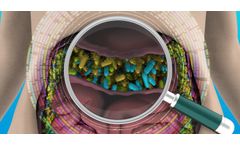
Their relative population size is dynamic, depending on the state of the body (inflammatory bowel disease, diabetes, etc.). The intestinal microecosystem is rich in various compounds secreted by the host, such as glycoproteins, saliva, gastric juice, bile salts and mucus, and consumes about 1.5 kg of amino acids, short-chain fatty acids and dietary fiber from ...

Both current in vitro and in vivo models used in the development of candidate therapies for the treatment of intestinal diseases have severe limitations. RepliGut®, an in vitro human intestinal epithelial stem cell model, addresses many of these issues and has significant potential to reduce the time and cost of drug development. ...
Key questions in intestinal health and disease require an understanding of how changes in intestinal niches cause, perpetuate, or allow recovery from injury. ...
Intestinal inflammatory diseases are highly complex, which has thus far prevented development of an effective in vitro disease model. ...
As such, the Altis system uses primary human stem cells to generate a platform that mimics real human intestinal biology far more accurately than models using iPSCs. Unpacking the Complexity of In VitroIntestinal Models Most human diseases involve a combination of effects from multiple environmental factors and multiple genes. ...
The RepliGut® platform produces a polarized monolayer of human intestinal stem and differentiated cells — either of the large or small intestine — that can be used for modeling diseases or screening compounds for effects on the intestine. ...
The microbiome has been shown to play roles in many different disease processes and is implicated in many more, from infectious and gastrointestinal diseases to autoimmune and neurological disorders. ...

Nonalcoholic fatty liver disease (NAFLD) is associated with obesity but also found in non-obese individuals. ...
Microbial dysbiosis, which is an imbalance of the microbial community, can contribute to the development of numerous diseases.18 Dysbiosis of gut microbiota is a driver of the development of autoimmune diseases such as AD. Probiotics, also referred to as live biotherapeutic products (LBPs), are live microorganisms that can confer beneficial health effects on the ...

Rhythmic signals of the stomach, small intestine, and colon could be identified in all three subjects. Patients showed gradual increase in myoelectric intestinal and colonic activity leading up to the first recorded bowel movement. Conclusion: Measuring myoelectric intestinal activity continuously using a wireless patch system is feasible in a ...