
Intestinal Tissue Articles & Analysis: Older
9 articles found

In sepsis, a life-threatening condition characterized by systemic inflammation in response to infection, TREM1 expression is markedly upregulated, contributing to the overwhelming cytokine release and tissue damage observed in septic patients. This accentuates the potential of TREM1 as a biomarker for sepsis diagnosis and prognosis, as well as a therapeutic target for modulating ...

The intestinal microbes are able to regulate dietary lipid composition, digestion and absorption and may alter the formation of intestinal lipoproteins. ...
Obesity is caused by excessive expansion of white adipose tissue. When nutrient intake is excessive, adipose tissue expands through either adipocyte hypertrophy or hyperplasia. Among them, adipocyte hyperplasia can effectively avoid pathological adipose tissue remodeling, thus maintaining the normal metabolic function of adipose ...

Heparin is a naturally occurring polysaccharide which contains a highly sulfated glycosaminoglycan framework. It is found in animal tissues in form of heparin sulphate. Unfractionated heparins are usually isolated from natural tissues such as pig intestine or bovine lung, with an average molecular weight of about 15 kDa and a high degree of ...
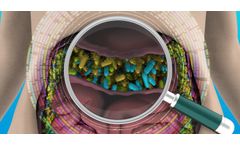
The large intestine is composed of intestinal epithelial cells (IECs), which form an intestinal barrier between the microbiota in the intestinal lumen and surrounding tissues. ...

Differences in intestinal physiology may cause differences between UC and CD, as the different regions within the small intestine and colon, as well as differences in the two tissues themselves, are vast. ...
Gene-Editing Opportunities for RepliGut® Models Altis Biosystems has developed RepliGut®, a next-generation commercial intestinal tissue model platform for in vitro testing during drug development and for basic science applications. ...

In addition, the researchers in the study want to look for markers also in faeces / intestinal flora and tissues. The goal is to develop a safe test that consists of either a blood sample or a combination of several types of samples. ...
ByBio-Me

Significant difficulties remain for determining whether human noroviruses (hNoV) recovered from water, food, and environmental samples are infectious. Three-dimensional (3-D) tissue culture of human intestinal cells has shown promise in developing an infectivity assay, but reproducibility, even within a single laboratory, remains problematic. ...