
Refine by
Medical Implant Articles & Analysis: Older
37 articles found

Radiopaque marker bands play a pivotal role in enhancing medical imaging accuracy, especially in healthcare practices involving fluoroscopy and X-rays. ...
Furthermore, tantalum's resistance to corrosion is beneficial in medical applications. Tantalum is biocompatible and does not corrode when in contact with bodily fluids. This property makes it suitable for surgical implants and medical devices, ensuring longevity and biocompatibility in critical healthcare applications. ...
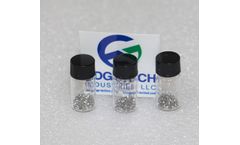
With the ability to customize according to specific requirements, companies producing wholesale marker bands have brought advancements that align closely with the evolving demands of the medical industry. https://www.edge-techind.com/category/Tantalum-Ta-20-1.htmlThe Role of Marker Bands in Personalized Medical Devices Personalized medicine has transformed how ...
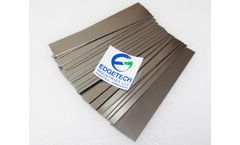
At Edgetech Industries, we specialize in supplying high-quality Nitinol sheets engineered for demanding industrial applications across aerospace, medical, and robotics fields. But what exactly is a Nitinol sheet, and why is it being adopted at such a rapid pace? ...
Precision and Accuracy: The Role of Platinum Iridium Marker Bands in Medical Procedures" Precision and accuracy are crucial aspects in medical procedures such as radiation therapy. ...
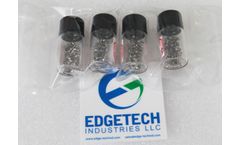
These small yet essential components ensure visibility, precise positioning, and contribute to the success of medical implants and device placement procedures. Tantalum is a biocompatible metal with excellent radiopacity, making it an ideal material for medical marker bands. The benefits of using tantalum radiopaque marker bands are numerous ...

Research Hotspots in Hydroxyapatite l Biomedical Applications Hydroxyapatite's compatibility with the human body has made it a staple in medical applications. It is widely used in bone grafts, dental implants, and coatings for orthopedic devices. ...
ByMatexcel
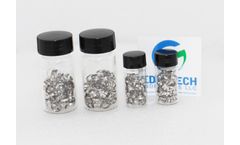
Precision and Accuracy: The Role of Platinum Iridium Marker Bands in Medical Procedures" Precision and accuracy are crucial aspects in medical procedures such as radiation therapy. ...
Polyaryletherketones (PAEKs) These include PEEK, PEK, and PEKK, all known for their strength, heat resistance, and ability to maintain performance under stress. PAEKs are used in medical implants, aerospace components, and high-performance industrial parts. 4. ...

This growth is propelled by their extensive use in sectors such as construction, automotive, electronics, medical, and personal care. Key Drivers of Silicone Market Growth Construction Industry: The demand for silicone in the construction industry is rising due to its application in sealants, adhesives, and coatings. ...

It offers good printability, high strength, and biocompatibility, making it suitable for medical devices, prosthetics, and anatomical models. What is Metal 3D Printing Materials? ...
In biomedical engineering, hydrophobic polymers are used in the development of medical devices, implants, and drug delivery systems. Their water-repellent properties help prevent bacterial adhesion, ensuring the safety and efficacy of these devices. ...
What makes Nitinol even more fascinating is its ability to "remember" its shape, which can be programmed and modified for endless applications ranging from medical implants to aerospace engineering. Without a doubt, Nitinol is a game-changer in the world of materials science, paving the way for innovations beyond our wildest imaginations. ...

Maintaining sterile storage conditions is necessary to protect medical instruments, drugs, surgical implants, and other equipment from contaminants. ...
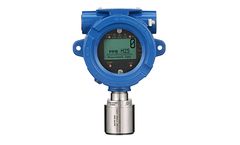
Medical Device Sterilization Sterilization is to thoroughly clean and disinfect medical and surgical devices in order to prevent infection by killing any microorganisms (i.e., bacteria, viruses, or fungi) that might otherwise be present in the devices, and that could pose significant risks to patients. ...

These devices may be categorised by their intended use and range from simple non-invasive items to fully implantable devices. The Medical Device Directive 93/42/EEC (MDD) is a regulation that sets out the essential requirements that medical devices must meet before they can be placed on the market. In this article, we will explore the importance ...
The first innovation in ACL surgery in several decades is bridge-enhanced ACL restoration with the BEAR® Implant. What is the BEAR Implant? The BEAR Implant is the first medical advancement to enable your body to heal its own torn ACL. ...

Improper system implantation could result in serious injury or death. Do not use diathermy therapy including shortwave, microwave, or therapeutic ultrasound diathermy on patients implanted with the system. ...
ByCVRx
The BEAR Implant is the first medical advancement to enable your body to heal its own torn anterior cruciate ligament (ACL). That’s a big deal, because until now your ACL would have been replaced with either another tendon from your body or a tendon from a deceased donor. The BEAR Implant is different because it works with your own blood to ...
The BEAR Implant is the first medical advancement to enable your body to heal its own torn anterior cruciate ligament (ACL). That’s a big deal, because until now your ACL would have been replaced with either another tendon from your body or a tendon from a deceased donor. The BEAR Implant is different because it works with your own blood to ...