
Refine by
Nerve Cell Articles & Analysis: Older
17 articles found

Human brain has approximately 171 billion cells, of which slightly more than half (approximately 86 billion) are nerve cells. These 86 billion nerve cells are a diverse cell population with hundreds of specialized types and functions, but all originate from three neural cell ...

Tau protein is a microtubule-associated protein, mainly present in nerve cells, and participates in the stabilization of microtubules. In certain neurodegenerative diseases, such as Alzheimer's disease (AD), Tau protein may undergo abnormal phosphorylation and aggregation, forming so-called Tau tangles or neurofibrillary tangles.Ubiquitination is a kind of ...
Pluripotent stem cells — cells with the ability to differentiate into nearly any cell type in the body, constituting a significant potential for regenerative medicine. Among these, induced Pluripotent Stem Cells (iPSCs), in particular, have garnered substantial interest from the scientific community due to their ability to ...
Human brain has approximately 171 billion cells, of which slightly more than half (approximately 86 billion) are nerve cells. These 86 billion nerve cells are a diverse cell population with hundreds of specialized types and functions, but all originate from three neural cell ...

Amyotrophic lateral sclerosis (ALS): ALS affects nerve cells in the brain and spinal cord which causes loss of muscle control. ...

Disambiguation The process of stimulating the Vagus Nerve with micropulses of electrical current is referred to in a number of different ways. Vagus Nerve Stimulation (VNS) - Typically refers to stimulation of the nerve with a surgically implanted device and electrode. Non-invasive Vagus Nerve Stimulation (tVNS, taVNS, nVNS, LLTS) - Refers to stimulation of the vagus nerve without ...

Created for parents, by parents. No parent expects the news. So when you receive the news of a Short Bowel Syndrome diagnosis, it’s only fair that it’s a little overwhelming. Your picture of what the future of your family looks like begins to shift, and you have to shift with it. Let’s start off by saying, you’re not alone. There are parents, caregivers and family ...
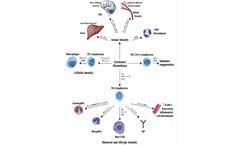
For example, IL-2 is produced by activated T cells and can enhance the growth and proliferation of T cells themselves; IL-12 can be produced by dendritic cells, B cells, and monocytes-macrophages and can induce the directed differentiation of T cells into type 1 helper T cells. ...
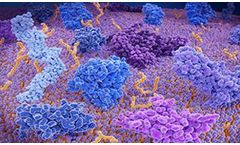
At present, tens of thousands of peptides have been identified in living organisms, and most of them are physiologically active in various fields such as hormones, nerves, cell growth and reproduction. Advantages and disadvantages of peptide drugs Compared with chemical drugs, peptide drugs are more efficient, safer, and more tolerable. ...

When tested on mice, their compound, KLS-13019, demonstrated both prevention and reversal of chemotherapy-induced peripheral neuropathy (CIPN), a common side effect of certain cancer treatments that damage peripheral nerves, which carry sensory information to the arms, legs, and brain. ...

Cranial Electrotherapy Stimulation (CES) employs a cell phone-sized gadget to stimulate the skull and brain with a current that the consumer cannot generally feel (below four milliamps). There have been no significant adverse effects recorded. CES machine is a Class III device approved by the FDA for the treatment of depression, anxiety, and sleep problems. Instruct patient to Cialis to avoid ...

An adult human brain contains approximately 86 billion neurons, along with about 85 billion non-neuronal cells. All those cells work together to manage motor control, sensory perception, heart rate, breathing, and more. ...
The compounds we’re developing protect the nerve cells from clinically relevant toxins.” In developing KLS-13019, the compound lost its anti-convulsant properties, but dramatically increased the pharmacological focus in the nervous system. ...

The pod is a new addition to Centre of the Cell – an award-winning science education centre helping to inspire local school children to pursue careers in the sciences, and engaging the local community with medical research. ...

Introduction The classical field of neuroscience entails biological or psychological investigation of the nervous system, including the brain, spinal cord and the systemic network of sensory nerve cells called neurons.1 Traditionally, this field comprised of purely biological studies but has since flourished into an interdisciplinary sphere addressing the ...

When we hear a sound, its because our brain has received a nerve impulse from the nerve cells in the Inner Ear, which consist of a bone, called the Cochlea because it resembles a snail shell. These cells have long “hairs” that project into fluid inside the cochlea. ...

The human fetal cell lines used in this study included myocardial cells, nerve cells, fibroblasts, hepatocytes and renal tubular epithelial cells. The cells were seeded in wells at a density of 2 x 10⁶ cells/2mL, sodium azide was added at a concentration of 0.01 ng/mL to 10 ...