
Physiological Mechanism Articles & Analysis: Older
12 articles found

In an in vivo setting, these processes are influenced by physiological factors such as age, genetics, organ function, and the presence of disease. ...

Precision-Cut Lung Slices (PCLS) have emerged as a innovative ex vivo model that allows researchers to explore deep into lung physiology, disease mechanisms, and pharmacological responses. By offering a unique combination of biological complexity and controlled experimental conditions, PCLS serve as a critical bridge between the limitations of traditional in ...

Observing such differential expression is crucial for understanding cellular physiology and disease mechanisms. For example, some proteins may be upregulated or downregulated in health and disease states, or between normal and treated cells.Detection MethodsThe most commonly used technique is mass spectrometry, particularly liquid chromatography-tandem mass ...

By studying the protein interaction network, it reveals the molecular mechanisms of various physiological and pathological processes in cells, providing new ideas for disease diagnosis and treatment. ...

Introduction Cellular mechanisms driving cell death play a crucial role in various physiological and pathological processes. One such mechanism is apoptosis, a tightly regulated process vital for maintaining tissue homeostasis, development, and immune response. ...

The heart’s circulatory system and coronary flow regulation are highly adapted to the vital role of the heart in sustaining life and to everyday physiological challenges. Understanding coronary physiology is key for treating patients with ischemic heart disease in general, and patients with acute ST elevation myocardial infarction (STEMI) specifically. ...
COPII mediates the transport of membrane proteins and soluble proteins from the endoplasmic reticulum to the Golgi apparatus, and abnormal function of COPII inhibits protein secretion and has effects on cell differentiation and homeostasis, and many studies have shown a link between COPII components and human diseases, such as Sec31 mutations leading to severe neurological syndromes. However, the ...

With the current in vivo animal models, it is difficult to determine the mechanism of action of physiologic responses that translate to human medicine, as there are too many variables that can confound a researcher’s ability to draw definitive conclusions. Physiologic Relevance of Immortalized Cell Lines One alternative to in vivo animal ...

Each of these equations focuses on key assumptions of how compound physicochemical properties and specific physiological parameters interact to present themselves in this organ-specific equilibrium constant. ...

The synergistic actions of LUM-201 on the physiological mechanisms regulating GH release explain why GH responses are greater in response to LUM-201 compared to traditional tests used to diagnose ...
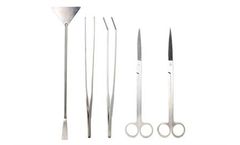
Physiological Injury of Aquatic Plants 1. Insufficient Light During the growth, due to insufficient light, the photosynthetic intensity of aquatic plants will be reduced, the normal growth and development will also be affected. ...

Heterosis in maize (Zea mays L.) confers stress tolerance. To better understand the physiological mechanisms underlying the differential response of a maize hybrid (CG60 x MBS1236) and its parental inbred lines to shading stress, studies were conducted in a field hydroponic system in Ontario, Canada, from 2004 to 2006. ...