
Skin Aging Articles & Analysis: Older
18 articles found

Human dermal fibroblasts-neonate (HDF-n) are specialized cells derived from the dermis layer of neonatal human skin. These fibroblasts play a crucial role in skin structure, function, and repair. ...
Collagen is a crucial structural protein, widely presenting in human skin, bones, tendons, ligaments, and other tissues. It's essential for maintaining the structural integrity and function of tissues. The measurement of collagen can help researchers and physicians understand the pathological process of related diseases (such as osteoporosis, arthritis, skin ...

Regular consumption of natural lipids can improve memory, focus, and overall brain health. Enhancing Skin HealthNatural lipids are also beneficial for maintaining healthy skin. ...
ByMatexcel

Overactive elastase can cause excessive breakdown of elastin, leading to diseases such as emphysema, where the alveoli in the lungs lose their elasticity, and various skin disorders marked by premature aging or loss of elasticity. Elastase in Pathological Conditions One of the most well-studied conditions involving elastase is emphysema, a form of chronic ...

Tetrahydrocurcumin (CAS No. 36062-04-1): Antioxidant and Skin-Whitening Powerhouse Huateng Pharma introduces Tetrahydrocurcumin, a versatile ingredient with CAS No. 36062-04-1, renowned for its antioxidant properties and skin-whitening capabilities. This natural compound is poised to revolutionize cosmetic formulations, providing effective and safe solutions for ...
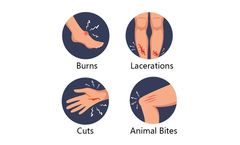
Introduction Nursing the wounds is something we all need to think about, whether it's dealing with a little cut from a DIY project at home, a tumble outdoors, or a surgical procedure. And as the body get age, the skin wounds become more frequent. It's time to understand the advantage wound care for for optimal healing. ...

Essential oils help create a natural and comfortable atmosphere, refresh our skin, and give us a different experience. Glass essential oil dropper bottles are for use on all skin types and are especially beneficial for mature, dry, hardened or sensitive skin. They can delay aging, whiten and hydrate, moisturize and soften ...

Moisturizers Moisturizers are paramount in keeping our skin hydrated and preventing dryness. They work by creating a protective barrier on the skin's surface, reducing water loss and sealing in moisture. ...

Nuritas announces the discovery of a new ingredient: PeptiYouth, the first nature-identical peptide discovered by AI that helps restore the extracellular matrix and addresses five key signs of aging. PeptiYouth succeeds in creating synergy with retinol and vitamin C, demonstrating that it is possible to improve skin care formulas. ...
PeptiYouth delivers clinically proven efficacy on five critical signs of aging, making it a valuable addition to any skin care routine – deep wrinkles, dull skin, skin pores, dark spots and uneven skin tone. ...

The advantages of these devices are enormous: from anti-age, recovery, improvement in skin texture and brain activity enhance, OxyHelp Chambers only do so much. ...

Several sulfated structures of heparin, a glycosaminoglycan found in the liver, skin and lung, can be found in different types of organisms from the most primitive to humans. ...
Type I collagen is mainly distributed in tissues such as skin and tendon, and it is also a protein with a high content of aquatic product processing waste (skin, bone and scale). ...

You want to look at the essential fatty acid (EFAs) composition of your ingredient, or combination of ingredients. When you have dry skin or cracked skin, it is a manifestation of a dehydrated or even broken skin barrier. The skin barrier is comprised of the following EFAs: Linoleic acid (LA), also known as omega-6 fatty ...

Having a shorter wavelength than blue light, UV light has more energy and causes more harm, including burning the skin. Blue light, however, can penetrate through the anterior structures of the human eye. ...
Aloe Vera Aloe vera can do more for you than calm skin after a sunburn. It is a nutrient packed ingredient that is ideal for sensitive anti-aging skin. ...

It can freely enter and exit the body cells, remove aging and toxic free radicals. After drinking, it enters human body tissues and diffuses to act on all organ line particles and nucleus. ...

Who amongst us wouldn't turn back the clock if we could - especially when it comes to our skin? It turns out: You now can... in a manner of speaking. Red light is a healing strategy that has been proven in scientific studies and product tests to stimulate production of collagen, which improves the appearance of skin, making you look years younger. Repeated tests ...