
Soybean Articles & Analysis: Older
20 articles found

ALLERGENS THAT CAN BE ANALYZED: Vegetable allergens Cereals containing gluten Soybeans and products thereof Celery and products thereof Lupin and products thereof Mustard and products thereof Sesame seeds and products thereof Peanuts and products thereof Nuts (e.g. almonds, pistachio nuts, hazelnut, walnut, brazil nuts, cashews, pecan nuts, macadamia or Queensland nuts) Animal ...

Polyphenols from rose, large-leaf yellow tea, and black soybean anthocyanins can reduce glucose production in the body by inhibiting the activity of α-glucosidase and α-amylase. ...
The substrates of fermentation utilized in cosmetics industry include rice, soybeans, milk, and fruits. The substrates are used by microorganisms like yeast, bacteria, and fungi for metabolism or biosynthesis to create beneficial compounds that served as the fermented raw materials for cosmetic skincare product.Here are a few examples of fermentation-generated compounds that are ...

With SNPs as predictors, important agronomic traits such as grain yield, grain moisture, grain quality, biomass traits, and stem and root collapse can be predicted with reasonable accuracy Advances in pan-genome assembly technologies The reduced cost of Illumina sequencing and improvements in assembly algorithms have facilitated the use of low-cost short-read data (e.g., maize genome, rice ...

The required outcome is not high. There are corn, soybean dish, and so on at home, so if you intend to make full use these resources to prepare homemade fish feed. ...

The other is the ω-6 series of linoleic acid, which is mainly found in soybean oil, corn oil and sunflower oil. Lipogenesis Lipogenesis is the process by which adipose precursor cells specialize into adipocyte lineages (i.e., preadipocytes), accumulate nutrients and differentiate into mature adipocytes, which is the basis of adipocyte proliferation. ...
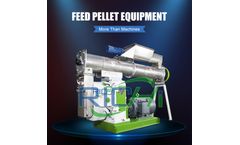
The RICHI chicken feed pellet maker uses corn, soybean meal, straw, rice husk, lawn and also other organic matter as resources to directly squash and refine to create pellets ideal for chickens. ...
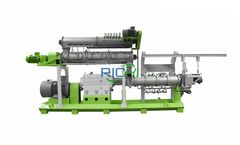
It is a feed processing equipment that utilizes corn, soybean dish, straw, turf, rice husk, and so on as basic materials, as well as directly presses the raw products right into pellets after crushing the raw products. ...
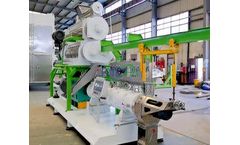
Refine of floating fish feed making device Crushing of resources → prep work of raw materials (corn meal, soybean meal meal, starch, fish meal, and so on) → mixer → conveying line → twin-screw feed extruder → sharing → drying tools ( electrical stove, gas fuel stove or vapor stove) → oil shot → Dual barrel spices system → air ...
The human body is unable to produce them and must obtain them from food. Soy isoflavones in soybeans, lycopene in tomatoes, catechins in green tea, carotenoids in carrots, zeaxanthin, polyphenols, etc., are all phytochemicals. ...
The polyunsaturated fatty acid content is an important basis for evaluating the nutritional level of edible oils. Soybean oil, corn oil and sunflower oil have high levels of the ω-6 family of unsaturated fatty acids. ...

The comedogenic scale is a “measure” of how ingredients found in common skin care products will impact your pores. This scale is particularly useful when looking at products that you will apply to heal dry skin patches on your face. The scale is fairly simple to use and is broken down into a 6-level rating from 0 to 5. Rating of 0 - Does not clog pores. Rating of 1 – Low ...

Common flavonoids include propolis, soybean isoflavones, anthocyanins, tea polyphenols, etc. (3) Polysaccharides have the functions of lowering serum cholesterol, anti-cancer, and regulating immunity, such as Ganoderma lucidum polysaccharide, lentinan, algae polysaccharide and so ...

An IgE-specific linear peptide microarray with random phage peptide display for the high-resolution mapping of IgE-binding epitopes of the major soybean allergen Gly m 4, which is a homologue to the birch pollen allergen Bet v 1 is combined. ...

We prepared and studied the properties of biodegradable materials containing the serine protease inhibitors, soybean trypsin inhibitor (abbreviate STI) and watermelon (Citrullus vulgaris) trypsin inhibitor (abbreviate CVTI). Properties of bioactive compounds bound to the above mentioned polymers (proteolytic activity, porous structure, and increased hydrophilicity) account for ...

Recently, an easily measured trait, the epidermal conductance of dark-adapted leaves (gdark), was shown to be predictive of whole-plant WUE in soybean [Glycine max (L.) Merr.]. Here, a greenhouse experiment was conducted using 22 cotton race stocks, converted lines, and commercial varieties to determine if the relationship between WUE and gdark previously observed in ...
Soybean mosaic virus (SMV) is the causal agent of a commonly occurring disease of soybean [Glycine max (L.) ...
From the 1950s until being banned in 1975, millions of pounds of technical chlordane were applied to agricultural soil mainly for crops like corn, soybeans, and vegetables. Chlordane compounds are still found in food especially in meat and dairy fats and to a lesser extent grains and vegetables grown in treated soils. ...
This study was undertaken to investigate whether chitosan treatments of sprouts of three soybean [Glycine max (L.) Merr.] cultivars (OAC Champion, AC Orford, and AC Proteina) can increase not only concentration of isoflavones in sprouts but also the transcript levels of genes and their subfamilies encoding enzymes at key points of the phenylpropanoid pathway (phenylalanine ...
This project will involve a study of biodiesel production using the conventional raw materials such as Jatropha, in recognition of Partner Country concerns over the need for a stable supply of rapeseed and soybean oils for conventional biodiesel. This project will seek to address the gap in infrastructure for biodiesel use and distribution existing among the Partner countries. ...