
Refine by
Testing Bacterial Articles & Analysis: Older
9 articles found

Fluorescent Microspheres for Bacteria Detection Traditional bacterial detection (such as microdilution or E-test) takes a long time, so it is necessary to develop a method that can detect multiple bacteria quickly and efficiently. ...

Currently, the incidence of infectious diseases has increased globally, and the pathogens show a trend of diversification and complexity. Rapid and accurate pathogenic diagnosis, which enables early selection of sensitive anti-infective drugs or effective and targeted preventive and control measures, is the core of accurate prevention and treatment of infectious diseases. The epidemic of ...

Slide staining can be tedious, and guarantee the same standards in quality from the first to the last slide is challenging. To solve this, the automatization of the process can be a solution. However, slide stainers for hematology can be expensive and tricky to use. The haemato-pathologist should ensure a good quality smear, thorough examination, and proper interpretation in line with ...
ByIUL S.A.
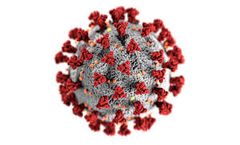
After extensive research and numerous tests, the air purifier has proven to be 99% filtration efficient. This means that it also captures and removes the virus particles in the air. ...

All starting materials should have minimal microbiological contamination. Your contamination control strategy should document the quality of the materials in terms of microbiological monitoring or other requirements. The bioburden assay should be performed for each batch for both aseptically-filled products and terminally-sterilized products. Use the results as part of the final batch review. ...

We used chemical reduction for preparation of nano–silver particles by mixing with 10% alginate gel to form nano–silver particles alginate colloid for the coating on alginate fibre dressing. By inhibition zone test, MTT assay and anti–bacterial test in SD rat, nano–Ag–Alginate dressings were tested about bacteriostasis and ...

Fluorescence in situ hybridization (FISH) with rRNA-targeted oligonucleotide probes is a method that is widely used to detect and quantify microorganisms in environmental samples and medical specimens by fluorescence microscopy. Difficulties with FISH arise if the rRNA content of the probe target organisms is low, causing dim fluorescence signals that are not detectable against the background ...
Bacterial vaginosis (BV) is a common syndrome associated with numerous adverse health outcomes in women. Despite its medical importance, the etiology and microbial ecology of BV remain poorly understood. We used broad-range PCR to census the community structure of the healthy and BV-affected vaginal microbial ecosystems and synthesized current publicly available bacterial 16S rRNA gene sequence ...

Abstract: The toxicity of 27 samples of effluents of three pharmaceutical plants located in Belgium, has been determined with the aid of a battery of tests. Besides conventional bioassays representative for three different trophic levels (microalgae withSelenastrum capricornutum, acute crustacean test withDaphnia magna, acute fish test withBrachydanio rerio), cost-effective acute bioassays have ...