


- Home
- Companies
- Sciton, Inc.
- Articles
- Modular vs. Single-Device Laser ...
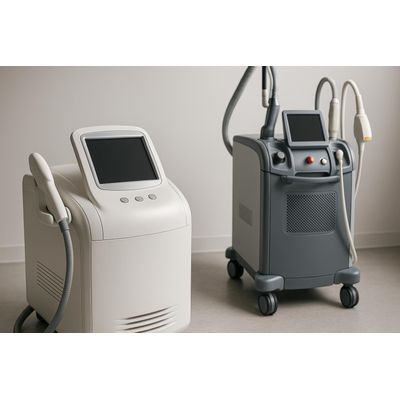
Modular vs. Single-Device Laser Platforms: A Practice Guide
When selecting aesthetic laser technology, practices face a core decision on platform architecture: modular systems that evolve with needs versus single-device platforms built for a single purpose. Each model affects clinical flexibility, capital planning, training workflows, and long-term competitiveness. This guide outlines the differences, advantages, and practical considerations to align technology with practice goals.
Understanding Platform Architecture
Key differences between modular and single-device platforms influence treatment offerings, growth strategies, and patient demand alignment.
- Core design: Modular platforms rely on a central workstation with interchangeable modules; single-device platforms are purpose-built for a single modality.
- Treatment range: Modular platforms support multiple modalities such as resurfacing, phototherapy, vascular treatments, hair removal, and other applications; single-device platforms focus on one primary treatment category.
- Upgrade path: Modular platforms add new modules over time; single-device platforms typically require a new device purchase for new modalities.
- Infrastructure: Modular platforms consolidate capabilities on one platform; single-device platforms operate as separate devices for each treatment.
- Typical use case: Modular platforms suit multi-service practices; single-device platforms suit specialized or high-volume centers.
What Is a Modular Platform?
Modular platforms are multi-application laser systems built around a central workstation. They support multiple handpieces, wavelengths, and treatment modalities that can be added or upgraded over time. Rather than purchasing separate devices for each treatment category, practices invest in a single platform that grows with patient demand. The same console powers resurfacing, phototherapy, vascular treatments, hair removal, and other applications through interchangeable modules.
What Is a Single-Device Platform?
Single-device platforms are purpose-built systems designed to excel at one treatment type. They deliver focused functionality without modularity or expansion capability. These devices are often optimized for high-volume, standardized treatments where depth of capability in a single area outweighs breadth across multiple modalities.
Modular Platforms: Clinical and Operational Advantages
- Scalable treatment portfolios: Practices can expand service menus without replacing infrastructure. Additional modules can be integrated as demand shifts or indications emerge. This is valuable for multi-specialty practices, growth-focused clinics, or seasonal demand adjustments; investment can be phased based on revenue and patient interest.
- Treatment consolidation and workflow efficiency: A single workstation consolidates modalities, reducing equipment footprint and simplifying room design, maintenance contracts, and training. It lowers friction from managing multiple devices from different manufacturers and incompatible software interfaces.
- Financial flexibility: Capital investment can be staged. Begin with foundational configurations and add modules as revenue grows; upgrades can be financed rather than replacing whole systems.
- Future-proofing against obsolescence: Upgradable architectures enable new wavelengths and handpieces to be adopted via module upgrades, extending the useful life of core infrastructure and preserving capital relative to full system replacements.
Single-Device Platforms: When Specialization Matters
- Optimized for high-volume, focused treatments: Designed for specific applications with enhanced speeds, cooling, and comfort features tailored to one modality; training is streamlined. For practices where a single treatment dominates revenue, such as hair removal in high-volume clinics, a dedicated platform may outperform modular options in throughput and per-treatment profitability.
- Lower entry cost: Standalone devices often require less upfront capital. However, long-term flexibility is reduced if expansion into additional modalities is pursued later, potentially increasing total costs compared to a phased modular approach.
- Simplified training and delegation: Fewer variables and a narrower feature set can ease staff onboarding and operational consistency, particularly in environments with high staff turnover.
Key Decision Factors
- Practice size: Modular platform suits multi-service clinics; single-device platform suits focused practices.
- Treatment variety: Modular supports multiple modalities; single-device optimizes for one treatment.
- Growth strategy: Modular enables service expansion; single-device has limited expansion potential.
- Training needs: Modular requires broader training; single-device is easier to train staff on.
- Capital budget: Modular entails higher initial investment; single-device entails lower upfront cost.
Total Cost of Ownership considerations
Beyond price, ownership costs include maintenance and service contracts, consumables, training, and upgrade costs over a 5 to 10 year horizon.
- Initial investment: Modular higher upfront; phased expansion; single-device lower upfront.
- Maintenance and service: Modular consolidated contracts and single-vendor relationship; single-device may require multiple contracts if the portfolio expands.
- Consumables: Modular platform-wide integration; fewer per-device consumable constraints; single-device varies by manufacturer.
- Training costs: Modular higher complexity; broader skill requirements; single-device lower complexity; focused training.
- Upgrade costs: Modular module additions; no full replacement needed; single-device may require full device replacement for new modalities.
- Obsolescence risk: Modular lowers obsolescence risk; upgradable architecture; single-device higher risk; full replacement may be required.
Making the Right Choice for Your Practice
- Choose a Modular Platform If: You offer multiple aesthetic services, plan to expand treatment offerings, technology upgrades matter long-term, and you want to consolidate equipment.
- Choose a Single-Device Platform If: Your practice focuses on one treatment, you want a lower initial investment, your service menu will remain focused, and training simplicity is a priority.
Hybrid Approaches
Some practices adopt hybrid models such as a modular platform for core aesthetic services plus dedicated single-device platforms for ultra-high-volume treatments like hair removal. This approach balances versatility with optimized throughput but increases vendor management complexity and requires more comprehensive staff training.
The Long-Term Investment Perspective
Aesthetic laser technology represents a significant capital investment with multi-year implications for practice positioning, patient experience, and financial performance. Consider these factors beyond immediate functionality:
- Market positioning: Equipment choices affect competitive positioning in the market.
- Patient perception: Technology offerings align with patient expectations for advanced, comprehensive care.
- Staff satisfaction: Platform choices influence recruitment and retention of skilled clinicians and support staff.
- Exit strategy: Equipment age and versatility impact practice valuation on exit or resale.
Learn More About Modular Laser Platforms
Practices considering new aesthetic technology should evaluate how platform architecture impacts flexibility, scalability, and long-term cost.
Original: https://sciton.com/modular-laser-systems-benefits/