


- Home
- Companies
- Remington Medical Inc.
- Articles
- What to Look for When Selecting the ...
What to Look for When Selecting the Right Disposable Pacing Cable
When a patient’s heart rhythm depends on stable, temporary pacing, the quality and reliability of the cable connecting the system can directly affect outcomes. But not all disposable pacing cables are equally effective. Differences in insulation, connector design, and packaging can determine whether or not a product performs reliably in a demanding surgical environment. For clinical and procurement teams, knowing what to look for is essential.
This guide outlines the key factors to evaluate when comparing disposable pacing cable options, helping to balance safety, compatibility, and cost, without compromise.
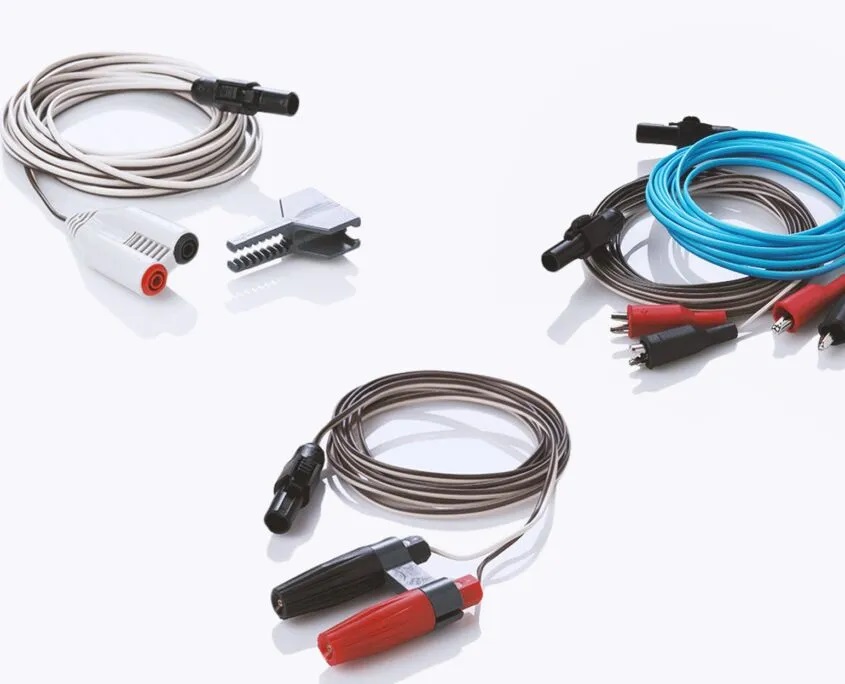
Disposable pacing systems are designed to make cardiac care safer and simpler, but that only holds true when the product is engineered and tested to exacting standards. A poorly made pacing cable can undermine even the most advanced pacing generator, resulting in unreliable signal transmission or compromised sterility.
Beyond performance, regulatory expectations around traceability and infection control have intensified. Hospitals are accountable for demonstrating that every medical disposable they use meets safety and quality benchmarks. A systematic evaluation process ensures that the cables purchased today will perform consistently, without introducing hidden risks tomorrow.
When comparing suppliers, buyers must focus on clear, measurable features rather than marketing claims. Reliable vendors will share technical data, test results, and validation reports upon request.
Key evaluation criteria include:
- Safety: Confirm insulation strength, resistance to fluid penetration, and validated sterilization methods.
- Compatibility: Check that connectors interface securely with the pacing system used by the hospital and meet recognized dimensional standards.
- Durability: Examine flexibility, coating integrity, and strain relief at high-stress points.
- Cost Effectiveness: Evaluate total lifecycle cost, factoring in reliability, ease of use, and downtime avoidance.
Applying these criteria consistently ensures a level comparison across suppliers in the single-use medical device category.
Procurement teams can quickly gauge a supplier’s reliability by the clarity and completeness of their answers. Transparent communication is often the first sign of product quality.
Important questions include:
- How is each pacing cable tested for electrical continuity and insulation resistance?
- Are connectors universally compatible with standard pacing generators?
- What traceability system (lot or serial number) do you use for each batch?
- Can you provide data on storage conditions, shelf life, and packaging integrity?
The right supplier won’t hesitate to supply detailed answers to these questions. Evasive or vague responses often indicate inconsistent quality control or limited testing.
High-quality pacing systems integrate thoughtful details that improve performance and reduce clinical risk.
The outer coating must resist abrasion, repel fluids, and maintain flexibility. Thin or uneven insulation can allow current leakage or electrical interference. In clinical use, that can translate to erratic pacing signals or potential patient shock. Materials should balance pliability with strength, being soft enough for easy handling, yet durable enough to prevent micro-cracking.
Reliable connectors create secure, consistent contact without excessive force. Connectors that are too tight may delay setup; those that are too loose risk intermittent signal transmission. A well-designed connector clicks firmly into place and maintains continuity throughout the procedure.
Every pacing cable should arrive in sealed, easy-open packaging that preserves sterility and simplifies setup. Suppliers specify sterilization type, expiration date, and instructions for sterile handling. Inconsistent packaging quality is a common indicator of broader manufacturing issues.
Remington Medical’s pacing cable lineup combines precision engineering, reliable insulation, and sterile single-use packaging for demanding cardiac environments. Designed for safety and efficiency, learn how our disposable solutions help clinicians maintain focus where it matters most.
Compliance is the framework that ensures each pacing cable performs safely from production to disposal. Reputable suppliers invest heavily in quality management systems that track every component through manufacturing, assembly, and distribution.
Suppliers should provide FDA registration or international equivalent for market clearance as well as lot-level identification for full traceability.
Traceability allows hospitals to quickly isolate and respond to any device concern. Without it, facilities risk exposure to compliance violations or incomplete recall responses. Reliable suppliers treat documentation as part of the product, not an afterthought.
Price alone can be misleading. A lower-cost pacing cable may appear to save money up front, but can cost more through inefficiency, downtime, or early failure. Evaluating value means considering total performance over the product’s life cycle.
Elements of total value include:
- Reliability: Reduces unplanned replacements and procedure delays.
- Ease of use: Speeds setup and minimizes handling errors.
- Documentation: Simplifies compliance reporting and audits.
- Consistent quality: Prevents variability between cases.
A slightly higher initial investment in a proven device can lead to long-term savings through reduced waste, fewer procedural interruptions, and stronger infection control outcomes.
Even in regulated markets, product quality varies. Recognizing early warning signs helps prevent costly mistakes before purchase.
- Vague sterilization claims: Phrases like “cleanroom processed” without method validation suggest incomplete sterilization data.
- Unverified compatibility: Lack of connector specifications can cause mismatched systems and poor contact.
- Inconsistent insulation quality: Cracks or stiffness may indicate substandard materials.
- Generic packaging: Missing labeling, lot numbers, or expiration dates limit traceability.
- Unclear documentation: Missing test results or certificates of conformity should always raise concern.
If a supplier can’t produce verifiable documentation, consider sourcing from another supplier.
Testing protocols reveal whether a product is built to withstand real-world conditions. Before purchase, a Certificate of Conformance can confirm the requirements of a quality system have been met to ensure that the pacing cable maintains electrical continuity under stress, temperature change, and extended operation.
Regulatory approvals such as FDA clearance or CE marking confirm that the manufacturer adheres to performance standards and post-market surveillance programs. Certification is evidence of a culture of accountability.
A strong evaluation framework can easily integrate into existing procurement procedures. Collaboration between clinical users and supply chain teams ensures that functional performance aligns with purchasing priorities.
Recommended steps include:
- Create a standardized checklist based on safety, compatibility, and documentation.
- Request product samples for in-house testing or user evaluation.
- Review vendor credentials and regulatory certificates.
- Assess user feedback from comparable institutions.
- Document findings for future reference or audit support.
By formalizing this process, facilities avoid inconsistent purchasing decisions and ensure every pacing cable meets both clinical and administrative standards.
Disposable technology choices reflect broader hospital goals around safety, efficiency, and environmental stewardship. While disposable medical supplies generate single-use waste, they also remove reprocessing chemicals, high-energy sterilization cycles, and infection-related costs.
For most institutions, the net environmental and financial trade-off favors well-engineered disposables that minimize risk and simplify workflows. Pairing high-quality single-use products with responsible recycling programs allows hospitals to meet sustainability objectives without compromising patient care.
Evaluating pacing systems is ultimately about finding the best balance between safety, performance, and cost control. The best suppliers demonstrate transparency, document their processes, and back their claims with data. The best products perform reliably in every environment — from emergency cardiac interventions to postoperative monitoring.
By applying structured evaluation criteria and involving both clinical and procurement perspectives, healthcare teams can select pacing cables that meet today’s regulatory and operational demands while preparing for tomorrow’s standards.
Remington Medical designs and manufactures pacing cables that meet rigorous safety, compatibility, and sterility standards. Reach out today to explore our pacing cable solutions and see how precise engineering translates into dependable performance and lasting value.