


- Home
- Companies
- ATEC Spine, Inc
- Products
- ACDF - Anterior Cervical Discectomy and Fusion - Interbody Implants
- PCF - Posterior Cervical Fusion - Alpha Informatix
- ALIF - Anterior Lumbar Interbody Fusion - Interbody Implants
- PTP - Prone Transpsoas - Access
- LTP - Lateral Transpsoas - Access
- TLIF - Transforaminal Lumbar Interbody Fusion - Fixation
- PLIF Posterior Lumbar Interbody Fusion - Fixation
- PLIF Posterior Lumbar Interbody Fusion - Interbody Implants
ATEC Spine, Inc products
ACDF - Anterior Cervical Discectomy and Fusion - Interbody Implants
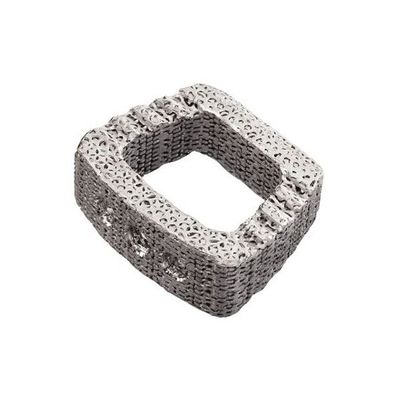
ATEC - Model IdentiTi C - Interbody Implants
ATEC’s IdentiTi Cervical Porous Ti Interbody Implants are designed to provide the biological, biomechanical, and imaging characteristics that surgeons seek in a fusion construct. The subtractive process used to manufacture each IdentiTi Implant results in more predictable mechanical performance and enhanced imaging characteristics. IdentiTi implants take advantage of bone’s affinity for titanium and, because of their porosity, have a surface roughness that enhances stability.¹
PCF - Posterior Cervical Fusion - Alpha Informatix
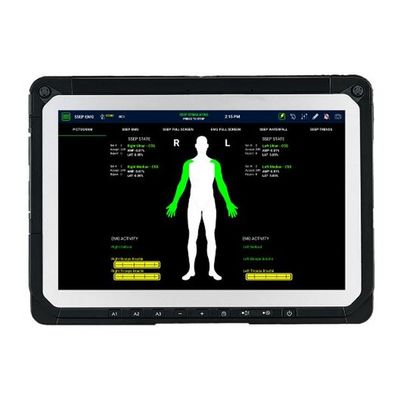
ATEC - Model SafeOp - Neural Informatix System
ATEC’s SafeOp Neural Informatix System provides surgeons actionable information to monitor the health of neural structures at risk during the PCF procedure.
ALIF - Anterior Lumbar Interbody Fusion - Interbody Implants

ATEC IdentiTi - Model ALIF SW - Interbody Implant
ATEC’s IdentiTi Anterior Lumbar SW Porous Ti Interbody Implants are designed to provide the biological, biomechanical, and imaging characteristics that surgeons seek in a fusion construct. The subtractive process used to manufacture each IdentiTi Implant results in more predictable mechanical performance and enhanced imaging characteristics. IdentiTi implants take advantage of bone’s affinity for titanium and, because of their porosity, have a surface roughness that enhances stability.¹
PTP - Prone Transpsoas - Access
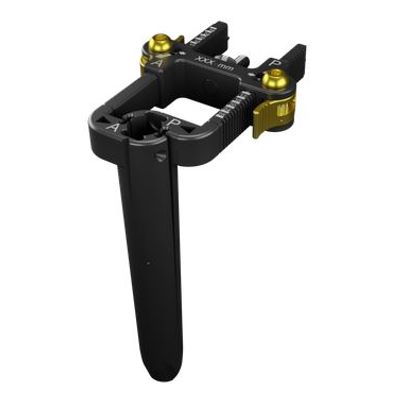
Sigma - Model LIF-PTP - Access System
Developed specifically for prone transpsoas surgery, the Sigma LIF-PTP Access System is designed to maximize efficiency, foster reproducibility, and achieve powerful access with desirable rigidity, customizable exposure, and intuitive orthogonality.
LTP - Lateral Transpsoas - Access
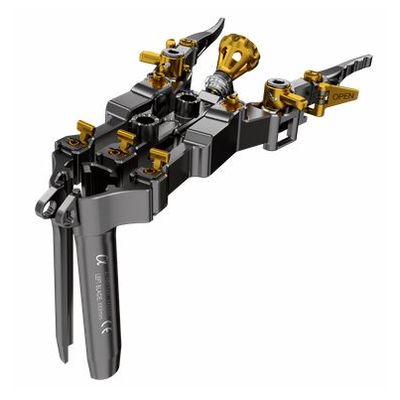
ATEC Squadron - Lateral Retractor
The Squadron Lateral Access System is designed to meet the surgeon’s needs and to maximize patient outcomes. The retractor offers multiple features to accommodate any surgical technique, quickly establish access, and minimize retraction time.
TLIF - Transforaminal Lumbar Interbody Fusion - Fixation
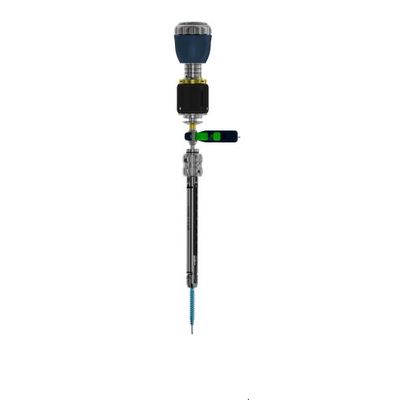
ATEC SingleStep - Spine Fixation System
Invictus MIS SingleStep is a simplified approach to traditional minimally invasive pedicle screw placement, utilizing an all-in-one driver designed to improve surgical efficiency without compromising accuracy. SingleStep eliminates guidewire management and targeting needles, while reducing instrument passes, procedural steps, screw insertion time, and reliance on fluoroscopy.¹
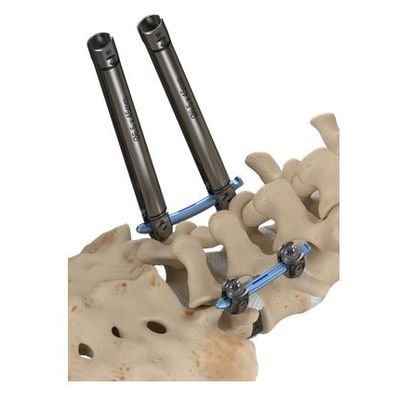
ATEC Invictus - Comprehensive Spinal Fixation Platform System
Invictus is ATEC’s comprehensive spinal fixation platform, designed to treat a range of pathologies with intraoperative adaptability and surgical predictability through an open, MIS, or hybrid approach.
PLIF Posterior Lumbar Interbody Fusion - Fixation
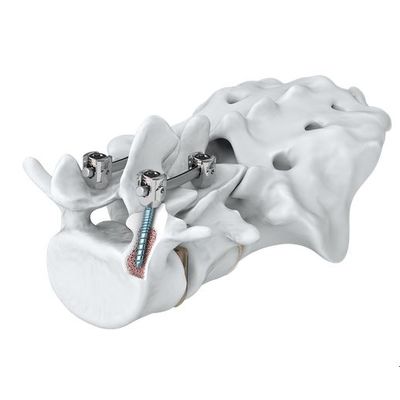
ATEC Arsenal - Cortical Bone Fixation System
The Arsenal Cortical Bone Fixation (CBx) System is designed to provide instrumentation and implants for a medial to lateral pedicular approach for spinal fixation. The CBx System is built off of the Arsenal Spinal Fixation Platform and features many of the same benefits, instruments, markings, color coding, and layout as the Arsenal Spinal Fixation System.
PLIF Posterior Lumbar Interbody Fusion - Interbody Implants
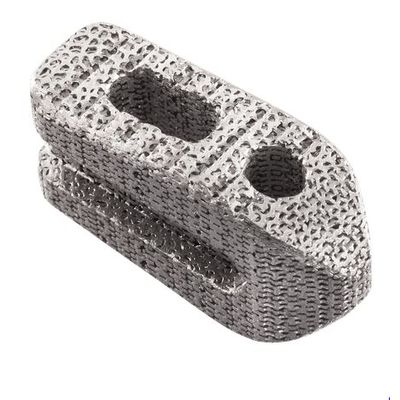
ATEC IdentiTi - Model PS - Posterior Straight Porous Ti Interbody Implants
ATEC’s IdentiTi Posterior Straight Porous Ti Interbody Implants are designed to provide the biological, biomechanical, and imaging characteristics that surgeons seek in a fusion construct. The subtractive process used to manufacture each IdentiTi Implant results in more predictable mechanical performance and enhanced imaging characteristics. IdentiTi implants take advantage of bone’s affinity for titanium and, because of their porosity, have a surface roughness that enhances stability.¹
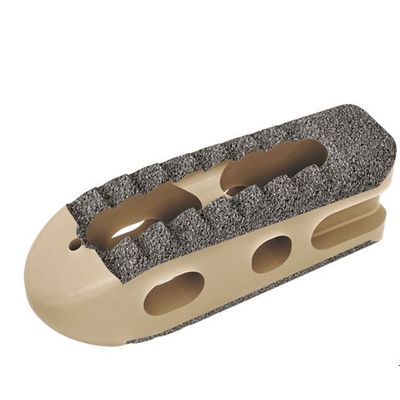
Battalion - Model PS - Titanium Interbody Implants
Battalion PC combines a PEEK body with ATEC’s patented TiTec (titanium) coating technology to take advantage of the characteristics of both materials. The PEEK material allows surgeons to assess fusion through the implant while the titanium-coating provides initial stability due to the roughened surface.