


- Home
- Companies
- BioVision, Inc.,
- Products
BioVision, Inc., products
Antibodies & Supporting Tools
Human - Polyclonal Antibody
Human 4-1BB Receptor (4-1BBR) is an inhibitor of 4-1BBL and can block 4-1BBL bioactivity. Human 4-1BBR is a 17.7 kDa protein containing 167 amino acid residues.
Human - Polyclonal Antibody
Human 4-1BB Ligand (4-1BBL) is a member of the emerging family of Ligands with structural homology to tumor necrosis factor. Human 4-1BBL is a 19.5 kDa protein containing 185 amino acid residues, comprising the TNF-like extra-cellular domain of 4-1BBL.
BioVision - Monoclonal Antibody
Polyclonal Antibody to detect 14-3-3 in Human, Mouse, Rat, pig, monkey, rabbit, dog, sheep and bovine samples. The 14-3-3 proteins comprise a family of highly conserved acidic proteins which play a role in both signal transduction and the cell cycle by binding to and regulating several different proteins. The family of proteins is present in particularly high concentrations in mammalian brain and may be involved in the regulation of neuronal activity. The 14-3-3 proteins exist as either homo- or heterodimers which interact via their N-terminal domains and are subject to phosphorylation by protein kinase C.
Biochemicals
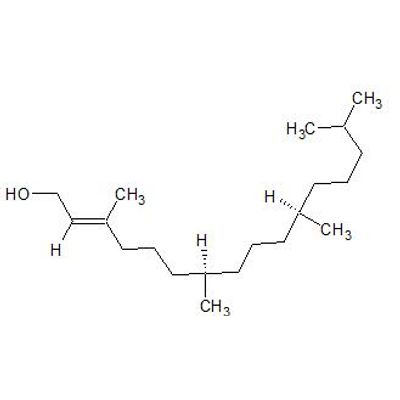
Phytol - Diterpene Alcohol Commonly Activator
A retinoid X receptors (RXRs) activator. Phytol is a diterpene alcohol commonly used as an aromatic ingredient in many fragrance compounds. Phytol and its metabolites have been reported to activate retinoid X receptors (RXRs) and to promote the activity of (peroxisome proliferator-activated receptor) PPAR/RXR heterodimers. Some of its lipophilic analogs show potent antitubercular activity.
CRISPR-Cas9 Products
BioVision - Anti-Cas9 Antibody (7A9)
Cas9 (CRISPR associated protein 9) is an RNA-guided DNA endonuclease enzyme associated with the CRISPR (Clustered Regularly Interspersed Palindromic Repeats) adaptive immunity system in Streptococcus pyogenes and other bacteria. Cas9 is used to interrogate and cleave foreign DNA, such as invading bacteriophage DNA or plasmid DNA. This is accomplished by unwinding foreign DNA and checking for if it is complementary to the 20 base pair spacer region of the guide RNA. If the DNA substrate is complementary to the guide RNA, Cas9 cleaves the invading DNA.