


- Home
- Companies
- CD Bioparticles
- Articles
CD Bioparticles articles
Precise and safe delivery of drugs to target sites has always been an important task for researchers in modern medicine. With the development of nanotechnology, a variety of nanodrug delivery systems (NDDS) have been designed and prepared, such as the most familiar liposomes, polymer nanoparticles, and metal nanoparticles. However, a new kind of drug delivery system has also gradually emerged in recent years: lipid nanodisc
What are Dyed Polystyrene Latex Particles?
Polystyrene particles (PSP) are commercially available in different sizes, ranging from 15 nanometers to several micrometers, with narrow size distributions and various surface chemistries. Additionally, polystyrene is generally considered inert and nontoxic, making it safe for use in a variety of biological assays. Dyed polystyrene latex particles or colored la
The main focus of drug carrier research today is to identify carriers that are both safe and effective for clinical treatment applications. As treatment strategies advance researchers regularly update drug delivery systems. Traditional drug delivery systems consist of liposomes and polymer micelles together with nanoparticles but despite their inclusion in clinical trials current versions still encounter limitations. Liposomes struggle to release
Most of the old drugs are currently limited in their effectiveness because of poor pharmacokinetics, simple clearance by the body and cytotoxicity. Nanoparticle technology in particular, Nano drug delivery system is getting a lot of attention and application in medicine in the recent years. Since it is small (1100nm), targets well, and stays in the circulation long enough, NPs are a good candidate as a drug carrier, enabling an enhanced in vivo t
Poly(lactic-co-glycolic acid) (PLGA) is a functional polymer organic compound randomly polymerized by lactic acid (PLA) and glycolic acid (PGA). It has been approved by the U.S. Food and Drug Administration It is certified by the Food and Drug Administration (FDA) and is a copolymer material available on the market. PLGA has good biocompatibility, biodegradability, mechanical strength, good plasticity, surface modification, and drug e
POCT (Point-of-Care Testing) refers to clinical and bedside testing conducted in close proximity to patients. It is often not performed by clinical laboratory personnel. POCT holds significant importance in disease prevention, etiology determination, prognosis, enhancing treatment outcomes, and reducing healthcare expenses. It meets clinical testing needs across various healthcare settings. POCT serves as a complement to traditional laboratory testing methods. It is characterized by short tes
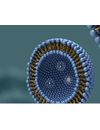
Micelles refer to molecularly ordered aggregates that begin to form in large quantities after the surfactant concentration reaches a certain value in an aqueous solution. In micelles, the hydrophobic groups of surfactant molecules aggregate to form the core of the micelle, and the hydrophilic polar groups form the outer layer of the micelle. Liposomes are an artificial membrane. In the water, the hydrophilic head of the ph
Nanotechnology has not only received attention and applications in the field of drug delivery, but also has achieved many successes in the field of tissue engineering. Nano dressings can be defined as dressings in which nanomaterials are the matrix. The birth of nano dressings has brought new treatment methods for wound repair and burn care, such as nanohydrogels, nanofibers, nanomembranes, dendrimers, and polymer conjug
The concept of proteolytic targeting chimera (PROTAC) was first proposed by Crews and Deshaies laboratory in 2001, the team successfully achieved the degradation of methionyl aminopeptidase 2 (MetAp-2) by PROTAC method. Since then, PROTACs targeting androgen receptor (AR) and estrogen receptor (ER) have appeared one after another. In 2004, a PROTAC molecule that recruited the tumor suppressor protein VHL through a polypeptide fragme
Chitin is the second largest natural polymer after cellulose, and it exists widely in nature, such as shells of crustaceans such as shrimps, crabs, insects, and cell walls of fungi. Although chitin has good biocompatibility and biodegradability, its poor solubility limits its practicality in the field of biomedicine.
The product of chitin deacetylation is chitosan. Chitosan is structurally composed of D-glucosamine units, and each repeati