CHROMagar
4 products found

CHROMagar products

Clinical Microbiology
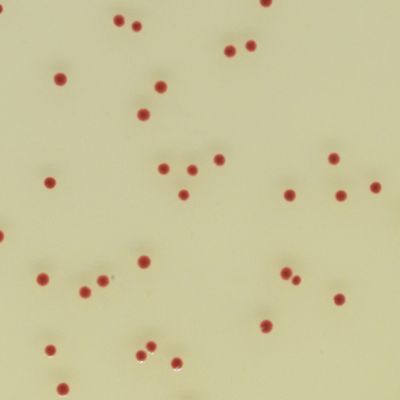
CHROMagar - Cephalosporin-Resistant Enterobacteria

Performance: β-Lactamase production (ESBL, AmpC, carbapenemase) is the most common mechanism of β-lactam drug resistance in Gram negative bacteria. Each of the involved mechanisms can be plasmid-encoded and transfer horizontally. Moreover, plasmids continuously gather other antibiotic resistance determinants, ultimately closing to pan-resistance. Their spread leads to increased colonization pressure in hospital and community as well. It is crucial to ensure that proper surveillance is in place to help implement appropriate guidelines and policies for their spread control. Rapid detection of bacteria producing these enzymes also allows for de-escalation to more targeted therapy, to conserve carbapenem antibiotics for more serious infections.

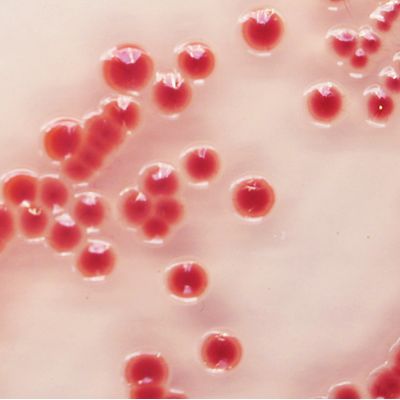
Chromagar - Acinetobacter

CHROMagar™ Acinetobacter is a selective and differential chromogenic culture medium, intended for use in the qualitative direct detection of colonization with Acinetobacter to aid in the prevention and control of Acinetobacter, drug-susceptible or multi-drug resistant (MDR), in healthcare settings. The test is performed with rectal swabs, nare swabs, wound swabs, stools and urine samples from patients to screen for Acinetobacter colonization. It can also be used in hygiene monitoring in the clinical environment with surface sampling. Results can be interpreted after 18-24 h of aerobic incubation at 35-37 °C. The medium can also be used as an early warning indicator for diagnostic tests of infections to signal the possible presence of multi drug-resistant bacteria. This use does not replace the institution’s protocols.

Chromagar - C. Difficile
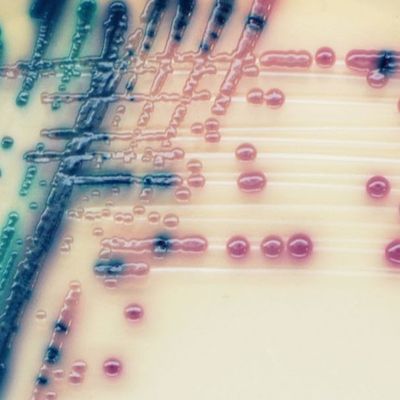
CHROMagar™ C.difficile is a selective and differential fluorogenic culture medium, intended for use in the qualitative direct detection of gastrointestinal colonization with Clostridioides difficile to aid in the prevention and control in healthcare settings. The test is performed with stools. Results can be interpreted under UV light after 24 h of anaerobic incubation at 35-37 °C. CHROMagar™ C.difficile is not intended to diagnose an infection nor to guide nor monitor treatment for infections. A lack of growth or the absence of fluorescent colonies on CHROMagar™ C.difficile does not preclude the presence of C. difficile. Further identification, susceptibility testing, and epidemiological typing is needed on suspect colonies.

Food Industry

CHROMagar - Campylobacter

Performance: “Campylobacter bacteria are a major cause of foodborne diarrhoeal illness in humans and are the most common bacteria that cause gastroenteritis worldwide. In developed and developing countries, they cause more cases of diarrhoea than foodborne Salmonella. The high incidence of Campylobacter diarrhoea, as well as its duration and possible sequelae, makes it highly important from a socio-economic perspective. In developing countries, Campylobacter infections in children under the age of two years are especially frequent, sometimes resulting in death.” World Health Organisation (WHO) – fact sheet N°255.