


Context Therapeutics Inc. news
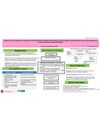
Antiprogestins act as Progesterone Receptor (PgR) antagonists.
Novel and promising class of drugs to overcome endocrine resistance associated with ESR1 mutations.
SMILE STUDY is a multi-institutional phase II clinical trial to determine the efficacy of an antiprogestin, Onapristone +fulvestrantas second line therapy for patients with HR+/HER2- metastatic breast cancer (MBC).
Hypothesis: The proposed combination of therapy with onapristone + fulvestrant is effecti
PHILADELPHIA, Dec. 08, 2022 (GLOBE NEWSWIRE) -- Context Therapeutics Inc. (“Context” or the “Company”) (Nasdaq: CNTX), a women’s oncology company developing novel treatments for breast and gynecologic cancers, announced preliminary Phase 2 data from the ongoing SMILE trial of onapristone extended release (ONA-XR), the company’s novel, first-in-class, potent, orally administered progesterone receptor (PR) antagonist, in metastatic breast cancer.
Bein
PHILADELPHIA, March 08, 2022 (GLOBE NEWSWIRE) -- Context Therapeutics Inc. (“Context” or the “Company”) (Nasdaq: CNTX), a women’s oncology company developing small molecule and immunotherapy treatments for breast and gynecological cancers, today announced that five abstracts have been selected for poster or symposium presentations at the American Association for Cancer Research (AACR) Annual Meeting 2022, taking place April 8-13, 2022, at the Ernest N. Moria
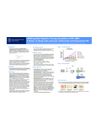
Extended release Onapristone (Onapristone ER) is a progesterone receptor (PR) antagonist that inhibits hormone-mediated PR activation and stabilizes PR association with compressors, resulting in an antineoplastic effect when applied alone or in combination with antiestrogen therapy to breast cancer cells in vitro (1).
Recent preclinical studies further suggest that onapristone adds to inhibition of cell proliferation when combined with CDK4/6 inhibitors and fulvestrant (Figure 1; Unpu
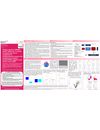
PGR is an estrogen-responsive gene and progesterone receptor (PR) expression, evaluated by immunohistochemistry (IHC), is used as a clinical biomarker of estrogen signaling and estrogen receptor (ER) functionality.1
Despite the well-studied role of PGR as mitogen and independent ER activator, anti-progestins for the treatment of BC have been poorly tested. While limited success for anti-progestins has been reported in metastatic setting2-3-4, two more recent window of opportunity (WOO