


Creative Peptides articles
If we were to delve into the intricate world of biochemistry, we would come across the functionality of diverse molecules that perform essential roles in biological systems. One such class of molecules, peptides, are short chains of amino acid monomers linked by peptide bonds. These aren't just any ordinary molecules; these are functional peptides which undeniably contribute a significant part to our biological mechanism
Functional peptides are classified into several types
The formation of 2,5-diketopiperazine (DKP) with a bicyclic structure is one of the most detrimental side reactions and degradation pathways affecting peptide synthesis. Despite its crucial role as a versatile building block in drug discovery, the formation of DKP reactions is hig
Vaccines are considered one of the most successful medical interventions in the past few centuries, aiming to harness the human immune system and generate lasting protection against specific diseases. Traditional vaccines rely on the use of inactivated pathogens to trigger an immune response. However, many of these formulations carry a high risk of causing allergies or autoimmune reactions. Peptide vaccines are increasingly seen as an economically efficient and safe approach to circumven
Classes of Cell-Penetrating Peptides
There are many types of cell-penetrating peptides (CPPs), and their classification is based on physicochemical properties, sources, intake mechanisms, and biomedical applications. There is no unified conclusion yet. According to their physical and chemical properties, CPPs can be divided into three types: cationic, amphiphilic and hydrophobic, among which cati
The FDA's Center for Drug Evaluation and Research (CDER) regulatory approval of a total of 26 NME (New Molecular Entity) drugs in the first half of 2023. It is worth noting that the 26 drugs approved include 4 peptide drugs, accounting for 15% of the total.
In the past 2022, the FDA has approved only three peptide drugs: Tirzepatide, Lutetium 177Lu Vipivotide Tetraxetan and Terlipressin, of which terlipressin was previously available outside the United States as Glypressin®. There
Cell-penetrating peptides (CPPs) are short peptides that facilitate cellular intake and uptake of molecules ranging from nano-size particles to small chemical compounds to large fragments of DNA. As a versatile peptide, CPP has been widely used for diagnostic and therapeutic applications.
1. Oligo and siRNA Transport
As an important means for targeted therapy of specific gene
Creative Peptides
Cell-penetrating peptides (CPPs) refer to water-soluble, partly hydrophobic, and/or polybasic short peptides that are fewer than 30 amino acids in size. Different types of CPPs like chimeric peptides and hydrophobic peptides have different lengths, charges, solubility, and hydrophobicity. At current, cell-penetrating peptides are often classified in line with their characteristics, including origin, conformation, and chemical properties. Although CPPs are highly diverse in physicochemical and
Due to the high sensitivity, flexibility, selectivity, and environmental stability, fluorescent techniques are broadly applied in biological research. Peptides provide unique possibilities for the development of efficient and selective fluorescent sensors because of their modular nature, synthetic accessibility, and biomolecular recognition potential. Accordingly, labeling peptides with fluorescent dyes become a powerful tool for studying biologically related interactions such as receptor-lig
Cathy Miller
Post-translational modification (PTM) is the covalent and generally enzymatic modification of proteins following protein biosynthesis. PTMs can alter the physicochemical properties of the peptide by changing the electrostatic charge, hydrophilicity, and conformation, thereby modulating their ability to specifically bind to the protein of interest. And PTM can also regulate protein folding, target specific subcellular compartments, interact with ligands or other proteins. As a result, the
Cathy Miller
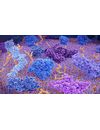
It has been said that the 21st century is the century of peptide drugs, and the fate of this substance, which lies between a large protein and a small molecule compound, is bound to be extraordinary.
What are peptide drugs?
Peptides are a class of compounds made up of amino acids linked by peptide bonds and are chemically active substances commonly found in living organisms. According to the
Cathy Miller