


Emulate products
Organ-Chips

Emulate - Brain-Chip
Research mechanisms of neuroinflammation and evaluate the effect of therapeutics in a comprehensive model of the neurovascular unit
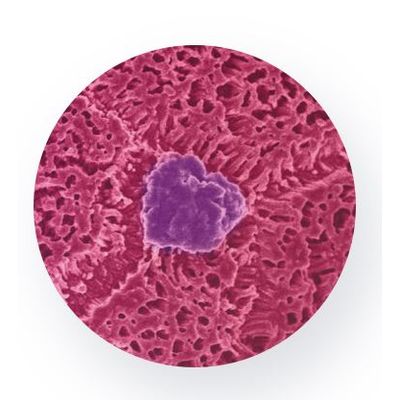
Emulate - Colon Intestine-Chip
Investigate mechanisms of colon inflammation and barrier disruption and evaluate the efficacy of anti-inflammatory drug candidates in an organoid-derived model.
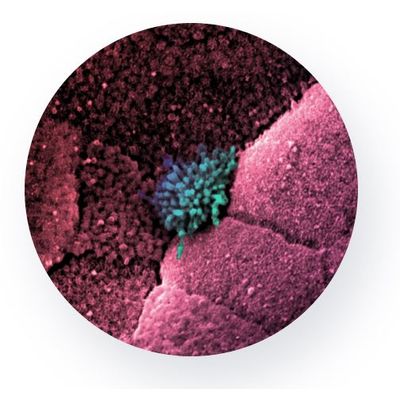
Emulate - Duodenum Intestine-Chip
Study drug absorption and drug-drug interactions in a primary organoid-based model of the human small intestine.
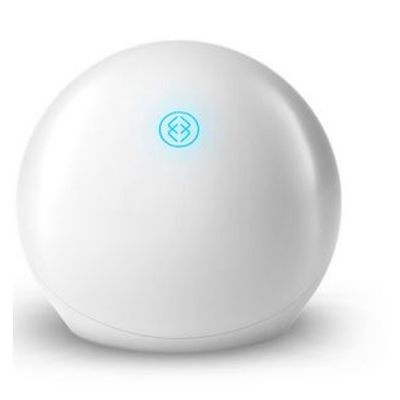
Emulate - Model ORB - Cell Culture Module
A scalable power hub for the Zoë Culture Module. Orb connects to standard lab outputs and provide gas, power, and stretch to up to four Zoë Culture Modules.
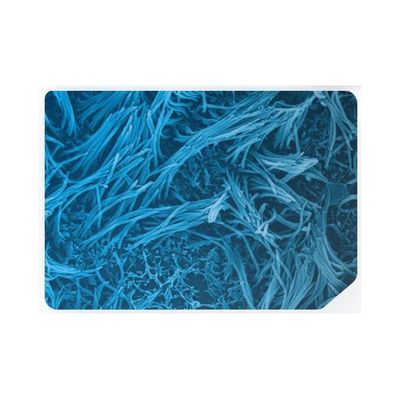
Emulate - Lung-Chip
Study lung physiology, disease, and the effect of drug candidates. A more human-relevant model for studying pulmonary physiology, with primary human cells in a lung-specific microenvironment. We are currently developing two distinct models of the human lung—the Alveolus Lung-Chip and the Airway Lung-Chip—to capture the specific tissue architecture and function of different lung tissues. Both models will enable researchers to investigate pathophysiology and evaluate drug effect during preclinical discovery and development.
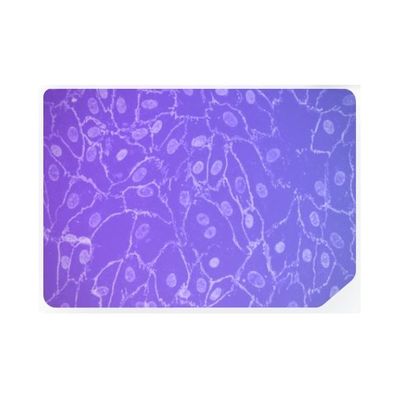
Emulate - Kidney-Chip
Evaluate drug candidate toxicity at clinically relevant concentrations in a co-culture human kidney model. Predicting drug-induced kidney toxicity and drug-drug interactions continues to be a challenge due to a reliance on immortalized cell line culture or animal models that do not translate to human response. The co-culture Emulate Kidney-Chip combines primary human cells in a dynamic microenvironment for an improved model of the proximal tubule-peritubular capillary interface. Applications include preclinical toxicity testing of drug candidates across a diverse array of endpoints.
Liver-Chip
Investigate mechanisms of toxicity for preclinical drug candidates to help decrease clinical trial safety failures. Drug-induced liver injury (DILI) is a primary concern during drug development that remains poorly understood due to species differences in liver toxicity and the limited predictivity of conventional in vitro models. The quad-culture Emulate Liver-Chip combines four human cell types in a dynamic microenvironment to support in vivo like gene expression, functionality, and physiology. Applications include general and mechanistic toxicity evaluation, as well as biomarker identification and mechanism of action determination.
Instruments & Accessories
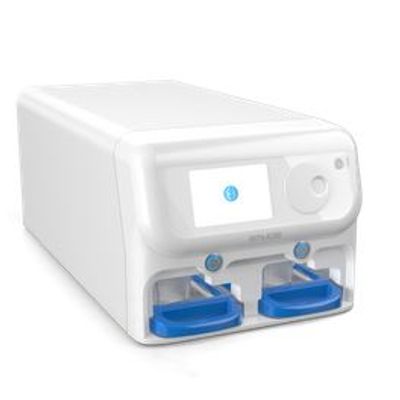
Emulate - Model Zoe-CM2 - Cell Culture Module
Zoë sustains the life of cells within our Organ-Chips, automating the precise conditions needed to culture up to 12 Organ-Chips.