


Gain Therapeutics, Inc. products
Gain - Protein Misfolding Technology
Protein misfolding is the root of many diseases, including lysosomal storage disorders and neurodegenerative diseases.
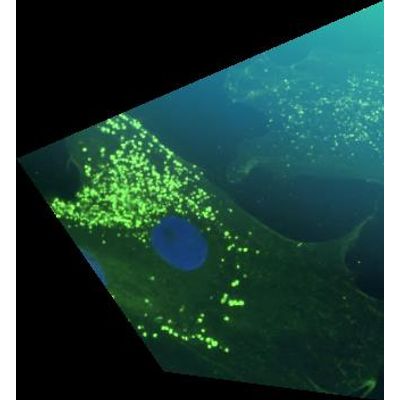
Gain - Model See-Tx - Site-Directed Enzyme Enhancement Therapy (See-Tx) Platform
Gain is utilizing its Site-Directed Enzyme Enhancement Therapy (See-Tx™) platform to guide misfolded enzymes back into their proper shape in order to treat a range of diseases.
Gain MORQUIO B - Model Type IV - Mucopolysaccharidosis Disease
Morquio B, also known as Mucopolysaccharidosis type IV (MPS IV), is a progressive disease mostly impacting the skeleton, caused by mutations in GLB1, the gene that encodes the beta-galactosidase (GLB) enzyme. These mutations result in the misfolding and subsequent dysfunction of GLB, which leads to the toxic substrate accumulation of keratan sulfate in organs and tissues. Very limited and investigational symptomatic treatment options include substrate reduction therapy, enzyme replacement therapy, bone marrow transplantation, stem cell transplantation and gene therapy to address non-CNS symptoms. Gain is developing allosteric regulators that are designed to decrease toxic substrate accumulation in organs and tissues of patients with Morquio B in order to potentially provide the first treatment approach for the disease’s neurological symptoms.
Gain - Model GM1 - Gangliosidosis Disease
GM1 Gangliosidosis is a hereditary, progressive disease mostly impacting neurons in the brain and spinal cord, caused by mutations in GLB1, the gene that encodes the beta-galactosidase (GLB) enzyme. These mutations result in the misfolding and subsequent dysfunction of GLB, which leads to the toxic substrate accumulation of GM1 ganglioside in organs and tissues. Very limited and investigational symptomatic treatment options include substrate reduction therapy, enzyme replacement therapy, bone marrow transplantation, stem cell transplantation and gene therapy to address non-CNS symptoms. Gain is developing allosteric regulators that are designed to decrease toxic substrate accumulation in organs and tissues of patients with GM1 Gangliosidosis in order to potentially provide the first treatment approach for the disease’s neurological symptoms.