


- Home
- Companies
- Ionpath, Inc.
- Products
Ionpath, Inc. products
MIBIscope
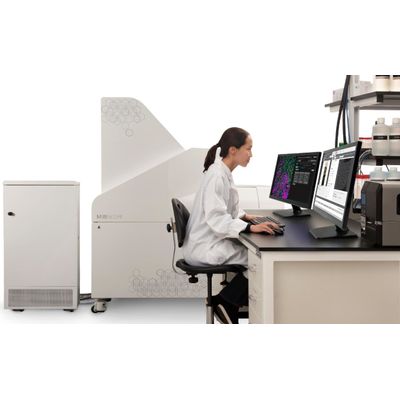
MIBIscope - Transforming Multiplexed Tissue Imaging System
The MIBIscope System is a revolutionary imaging platform, enabling comprehensive phenotypic profiling and spatial analysis of the tissue microenvironment. The MIBIscope allows researchers to visualize over 40 markers simultaneously with higher sensitivity, resolution, and throughput than existing methods.
Reagents - Conjugated Antibodies
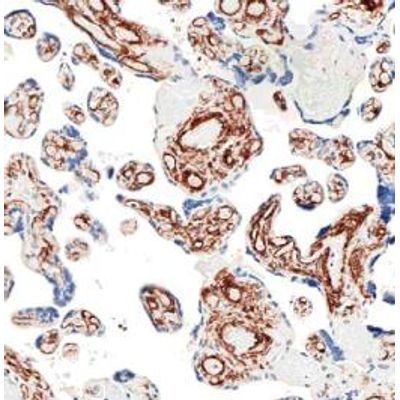
Ionpath - Model 164Dy - a-SMA [D4K9N] Antibody
Background:α-smooth muscle actin (α-SMA, ACTA2) is one of six actin isoforms found in vertebrates. α-SMA is expressed in a variety of tissues and is used as a marker of vascular smooth muscle, myofibroblasts, and cancer-associated fibroblasts (CAFs)lume: 100uL with a recommended usage of 1uL per 100 uL staining volume.
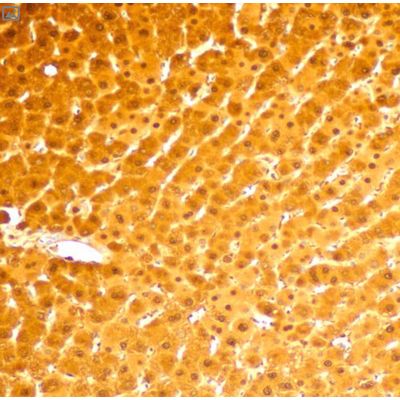
Ionpath - Model 150Nd - Arginase-1 Antibody
Background:Arginase-1 is expressed by liver cells, myeloid-derived suppressor cells (MDSCs), macrophages, and neutrophils. In mammals, there are three enzymes that metabolise arginine: two arginase isoforms (ARG1, ARG2) and inducible nitric oxide synthase (iNOS). Arginase-1 catalyzes the breakdown of L-arginine into L-ornithine and urea as the final step in the urea cycle. L-arginine is a necessary metabolite for T cell receptor signaling and T cell proliferation. Arginase is induced by inflammation. In cancer, MDSCs within the tumor microenvironment (TME) produce arginase-1 resulting in low levels of available L-arginine within the TME leading to attenuated T cell responsiveness.
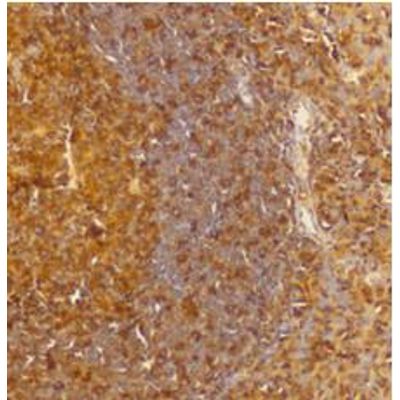
Ionpath - Model 113In - ß-Tubulin Antibody
Background: The cytoskeleton is composed of microfilaments, intermediate filaments, and microtubules. β-tubulin, together with α-tubulin, forms heterodimers that serve as the building blocks for microtubules. The structure of microtubules is dynamically regulated in processes related to cell movement, cytoplasmic transport, and chromosome alignment during meiosis/mitosis. β-tubulin is broadly expressed in eukaryotic cells. β-tubulin is the target of several anti-tubulin agents used in the treatment of cancer. 1 liter.
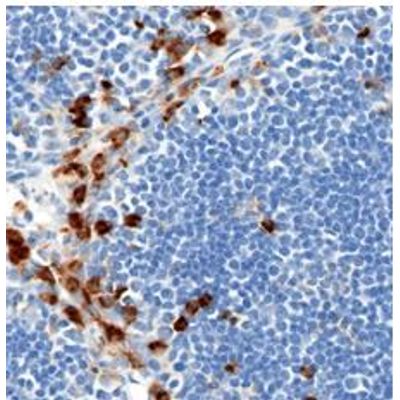
Ionpath - Model 155Gd - CD11b [D6X1N] Antibody
Background:CD11b belongs to the integrin alpha chain family and is predominantly expressed on myeloid cell populations such as macrophages, monocytes, neutrophils and classical dendritic cells. CD11b expression can also be used to identify microglia in the brain and spinal cord.
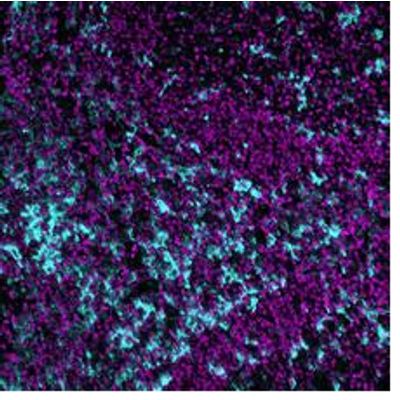
Ionpath - Model 144Nd - CD11c Antibody
Background: CD11c is expressed by dendritic cells, monocytes, macrophages, neutrophils, and some B cells. CD11c is one of four β2 integrins along with CD11a, C11b and CD11d. CD11c is a receptor for fibrinogen and functions in chemotaxis and cell adhesion. Integrins mediate myeloid cell recruitment from the blood vessels into tissue and lymph nodes and contribute to the immunological synapse between T cells and antigen presenting cells.
Reagents - Conjugation Kits
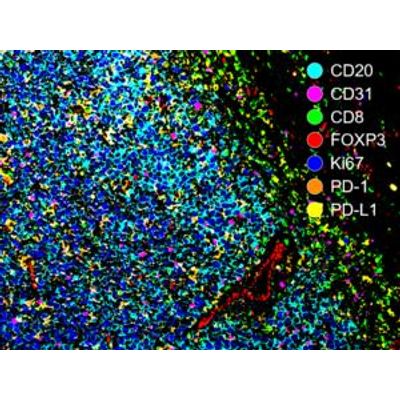
MIBItag - Model 89Y - Conjugation Kit
Lanthanide component Mixture - contains nitric acid and metal lanthanide Stabilization Buffer component Mixture – contains sodium azide Polymer component – contains diethylenetriaminepentaacetic acid.
MIBItag - Model 113In - Conjugation Kit
Lanthanide component Mixture - contains nitric acid and metal lanthanide Stabilization Buffer component Mixture – contains sodium azide Polymer component – contains diethylenetriaminepentaacetic acid.
Reagents - Slides and Reagents
Ionpath - Model 567001 - Slides
Specially formulated high-purity gold-coated slides let your biomarker signals shine without common slide interferences, such as chromium or titanium. Qty 5.
Ionpath - Model MIBI 20X TBS-T-567005 - Reagents
Each lot is quality control tested to ensure the absence of contaminating metal impurities. Product size is 1 liter.