

Lumosa Therapeutics Co., Ltd. products
Neuroscience

Uremic Pruritus
The Global Burden of Disease Study suggested that there are 700 million cases of chronic kidney disease (CKD) worldwide. 50% of patients with CKD, and 90% of dialysis patients have uremic pruritus, a condition that have negative physiological, psychological, and social impacts on the patients. The condition severely interferes with patients’ sleeping patterns that devastates patient’s quality of life. Common forms of itch relief methods such as the use of anti-itch creams, antihistamines, corticosteroids, and gabapentin, are at times ineffective. Other kappa agonists given systemically may cause CNS-related side effects. Therefore, uremic pruritis (UP) is a condition that needs to be addressed urgently.
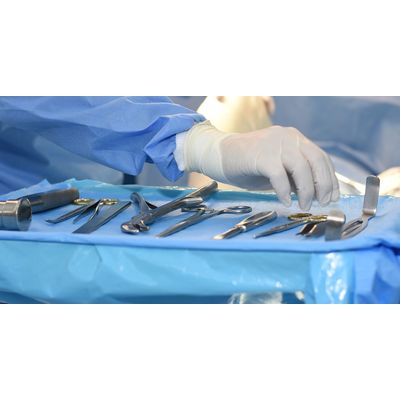
Post-Operative Pain Analgesic Injection
The WHO estimated that 313 million surgeries are performed each year, and a considerable proportion of patients experience undesirable levels of postoperative pain. A poorly controlled postoperative pain may delay recovery time and the patients may suffer chronic pain that may impair their quality-of-life, causing prolonged duration of opioid use, and higher health-care costs. A US survey showed that 80% of the patients who underwent surgeries experience poorly managed postoperative pain. Opioids (such as morphine, oxycodone and fentanyl) are the mainstay analgesia for postoperative pain but often associated with side effects such as pruritus, urinary retention, constipation, and respiratory depression, as well as risks of substance abuse. Opioid-involved deaths in the US was 49,860 in 2019 which raised the general public’s concern regarding this issue.

Acute Ischemic Stroke Thrombolytic Agents
According to the WHO, stroke is the second leading cause of death with approximately 6 million deaths in the world per year. Stroke can be categorized as a hemorrhagic or an ischemic stroke. Studies show ischemic stroke, which LT3001 intends to treat, occurs in about 85% of all stroke cases. The only FDA approved treatment for ischemic strokes is tissue plasminogen activator (tPA, also known as IV tPA). tPA works by dissolving the clot but only for those patients presenting within 3 or 4.5 hours of ischemic stroke onset due to increased risk for intracranial hemorrhage in stroke patients with extended time window. Due to its limited applied condition and safety concerns, the actual usage of tPA in a clinical setting is only 3%~5%. A new safer and more effective treatment for ischemic stroke without brain hemorrhage has been long overdue.