


LVD Biotech products
Medical Device Coatings
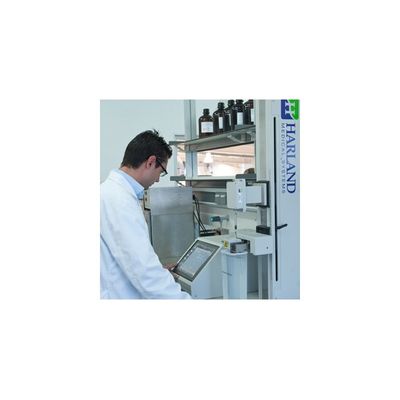
Hydrax - Hydrophilic Coating
Hydrax® product range is a versatile coating system applicable to many substrates used in medical devices. Hydrax® attracts and retains water to the surface. It enhances the surface lubricity and reduces possible tissue trauma. Hydrax® technology is primarily designed to enhance interventional procedures in coronary, peripheral, and neurovascular therapies, due to excellent lubricity and low friction properties. Hydrax® is the result of more than 10 years of research and development in the hydrophilic coating field. Our ultraviolet (UV) technology coatings are manufactured under ISO 13485. Our polymer expertise allowed us to design a hydrophilic coating with longer durability and low particulate release under stress.
LVD Biotech - Anti-Microbial Coating
LVD BIOTECH Anti-microbial coating is designed to attract and kill bacteria upon contact. It is developed using our proprietary polymer technology and provides a durable surface to many substrates including medical-grade PDMS (silicones) and Metals. The coating is bonded to the surface generating electrostatic forces capable of attracting bacteria and killing on surface contact.
Drug-Eluting
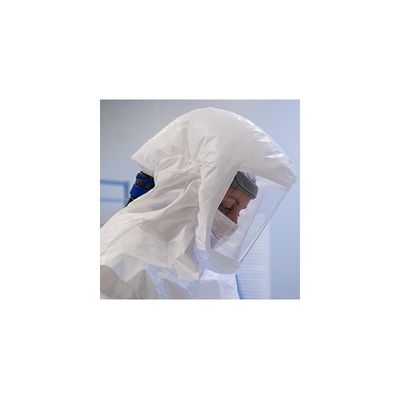
LVD Biotech - Drug-Eluting Balloon (DEB)
Our Drug-Eluting Technology (Transfertech) has been designed to guarantee the durability of the coating in the first navigation stage until reaching the injury. The balloon surface is covered with multiple and independent nano drops layers, providing a flexible coating that adapts to the balloon movement and ensures the release of the drug in the target lesion, without particle loss in the blood flow.
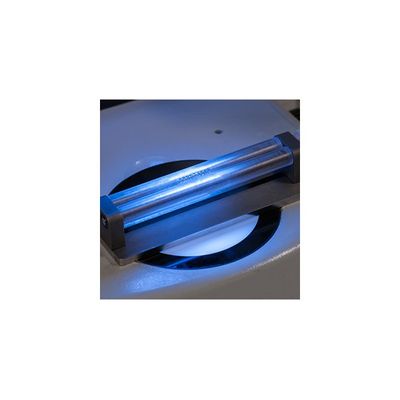
LVD Biotech - Drug-Eluting Stent (DES)
We manufacture DES Drug Delivery with proprietary delivery systems. We handle several drugs and have shown controlled release over a prolonged period enabling healing of the surrounding vascular tissue and endothelial layer.
Medical Tubing
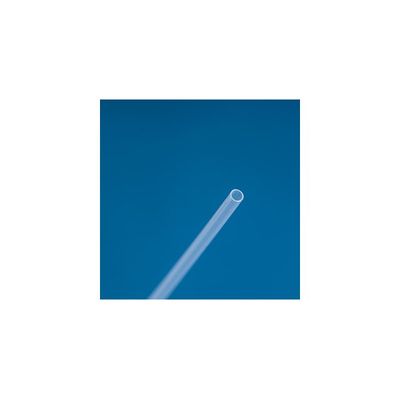
LVD Biotech - Single - Lumen Tubes
Tubes with a single lumen are normally used for the interior transport of fluids or medical devices. The most common applications in the medical field are the shaft of catheters, guidewire lumen and transitions, for the coronary, peripheral and neurovascular fields.
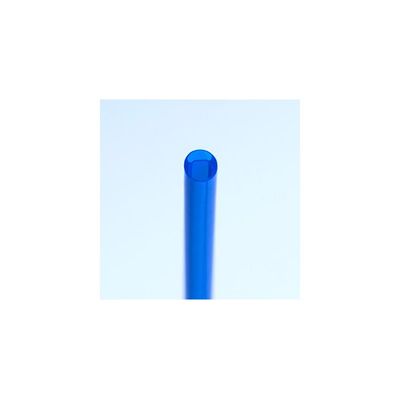
LVD Biotech - Multi - Lumen Tubes
Tubes with multi orifices are normally used for the interior transport of fluids or medical devices. The most common applications in the medical field are the shaft of catheters, a guidewire lumen and transitions, for the coronary, peripheral and neurovascular fields.
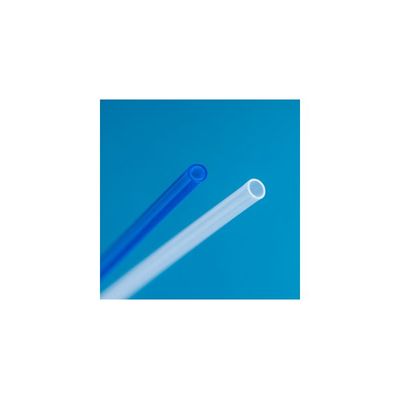
LVD Biotech - Multi-Layer / Co-Extrusion Tubes
Coextruded tube consisting of two or three layers of different materials. Due to the wide range of possible combinations, this product is a reference for customized solutions. Our customers can select the thickness of each layer (intermittent extrusion), so variations on hardness, flexibility, and radiopacity can be obtained. The most common applications in the medical field are shaft catheters with inflation channel integrated, steerable catheters, and electronic sensors channels for the coronary, peripheral and neurovascular fields.
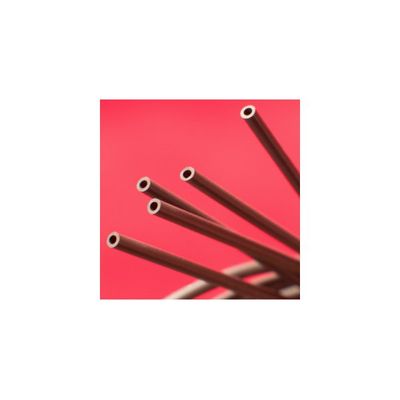
LVD Biotech - Intermittent Extrusion Medical Tubes
Tube produced by a manufacturing process enabling a variation on the percentage of materials in each layer. This results in a product with variable hardness, flexibility, and radio-opacity. The most common applications in the medical field are reinforced catheters, guiding catheters, micro-catheters, thrombus extraction catheters, and support catheters, for coronary, peripheral, and neurovascular fields.
OEM Stents
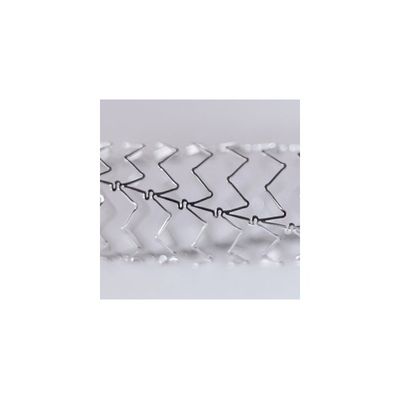
Cobalt-Chromium (CoCr) Stent
CoCr Metal alloy has enhanced mechanical properties with plastic-like behavior which makes it the choice for balloon-expandable stents. CoCr stents can reach high radial force values while keeping the amount of metal at a minimum.
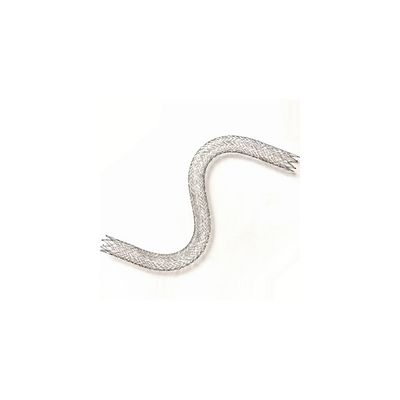
Nitinol Stent
Nitinol Metal alloy with an outstanding elastic behavior while reaching acceptable values of radial force. Perfect for exposed vessels such as the popliteal artery. Its shape memory behavior makes it the chosen material for self-expandable stents.