

Made for Movement applications

Physical activity and exercise provide immediate and long-term health benefits. Most importantly, regular activity improves quality of life. An assistive device is compensating for a disability and allowing the person to be active and participate in everyday life. It is a personal aid and individually adapted to fit that person`s special needs. It can be used either in the home environment, kindergarten, school or workplace to accommodate an active life style, which is essential for growth, development, well-being, and socialisation.
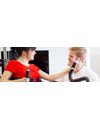
Offering new technology to patients in your clinic is attractive and allows you to adapt and personalise training programs to the individual needs of the patients. You are able to constantly monitor and evaluate progression and adjust accordingly. The use of medical devices provides higher training intensity compared to what is typically achieved in traditional rehabilitation, and at the same time offloading therapists` burden. Robotic movement therapy is a recommended intervention in rehabilitation, all the way from intensive care units to in-patient and out-patient clinics.
Children’s academic performance is closely linked to their ability to learn. Exploration is a vital part of the learning process, and young people can explore their world through the ability to move. Movement shows profound impact on learning, as well as providing a great sense of fun and a feeling of inclusion. Physical activity improves health, and healthier young people are likely to have better attendance in school. Children with complex disabilities often have limited opportunities for physical activity, and should be empowered to move. Assistive devices make movement possible for all, and should be considered as a means of access to learning.