

- Home
- Companies
- Paradromics
- Products
Paradromics products
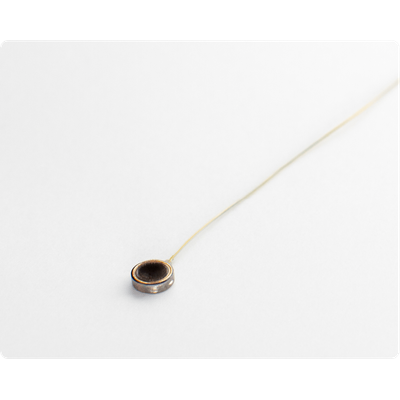
Connexus - Brain-Computer Interface (BCI) for Motor-Impacted Communication
The Connexus Brain-Computer Interface (BCI) is designed to assist individuals with motor impairments, such as those resulting from ALS, spinal cord injuries, or strokes, in re-establishing communication through advanced technology. By decoding neural signals into synthesized speech, text, and cursor control, Connexus provides a significant leap in BCI technology. It is built to endure long-term medical use with high data-rate capabilities, ensuring performance optimization during natural communication speeds and complex interactions with digital devices. The device integrates a miniaturized cortical module with an array of 421 microelectrodes designed to capture extensive neural data. These electrodes, made from medically proven materials like a titanium alloy body and platinum-iridium electrodes, are biocompatible and thinner than human hair, ensuring a non-invasive and effective interface. The system comprises an internal transceiver and extension lead for signal transmission and power supply, leveraging wireless technologies akin to smartphone charging. Connexus is currently undergoing clinical trials and is not yet for sale in the United States.
Tempo - Brain-State Monitor
The Tempo Brain-State Monitor is a brain-computer interface (BCI) developed by Paradromics, specifically designed to aid mental health treatment through real-time brain state monitoring. It offers a novel approach by providing timely, data-driven insights into an individual's neural activity, particularly benefiting those with conditions such as anxiety and depression. Unlike traditional pharmaceutical treatments, which often rely on delayed feedback and subjective reporting, the Tempo device offers a fully implanted, cosmetically discreet solution that works seamlessly with a paired AI-driven application. The system captures and analyzes brain states, providing quantified guidance for treatment adjustments based on current neural conditions. This real-time data collection and analysis bring a level of precision to mental health treatment similar to the impact continuous glucose monitors have had on diabetes care. The integration of this technology promises to transition mental health management from a trial-and-error approach to a more precise, responsive system.