


Pluristem Therapeutics Inc. products
PLacental eXpanded (PLX) Products
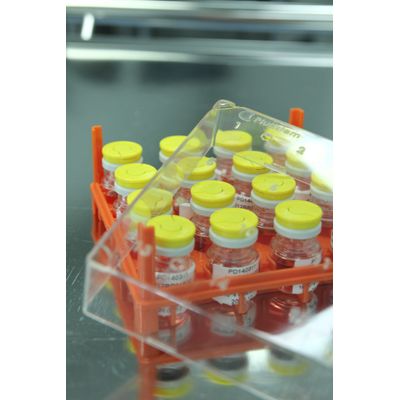
Pluristem - Cells Exhibit Regenerative Potential
PLX-PAD cells exhibit regenerative potential due to their capacity to release factors in response to chemical distress signals from tissues that have been damaged by muscle trauma or inflammation. These therapeutic factors trigger the body’s repair mechanisms and stimulate tissue renewal, differentiation and modulation of immune-mediated inflammation. PLX-PAD cells also modulate the immune system, which plays a central role in the body’s response to injuries.
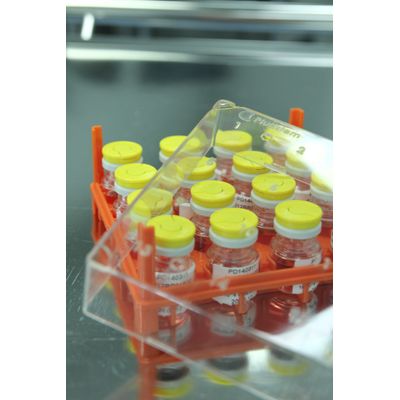
Pluristem - Cells Release Combination of Therapeutic Protein
PLX-R18 cells release a combination of therapeutic proteins in response to a damaged or poorly functioning hematopoietic system; this system creates the blood cells that protect us from infection, uncontrolled bleeding and anemia. PLX-R18 is currently in a Phase I clinical trial to treat incomplete hematopoietic recovery following Hematopoietic Cell Transplantation (HCT) and in development to treat Acute Radiation Syndrome (ARS).
Pluristem - Cells for Tumor Necrosis Factor Alpha (TNF-a) and Interferon-Gamma (IFN-g)
PLX-Immune are cells that have been induced with tumor necrosis factor alpha (TNF-a) and interferon-gamma (IFN-g), to transiently alter their secretion profile. The product has been evaluated in pre-clinical studies and a peer-reviewed article in the journal Scientific Reports, from Nature, was published which examined the effect of the cells in over 50 lines of human cancerous cells. The results showed that PLX-Immune cells exhibited an anti-proliferative effect on 45 percent of the tested cancer cell lines, with a strong inhibitory effect on various lines of breast, colorectal, kidney, liver, lung, muscle and skin cancers. Comprehensive bioinformatics analysis identified common characteristics of the cancer cell lines inhibited by PLX cells. This knowledge could potentially be used in the future for screening patients’ tumors to identify those patients most likely to show a positive response to treatment with PLX cells.