


Precision Ceramics USA. products
Medical Industry
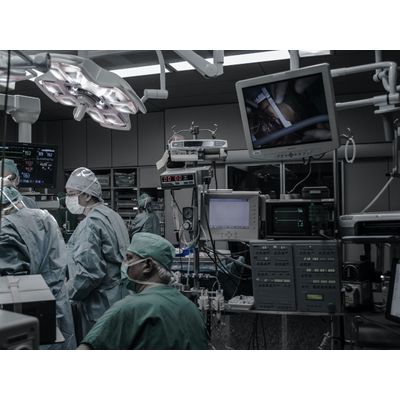
Ceramics for Medical Instruments
Ceramic is an ideal material to use for high performance products as it has superior dimensional stability, strength and hardness. Parts made from ceramic are resistant to extreme heat, physical and chemical wear and corrosion during processing. This ensures that they meet tough approval standards and can be used in many processes including applications in Aerospace, Medical Equipment and General Industrial applications. High quality ceramic parts can be designed and produced to meet the individual needs of customers. These can be produced to meet high specifications using unique materials that are also moisture resistant with zero porosity and non-outgassing. Precision Ceramics provides components and sub-assemblies such as connectors, terminals, standoffs, and other insulators that gives performance potential and long life prepared with plastics and other organic materials.
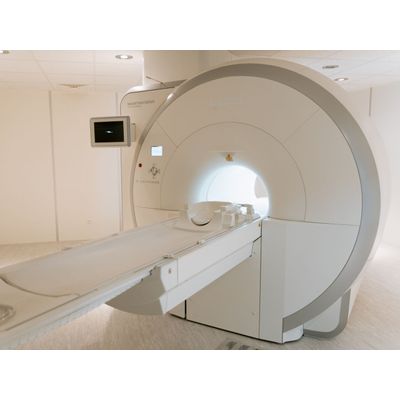
Ceramics for MRI Scanners
It’s a well-known fact that ceramics are amongst the most electrically insulating materials known. Strangely enough they can also be the most electrically conducting. Over the years, the discovery of high temperature ceramic superconductors has changed superconductivity from an interesting curiosity into a useable technology with significant applications in the medical fields. Magnetic resonance imaging (MRI) has become a common and important life-saving diagnostic tool in recent times and is used in radiology to investigate the anatomy and physiology of the body in both health and disease. MRI scanners use strong magnetic fields and radio waves to form images of the body. The technique is widely used in hospitals for medical diagnosis, staging of disease and for follow-up without exposure to ionizing radiation.
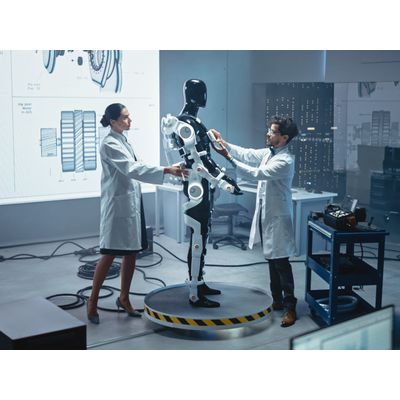
Ceramics for In-Body Devices
Bioceramics are used in biomedical applications, ranging from medical implants to biomedical pumps. Ceramic materials have been produced for custom practices for centuries, but now they are more of a modern development in medical processes and applications. For decades now there has been a considerable increase in the use of ceramic materials for implant devices. Bioceramics are mainly used for bone, teeth and other medical applications including knee joints, shoulders, phalangeal joints and spinal implants. They are an exceptional material for use in medical implants because of their wear resistance and a long lifetime combined with biocompatibility.