


- Home
- Companies
- Prima Lab SA
- Products
Prima Lab SA products
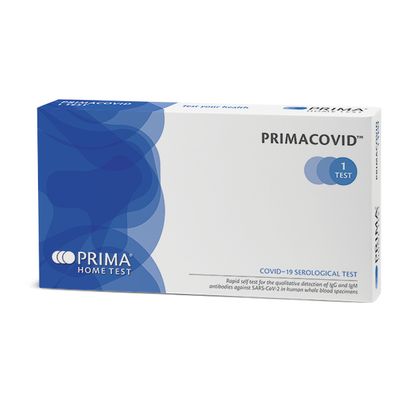
COVID-19 Serological Test
COVID-19 Serological Test is a rapid device which allows to verify the presence of IgG and IgM antibodies against SARS-CoV-2 in blood samples, produced after a past infection. The test doesn’t detect the presence of antibodies after vaccination, as opposed to the COVID-19 Neutralising IgG Serological Test, specifically developed with this intended use.
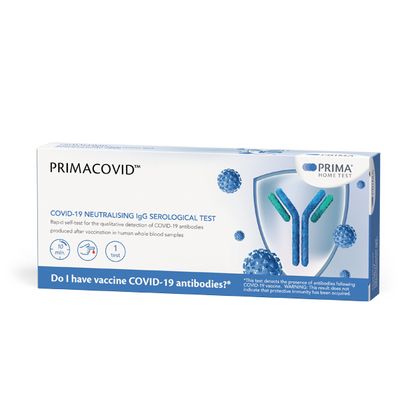
COVID-19 Neutralising IgG Serological Test
COVID-19 Neutralising IgG Serological Test is a rapid device which verifies the presence of COVID-19 neutralising IgG antibodies in human blood samples produced after the end of the vaccination cycle.
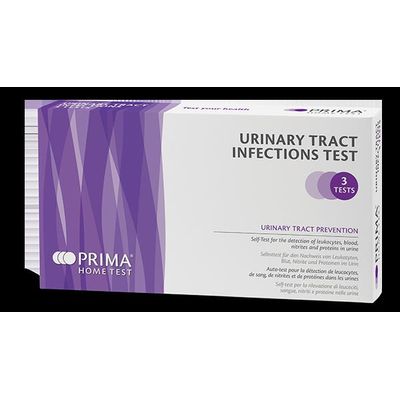
Urinary Tract Infection Test (3 tests)
The Urinary Tract Infections Test (UTI) is thought to be performed at home and allows to verify the presence of leukocytes (white blood cells), blood, proteins and nitrite in urine. Abnormal levels of these parameters within the urine are often symptoms of urinary tract infections.
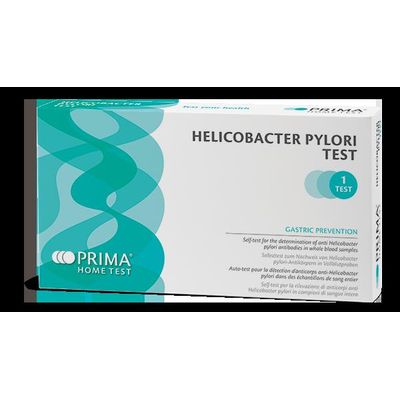
Helicobacter Pylori Test
The Helicobacter pylori Test identifies the presence of specific antibodies against the bacterium Helicobacter pylori (Hp). These are normally absent in individuals who have not previously contracted Hp infection. Here there are the common symptoms of H. pylori presence:
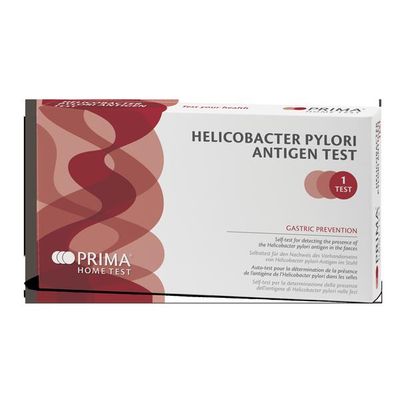
Helicobacter Pylori Antigen Faecal Test
Helicobacter pylori is a bacterium whose ideal habitat is the human gastric mucosa. The infection is often asymptomatic, but it can sometimes cause gastritis and ulcers in the stomach or in the duodenum segment of the small intestine. The most common symptoms of these conditions are heartburn or pain in the upper part of the abdomen, especially if fasting or in the early morning, when the stomach is empty. Other associated symptoms include nausea, satiety, reflux, loss of appetite, burping, weight loss and diarrhoea. Ulcers can sometimes bleed, causing anaemia over long periods of time. In the long term, Helicobacter pylori infection is associated with an increased risk of gastric cancer. The search for Helicobacter pylori specific antigens in faeces is a valid and non-invasive method to rapidly identify an infection.
Prima Home - COVID-19
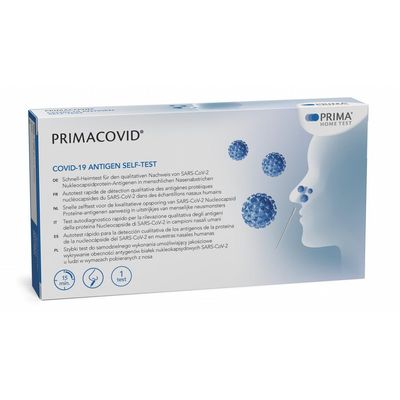
Primacovid - Model 200063-1 - COVID-19 Antigen Self-Test
Rapid self-test for the qualitative detection of SARS-CoV-2 Nucleocapsid protein antigens in human nasal specimens. Inserted in the rapid self-test swabs list for the Emilia Romagna region, Italy.
Prima Home - Check-Up
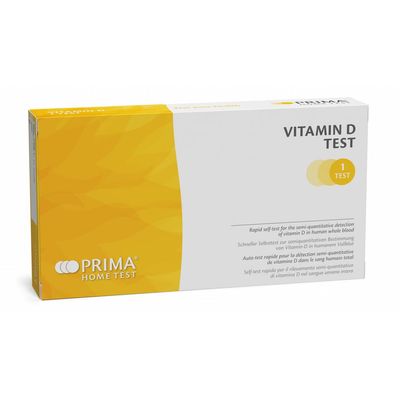
Prima Home - Model 100066-1 - Vitamin D Test
Rapid self-test for the semi-quantitative detection of vitamin D in human whole blood. Vitamin D belongs to a group of fat-soluble secosteroids responsible for increasing the intestinal absorption of calcium, iron, magnesium, phosphate and zinc. Blood concentration of vitamin D is considered the best indicator of the level of vitamin D in the body. Nowadays, vitamin D deficiency is recognized as a worldwide epidemic. This has been linked to several severe diseases: osteoporosis, osteomalacia, cardiovascular diseases, complications in pregnancy, diabetes, depression, autoimmune diseases, flu, infectious diseases and more. For this reason, the detection of vitamin D levels is now considered as a “medically necessary screening test”.
Prima Home - Infectivology
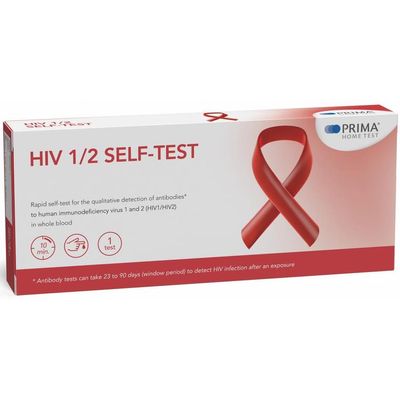
Prima Home - Model 800062-1 - HIV 1/2 Rapid Self-Test
Rapid self-test for the qualitative detection of antibodies against human immunodeficiency virus 1 and 2 (HIV1/HIV2) in whole blood. Human immunodeficiency virus, or HIV, is a pathogen that attacks and suppresses the immune system by specifically affecting white blood cells. The virus can be transmitted (a) sexually – through unprotected sex, (b) with blood – for example through the exchange of syringes – and (c) vertically – from mother to child during pregnancy, at birth and, more rarely, through breastfeeding.
Prima Home - Fertility
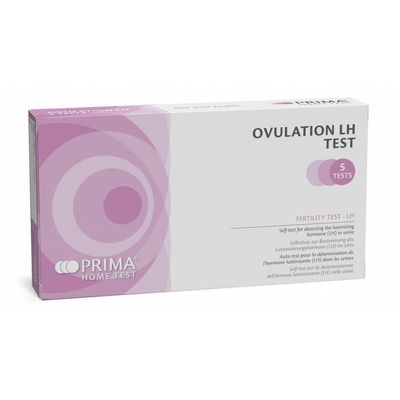
Prima Home - Model 820050-5 - Ovulation LH Test
Self-test for the detection of luteinizing hormone (LH) in urine. Ovulation is the term for the process that usually occurs between the 12th and 16th day of a regular 28-day menstrual cycle. During this process, hormonal changes activate the ovary to release a fertilizable egg. The closer you are to ovulation, the more the body produces an increasing amount of estrogen, which triggers a sudden increase in another hormone, called luteinizing hormone (LH), the peak of which causes the follicle to rupture and the consequent release of the mature egg, ready to be fertilized. Ovulation usually occurs between 24 and 36 hours after the LH surge. For this reason, monitoring LH levels in urine is a great indicator for predicting the time of maximum fertility for a woman.
Prima Home - Gastrointestinal Disorders
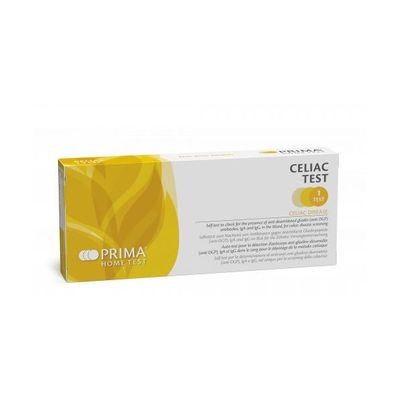
Prima Home - Model 100077-1 - Celiac Test
Self-test for the detection of anti deamidated gliadin (anti-DGP) antibodies, IgA and IgG, in blood, for celiac disease screening.