


- Home
- Companies
- SYnAbs S.A.
- Products
SYnAbs S.A. products
Singular mAb

SYnAbs Rat-LOU Monoclonal Antibodies
When you perform intraperitoneal injection of hapten or highly homologous antigens in mouse species, most of the time your project is going to fail. Due to poor immunogenic properties and low molecular weight, your antigen is going to be eliminated in animal urine without generating any humoral immune response. That`s why we`ve created SynAbs in the first place, based upon an exclusive asset: the rat-LOU species and rat-LOU IR983 myeloma cell line, developed in 1983 by Hervé Bazin in Catholique University of Louvain-la-Neuve (UCL).
Custom Monoclonal Antibody Development
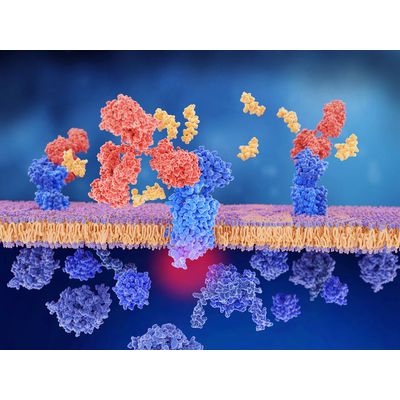
Transmembrane Proteins Effector Monoclonal Antibodies
Transmembrane proteins are probably the most complex and challenging antigens to target with monoclonal antibodies. Indeed, despite their strong presence in the animal kingdom and their implications in many cellular mechanisms, they remain very difficult to access due to intrinsic properties.
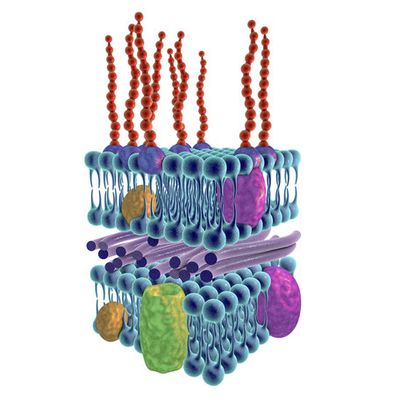
Carbohydrate Antibodies
Polysaccharides and carbohydrates can be classified on the basis of their monomer composition. It is so usual to distinguish between homo and hetero polysaccharides, depending on whether they have one or more monosaccharide units. Glucans are polymers of D-glucose (a.k.a. dextrans), galactans are polymers of D-galactose and xylans of D-xylose polymers. Chitosans are polymers of D-glucosamine.
Epigenetic Antibodies
The histone H3 of certain tumors is methylated at the level of a lysine in an area which is highly conserved and identical in humans and mice. Volition company initially worked with a polyclonal but with the specificity problems that this entails. After several unsuccessful attempts to obtain a monoclonal antibody directed against this methylated lysine in mice and rabbits, Volition then entrusted this work to Synabs to try to obtain a monoclonal in rat species. Final obtained rat mAbs make the difference between methylated and non-methylated lysine on histone DNA. An immuno-assay has been consequently developed under NuQ brand and is now marketed.
Primary Monoclonal Antibodies
Model CCR8 - GPCR - Therapeutic Treg Depleting Chemokine Receptor - Antibodies
hCCR8 expression on HuT-78 cell line: In black : GAM AF488. Mean Fluorescence 3300. In red: mAb Biolegend + GAM AF488. Mean Fluorescence 13700. In blue: SynCCR8 + GAM AF488. Mean Fluorescence 48300.
Model C3aR - GPCR - Therapeutic Blocking Anaphylatoxin Receptor - Antibodies
hC3aR expression on the immunocompetent rat cell line. In black: non transfected rat cell line with a mean fluorescence of 4400. In red: stably transfected rat cell line with a mean fluorescence of 563000. Labelling: anti hC3ar Biolegend + GAM AF488.
Secondary Monoclonal Antibodies - Anti-Mouse Antibodies

SYnabs - Model LO-MM-3 - IgM Kappa Rat Anti-Mouse Mu Heavy Chain
Description: IgM kappa rat anti-mouse heavy chain. Class: monoclonal. Type: secondary. Antigen: mouse heavy chain. Cross-reactivity: Does not bind to rabbit, swine and human IgG. Host/Isotype : rat/IgM kappa.

Model MARK-1 - IgG1 kappa Mouse Anti-Rat Kappa Light Chain
Description : IgG1 kappa Mouse anti-rat kappa light chain. Class: monoclonal. Type: secondary. Antigen: rat kappa light chain. Host/Isotype : mouse/IgG1 kappa.
Secondary Monoclonal Antibodies - Anti-Rat Monoclonal Antibodies

SYnabs - Model MARK-1 - Anti-rat Monoclonal Antibodies
Description : IgG1 kappa Mouse anti-rat kappa light chain, Class: monoclonal, Type: secondary, Antigen: rat kappa light chain, Host/Isotype : mouse/IgG1 kappa,