


Tempo Bioscience, Inc products
Induced Pluripotent Stem Cells (IPSC)
Model Tempo-iAstro - Human iPSC-derived Astrocytes
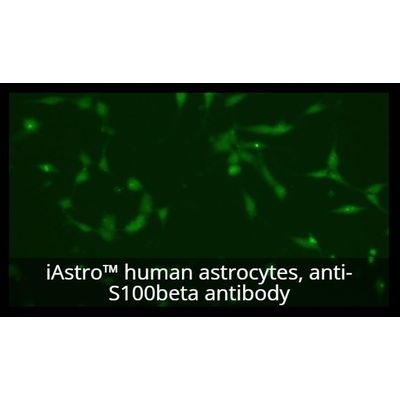
Astrocytes, also known as Astroglia, belong to the family of glial cells in the human central and peripheral nervous system. They have been shown to have central roles in the maintenance of neuronal metabolism and neurotransmitter synthesis. They have been implicated in many human neurodegenerative disorders such as multiple sclerosis, amyotrophic lateral sclerosis (ALS), Alzheimer’s disorder, Huntington’s disease and Parkinson’s disease. Tempo’s iAstro™: human iPSC-derived astrocytes are derived from integration-free induced pluripotent stem cell (iPSC) lines under a fully defined proprietary neural induction condition. Tempo’s iAstro cells are polarized structures when plated as a monolayer in culture and express astrocyte markers, GFAP, EAAT1, Aquaporin family genes, and S100beta, and they exhibit calcium wave activities (see figures shown above).

Model Tempo-iBMEC - Human iPSC-derived Brain Microvascular Endothelial Cells
Blood Brain Barrier (BBB) is an important feature of the cerebral vasculature. Cells that form the barrier are called Brain Microvascular Endothelial Cells (BMECs). The barrier regulates the transport of molecular chemicals (including metabolites) and cells between the brain and blood. The barrier’s functionality is conducted via specialized groups of tight junction proteins and transporters. Found in diseases like Multiple Sclerosis, Alzheimer’s, Parkinson’s, Epilepsy, and stroke, the delicate balance between brain and blood is perturbed and BBB dysfunction can play a significant role in the disease progression.
Model Tempo-iCardio - Human iPSC-derived Cardiomyocytes
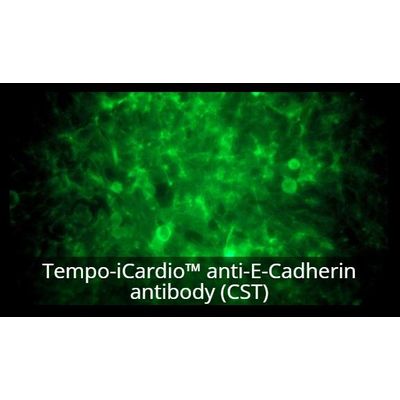
Cardiomyocytes are cardiac muscle cells. They are terminally differentiated and facilitate contractile forces (“beatings”) of the heart. Grown in vitro as a monolayer sheath, cardiomyocytes are connected by gap junction proteins that help synchronize contraction-relaxation cycles of the cardiomyocytes. Cardiomyocytes may be used in various in vitro or in vivo studies; transplantation into normal or diseased systems; cardiac toxicology studies; or cardiovascular developmental studies. Cardiomyocytes have a high mitochondrial density, which allows them to produce adenosine triphosphate (ATP) quickly, making them highly resistant to fatigue.