Ecomondo 2025
Ecomondo is the international benchmark for ecological transition and the circular economy: the 28th edition promises to exceed all expectations with a program full of innovations, visionary projects, and unmissable opportunities for companies, start-ups, researchers, innovators, and policymakers. Ecomondo is the key event for green and circular economy. It is the meeting place where industrial groups, stakeholders, policy makers, opinion leaders, local authorities, research bodies and institutions come together and put in place the key elements that define the strategies for the development of EU environmental policy.
INNOVATION, NETWORKING, CONFERENCES
Get into the international ecosystem of the ecological transition
Ecomondo is the key event for green and circular economy.
It is the meeting place where industrial groups, stakeholders, policy makers, opinion leaders, local authorities, research bodies and institutions come together and put in place the key elements that define the strategies for the development of EU environmental policy.
- 103,000 Attendees
- 120 Countries involved
- 165,000 SQM of exhibition area
- 1,700 Exhibitors
Get ready to explore the circular economy and discover innovative green technologies that will support your sustainable development initiatives!
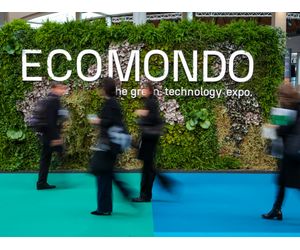
The ecological transition is not only a challenge but also a priority for creating a sustainable and fair future.
Ecomondo plays a vital role in this transition by showcasing innovations, sharing insights, and providing news, along with special meetings featuring individuals who are shaping the future with their ideas.
Our commitment to promoting best practices and new sustainable technologies continues throughout the year.
Research and Innovation are for All
There are different ways to join EcomondoAre you a researcher? Do you have a start-up or an innovative sustainable development project?
This event welcomes participation from all experts in ecological transition.
Browse through and find out how to participate.
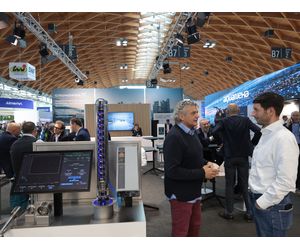
Ecomondo 2025 is not just an event, but a global platform to create new alliances, explore opportunities, and shape the future.
From workshops to panel discussions with leaders of the circular economy, every participant will, as has been the case for 28 years, have the chance to be inspired, learn, and contribute to the transformation of our planet.
As every year, the event renews and evolves its exhibition offering. Ecomondo addresses cutting-edge topics, applying them to both the industry showcase and the conference program.
For its 28th edition, the event is structured into major thematic areas: from waste valorisation, to the regeneration of soils and agro-forestry and food ecosystems; from bioenergy to the use of waste as secondary raw materials. It also includes the entire integrated water cycle, environmental monitoring, and the protection of marine and aquatic environments — as well as topics such as space, satellite monitoring, precision agriculture, and smart cities.
Additional exhibition halls are dedicated to vehicles and components for waste handling, lifting, collection, and transport, including SAL.VE, the biennial expo of ANFIA, associations of companies from the ecological vehicle sector.
Six vertical districts complete the offering, with a focus on the textile and paper supply chains, trenchless technologies, sustainable cities, and startup-driven innovation.
Click on the sector that interests you to learn more:
The Waste as a Resource sector encompasses a significant area of the event. Several pavilions are dedicated to waste management and recovery - urban and otherwise - featuring numerous exhibitors and specialized conferences.
This is the ideal venue for discussing future scenarios, implementation policies, and best practices, as well as discovering the latest advancements in technologies and products.
This sector is designed for professionals seeking solutions for responsible waste management, with a focus on achieving goals related to self-sufficiency, decarbonization, energy transition, and the efficient, circular use of resources.
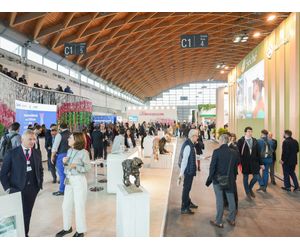
Multinationals, companies, SMEs, and consortia that develop and design technological solutions and services aimed at the recovery and recycling of all types of waste originating from packaging materials: plastic, glass, aluminum, steel, wood, paper, and cardboard, as well as waste oils, end-of-life tires, WEEE (waste electrical and electronic equipment), batteries and accumulators, and textiles.
Specifically, this includes:
- Facilities for the recovery of industrial and urban waste, both pre- and post-consumer
- Waste management companies and integrated waste management services
- Processors and eco-friendly products
- Environmental communication, consulting, and certification
- Consortia and trade associations, mono- and multi-utilities
- Software houses and digitalization services
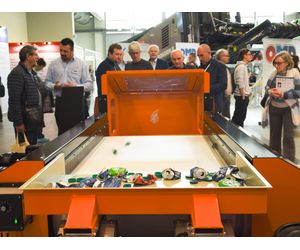
Valorisation and integrated waste management
Recovery, valorisation and integrated management, materials and products from recycling, software and digital services. Given the need to rethink production cycles from a circular economy perspective, we need to find technical solutions to make the best use of waste and industrial residues by increasing the efficiency of manufacturing processes, opening up new recovery options and placing on the market the secondary raw materials that meet the manufacturing industry’s ever-increasing needs (alongside the supply sources of virgin raw materials).
Waste handling and lifting solutions
Machinery and equipment for handling, lifting materials, organic and inorganic waste, goods and people. The entire industrial chain represented by the leading companies in lifting and handling waste, crushing and all demolition equipment, plants for recycling aggregates, C&D and road materials and their reuse will be on show.
Collection and transport containers and services, logistic
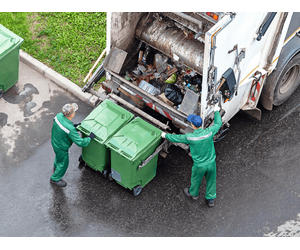
Trucks, tractors, trailers, vehicle bodies and containers, spare parts and accessories, digital services and transport logistics, light commercial vehicles. The halls will showcase the most important technological innovations, patents and market leading innovations in the field of municipal hygiene vehicles, the collection and disposal of solid and liquid waste, well and hazardous waste tanks, as well as the entire production range of industrial and/or special vehicles for the collection, transport and disposal of solid and liquid waste.
Waste treatment, waste disposal, technology and components
Mechanical treatment and selection: equipment and plants, evaporators, filters, presses, separators, shredders and screens. A special focus will be devoted to equipment and technologies for the selection and recovery of ferrous and non-ferrous scrap and the preparation for trade, the treatment of special and hazardous waste, the recovery and treatment of WEEE, end-of-life vehicles and end-of-life tyres.
Discover the latest innovations in water resource systems right here
The Water Cycle sector, together with the Blue Economy district, is located in the East area of the Rimini exhibition center, featuring a dedicated section that welcomes both industries and focused conferences.
This expansive zone centers on the sustainable use of water resources, showcasing the entire water cycle - from conservation to monitoring - across various sectors.
It is the go-to hub for experts seeking innovative solutions to tackle the challenges posed by climate change and evolving regulations aimed at protecting urban and natural systems through effective water management.
Starting in 2025, the Trenchless District will be integrated into the area dedicated to the water cycle, with the aim of strengthening synergies with themes related to the sector, while creating a more coherent exhibition path for visitors.
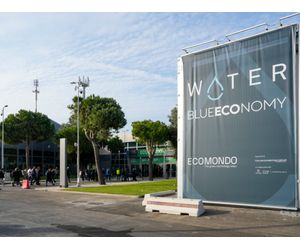
At Ecomondo Water, you will meet companies, organizations, public administrations, and consortia dedicated to water management across multiple sectors.
Specifically, this includes experts and providers specializing in:
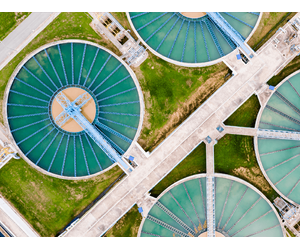
- Water treatment, purification, and desalination plants
- Reuse of wastewater and rainwater
- Treatment, recovery, and disposal of sludge from purification
- Design and management of urban, agricultural, and industrial purification plants
- Processes, products, and systems for water treatment and purification
- Industrial process and wastewater treatment
- Pipelines, valves, fittings, and related infrastructure
- Sustainable urban drainage systems, manholes, and other structures
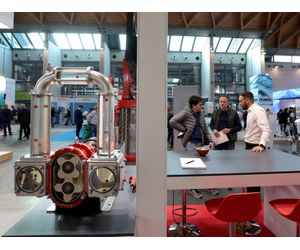
- Pumps, turbines, inverters, and controllers
- Monitoring systems and solutions for energy and environmental efficiency
- Meters, sensors, data management, and remote control systems
- Water stations and domestic water purifiers
Circular Economy
Water through the lens of efficiency, sustainable energy recovery, and reuse within the national and European landscape.
Regulation
Water systems shaped by more efficient governance models, quality standards, investments, tariffs, taxes, and subsidies across Italy and Europe.
Agriculture
Water in treatment, reuse, and efficient irrigation in light of the new European Union regulations.
Health
Water safety plans, along with the analysis and management of health and environmental risks in water use and reuse.
Activities of the sole extraordinary commissioner for purification in Italy
A clear vision to accelerate the design and implementation of collection, sewerage, and treatment infrastructure projects.
Integrated management of water and urban waste
A section that starts at the very core of Ecomondo.
Digital solutions
Data analysis to support decision-making for improved efficiency, technical quality, and economic and environmental sustainability.
The area dedicated to bioenergy is closely connected to the world of agriculture - both are represented within Ecomondo Bioenergy & Agriculture sector.
This is where the tangible transformation to circular, bio-based production comes to life, showcased by leading exhibitors and explored in depth through a rich programme of conferences and workshops. Here, you can dive into the bioeconomy value chain, stay updated on the latest technologies for valorizing agricultural and organic waste, and learn more about biogas and biomethane production.
This sector attracts a diverse and specialized audience: from agricultural professionals and service providers to engineers, consultants, and decision-makers from across industry and public administration. Research centres and institutions are also active participants in this vital space.
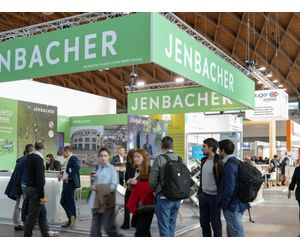
Numerous leading companies both nationally and internationally are involved in this sector. These include major players specializing in agroecology, biomass, and organic waste from agricultural and forestry sources.
Multinationals, companies, and SMEs operating in areas such as:
- Anaerobic digestion
- Plants and components for biogas production
- Plants and components for biomethane production
- Biogas cogeneration
- CO2 recovery
- Liquefaction technologies
- Biomass plants
- Equipment, components, and products for biomass energy
- Other biofuels and bio-combustibles
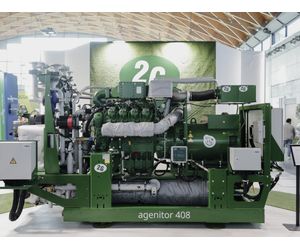
Consorzio Italiano Biogas (Italian Biogas Consortium – CIB) is the first national voluntary association representing Italy`s agricultural biogas production sector. Currently, CIB members include more than 830 farms producing biogas and biomethane and more than 200 industrial companies supplying plants, technologies and services for biogas and biomethane production. CIB is one of the founding members of EBA - European Biogas Association, a partner of Gas for Climate.
CIB has gathered the experience and best practices of its members—who over the years have become true environmental stewards in their regions and key drivers of the transition toward virtuous models of circular economy—into the project “Farming for Future – 10 Actions to Cultivate the Future.”
This initiative serves as a roadmap for those who wish to contribute to the agroecological transformation of Italian agriculture.
The project aims to be an open platform for sharing best practices and fostering dialogue with everyone committed to supporting and promoting the agroecological transition.
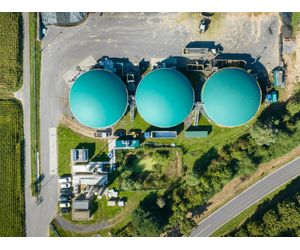
The Circular & Regenerative Bio-Economy sector promotes a shift from simple "reduction" to deeper regeneration.
Ecomondo is the place to explore new technologies, discover innovations, and discuss strategies to restore the health and resilience of land, seas, and their ecosystems, ensuring high-quality products and services.
This area is a true point of reference for industries, companies and organizations involved in regenerative economy and bio-economy processes. It focuses especially on renewable-based chemistry (bioproducts, bioplastics), ecodesign of products and processes, and repair services.
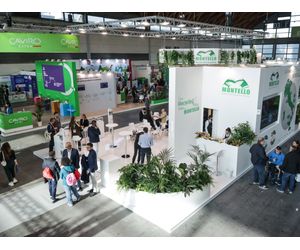
Meet the Bio-Economy key players
The supply chain features companies that are active, develop technologies, and carry out research in the following fields:
- organic fraction of municipal solid waste
- biopolymers, bioplastics, and producers or processors of materials derived from organic waste — including both small and large biorefineries
- best practices and best projects in circularity, sustainability, and the circular economy
- consulting services, certification bodies
- companies that produce energy from organic waste
- the entire chain involved in food waste management
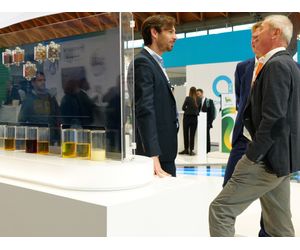
Sites & soil restoration is the Ecomondo sector dedicated to remediation technologies and the management of contaminated sites.
In partnership with leading industry players, the area hosts companies involved in decommissioning activities aimed at the reuse of brownfields, abandoned industrial sites, and degraded urban areas — where rehabilitation and repurposing have become a crucial challenge.
If you’re a professional working with companies and technologies focused on prevention systems for hydrogeological risk, climate-related risks, floods, or coastal erosion, this is the exhibition space you need to explore.
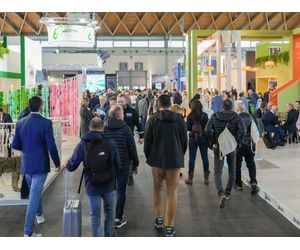
Multinationals, companies, SMEs involved in:
- remediation and regeneration of contaminated sites;
- reducing land consumption, redevelopment and reuse of brownfield sites;
- environmental damage prevention and emergency response.
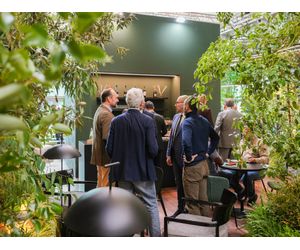
A sector with a dual exhibition focus, showcasing the latest in innovative solutions and cutting-edge research. Scroll down to learn more.
An exhibition area focused on the acquisition of satellite data for environmental monitoring, biodiversity tracking, and agroforestry production analysis. This sector also includes research applied to food, health, and pharmaceutical fields, as well as the discovery of new materials.
At Ecomondo, you can explore the latest satellite monitoring technologies, which, combined with big data and AI models, offer powerful tools to address climate change — with particular attention to hydrogeological instability, the protection of green areas, soil, water resources, and urban health.

Alongside earth observation, this monitoring & control section showcases companies offering instrumentation, analysis, and consulting in the fields of environment, food, and materials.
Exhibitors provide solutions to create, upgrade, or manage chemical laboratories — including dedicated software and management systems — as well as tools for monitoring landfills, composting and biogas plants, and services for remediation, asbestos management, and assessments of air, water, food, waste, and sludge quality.
Beyond soil, you’ll discover technologies for air emission analysis, environmental forecasting, and occupational safety. Also featured: global service providers, maintenance, calibration, and spare parts for measurement equipment and systems.
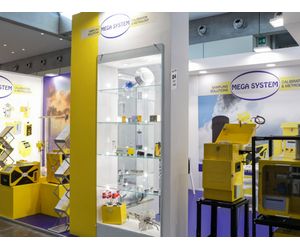
Walk through the sector and grow your network with exhibiting companies:
- regulatory and control bodies
- chemical, materials, and clinical laboratories
- manufacturers of monitoring systems and analytical instrumentation
- engineering firms
- environmental consultants
- research centers
- RSPP, HSE, and RLS managers
- representatives from a wide range of industrial sectors
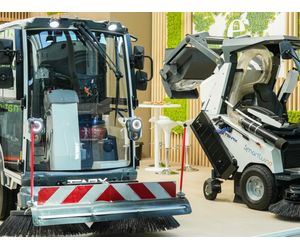
Returning in 2025: SAL.VE.
This biennial event, organized in partnership with ANFIA, showcases the full range of industrial and special vehicle equipment for waste collection and street sweeping.
Ecomondo and ANFIA | YTogether for Sal.ve
The National Association of the Automotive Industry Supply Chain – ANFIA represents a leading example of Italian manufacturing excellence in the production of equipment for the collection and transport of solid, liquid, and hazardous waste, sewage cleaning, and street sweeping.
Not only an exhibition of macro areas, but also featuring special content.
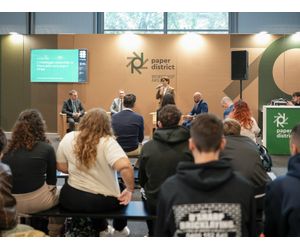
These are true thematic districts, including the Textile District and the Paper District, which involve vertical supply chains in the waste-as-resource sector.
Visit Ecomondo districts
In addition to the seven main thematic areas, there are six vertical districts designed to showcase the latest technologies in Blue Economy, circular and sustainable cities, paper and textiles, and the newly introduced Trenchless area.
These are joined by the Innovation District, a dedicated space for the future of innovation, featuring thirithy selected start-ups and a special program focused on green jobs.
The exhibition offering evolves each year within the sectors and districts to address current and emerging topics, bringing them into both the industrial showcase and tconference program.
The topics featured in the conference program are carefully designed to offer a comprehensive overview of the sectors and thematic districts represented at Ecomondo.
Visitors attending the event can rely on content meticulously selected by the Scientific Technical Committee to ensure high-quality, innovative, and internationally relevant insights.
Alongside these structured topics, the strategic, open and participatory process of the States General of the Green Economy takes place, involving the main stakeholders of Italy’s green economy.
The macro themes included:
- Innovative solutions for industrial and municipal waste prevention and integrated exploitation and circular resources management;
- Water-resilient infrastructures in a changing climate: strategies and innovation actions;
- Sustainable and regenerative bioeconomy for the soil, hydrosphere and biodiversity health, climate change adaptation and productivity;
- Earth Observation Technologies to improve prevention, monitoring and management of environmental risks and extreme events;
- Scenarios and Evolutions of Green/Blue and Digital Transition in the Mediterranean and African countries;
- Green, climate, biodiversity finance.