


- Home
- Companies
- Terracon Consultants, Inc.
- News
- Black History Month - African American ...
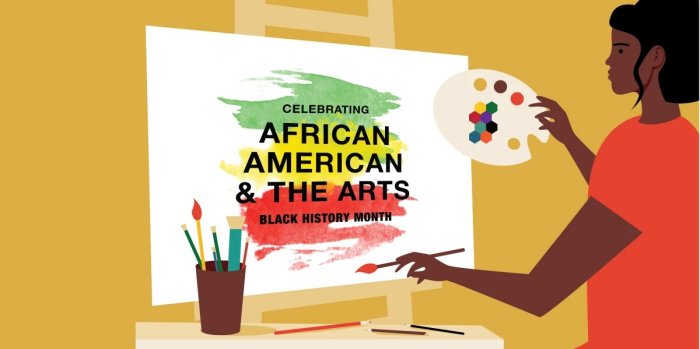
Black History Month - African American and the Arts
Unmasking Racial Disparities in Medical Illustrations
Better Patient Outcomes Through Better Representation
Medical illustrations play a crucial role in educating healthcare professionals and the public about the intricacies of the human body and various medical conditions. However, an issue that often goes unnoticed is the pervasive racial disparity in these illustrations. The lack of diversity in medical imagery not only perpetuates stereotypes but also contributes to disparities in healthcare outcomes.
Think about the last time you saw a medical illustration in a textbook, pamphlet, or online resource. Chances are, the images predominantly featured white individuals, perpetuating the notion that the default human body is Caucasian. This underrepresentation of diverse racial and ethnic groups can have serious consequences, both in the medical field and in society at large.
Beyond medical education, the lack of diversity in medical illustrations can contribute to healthcare disparities. Patients from different racial and ethnic backgrounds may not see themselves reflected in educational materials, potentially leading to a lack of understanding or mistrust of medical information. This can impact communication between healthcare providers and patients, hindering effective care and contributing to health disparities.
Medical education relies heavily on accurate and inclusive visual representations to train the next generation of healthcare professionals. When illustrations primarily showcase one racial or ethnic group, it can lead to biased perceptions, reinforcing stereotypes and potentially compromising patient care. For example, if a medical student is predominantly exposed to images of conditions of white skin, they may struggle to recognize the same conditions in patients with darker skin tones.
Recognizing the importance of representation, advocacy groups and healthcare professionals are calling for a more inclusive approach to medical illustrations. The push for diversity extends beyond skin color to include variations in body shapes, sizes, and features that accurately represent the rich tapestry of human diversity.

Diverse Collaboration
Encouraging collaboration among artists, medical professionals, and researchers from diverse backgrounds can lead to more accurate and inclusive medical illustrations.
Education and Awareness
Medical institutions and publishers should prioritize educating professionals about the impact of racial bias in medical imagery. Increased awareness can drive change from within the industry.
Inclusive Research
Medical research should actively seek to include diverse populations in studies, ensuring that findings and illustrations accurately represent the spectrum of human experiences.
Community Involvement
Engaging with communities and patients during the illustration creation process can provide valuable insights, ensuring that the final product is culturally sensitive and representative.
As we strive for a more equitable and inclusive society, addressing racial disparities in the illustrations that inform not only doctors but everyone who conducts an internet search trying to get an answer to their medical question, is a crucial step. By promoting diversity in visual representations, we can contribute to a more comprehensive understanding of health and well-being for people of all racial and ethnic backgrounds. Representation matters, not just in words but in the images that shape our perceptions of health and medicine. It’s time to redefine the visual narrative in healthcare and ensure that everyone sees themselves reflected in the illustrations that educate and inform.
In honor of the 2024 Black History Month theme: “African Americans and the Arts” we will highlight the artists and the groups that are working for positive change in addressing these disparities. Stay tuned to our social media feeds to see the work of these exemplary artists and see the positive impact they are making in the field of medical illustration.