

Veersing Effect - How Intra-Oral Scanners Introduce Errors in Edentulous Jaws and Flat Planes
Dentate cases can introduce errors in your models due to refraction, reflection, and light transmission right through enamel. The asymmetric tooth morphologies can help your scanner stay on track.
Flat/edentulous plane/ridges introduce a whole other set up challenges. The main one being the Veersing Effect where scanners incorrectly plot data where it doesn’t belong. This is reproduceable with VERY scanner on the market, which is a clear indication that the scanner is not the culprit but the object we are scanning is.
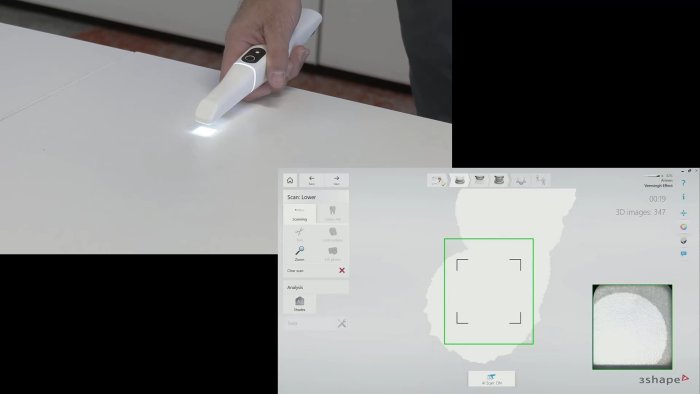
In this video i showcase how these errors are introduced and how you can try and reduce them. The key points are to capture as much asymmetic data as possible. This means using the correct implant suprastrucutes but also trying to fit distinct objects within a single frame/shot.
not debating photogrammetry vs ios in edentulous jaws here. Just demonstrating how we introduce errors and how we can reduce them. if you look around at all the adjunct components that are in the market for ios scans is to reduce the edentulous spans. the longer the edentulous span, the more likely you are to introduce errors.