


- Home
- Companies
- Firefly Neuroscience, Inc.
- Products
- Firefly Neuroscience - Brain Network ...
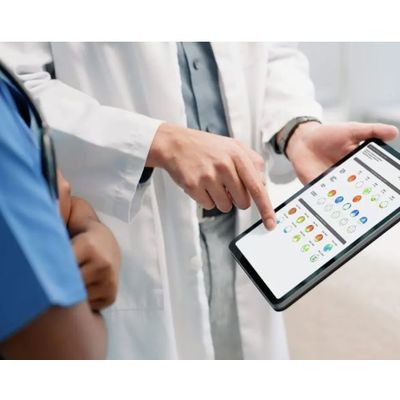
Firefly Neuroscience - Brain Network Analytics (BNA™) Technology for Neurological Diagnostics and Treatment
Firefly Neuroscience's Brain Network Analytics (BNA™) offers an innovative approach to neurological diagnostics and treatment. Utilizing a vast proprietary database of more than 77,000 EEG scans across twelve disorders, BNA™ leverages advanced AI to facilitate early detection of subtle neurological anomalies. This technology enables the development of personalized treatment plans, significantly enhancing patient outcomes. BNA™ provides healthcare professionals with comprehensive insights into electrophysiological deviations, aiding the identification of underlying neurological issues related to cognitive concerns and reducing misdiagnosis risks. Its automatic cloud-based analysis and intuitive data visualization streamline clinical workflows, optimizing patient care while saving time and resources. BNA™ operates by collecting EEG data, processing it with advanced signal techniques, and analyzing it using AI to provide clinicians with detailed reports and insights, ultimately enhancing clinical decision-making, personalized care, and continuous treatment adjustment.
THE TECHNOLOGY POWERING FIREFLY NEUROSCIENCE
At Firefly Neuroscience, we’ve transformed neurological diagnostics and treatment with our Brain Network Analytics (BNA™), utilizing our robust, proprietary database of over 77,000 EEG scans across twelve disorders. Our advanced AI enables early and accurate detection of subtle neurological deviations, facilitating personalized treatment plans and significantly improving outcomes.
BNA™ technology is a sophisticated system that combines advanced signal processing, big data analytics, and artificial intelligence to analyze electroencephalogram (EEG) data with unprecedented accuracy and depth.
Data Collection:
The process begins with the collection of EEG data using BNA™ tasks. EEG electrodes are placed on the patient’s scalp to measure electrical activity in the brain, capturing neural signals in real-time.
Signal Processing:
The raw EEG data is processed through Firefly’s advanced signal processing techniques to prepare it for analysis.
Big Data Analytics:
The processed EEG data is then compared against our FDA-cleared normative age-matched database. This database serves as a reference point, allowing our BNA™ algorithms to identify subtle deviations and abnormalities in the patient’s brain activity.
AI Analysis:
BNA™ employs state-of-the-art AI to analyze the EEG data and extract actionable insights. These algorithms leverage machine learning techniques to continuously refine our understanding of neurological patterns, ensuring accuracy and reliability in their assessments.
The Firefly BNA™ Report:
The final output of the BNA™ analysis is a comprehensive report that provides clinicians and patients with detailed insights into brain function. This report highlights deviations from normal brain activity while also comparing to the patient’s past results.
Integration:
BNA™ seamlessly integrates into clinical workflows, providing clinicians with intuitive data visualization tools and decision support systems. This enables clinicians to make informed decisions based on objective, data-driven evidence, enhancing the quality of patient care.
Enhanced Clinical Decision-Making:
The platform empowers clinicians with objective, quantifiable data, enabling informed decisions during patient assessment.
Holistic Neurophysiological Assessment:
By evaluating brain function both at rest and during cognitive activity, clinicians gain comprehensive insights that can optimize clinical decision-making.
Personalized Clinical Care:
Leveraging in-depth neurophysiological data, clinicians can tailor the clinical care precisely to each patient neuropsychological profile, potentially enhancing therapeutic outcomes and reducing med-switching and non-adherence.
Continuous Monitoring and Adjustment:
Monitoring patients over time enables clinicians to detect subtle changes and adjust treatment plans promptly based on objective data, ensuring optimal care and therapeutic efficacy.