
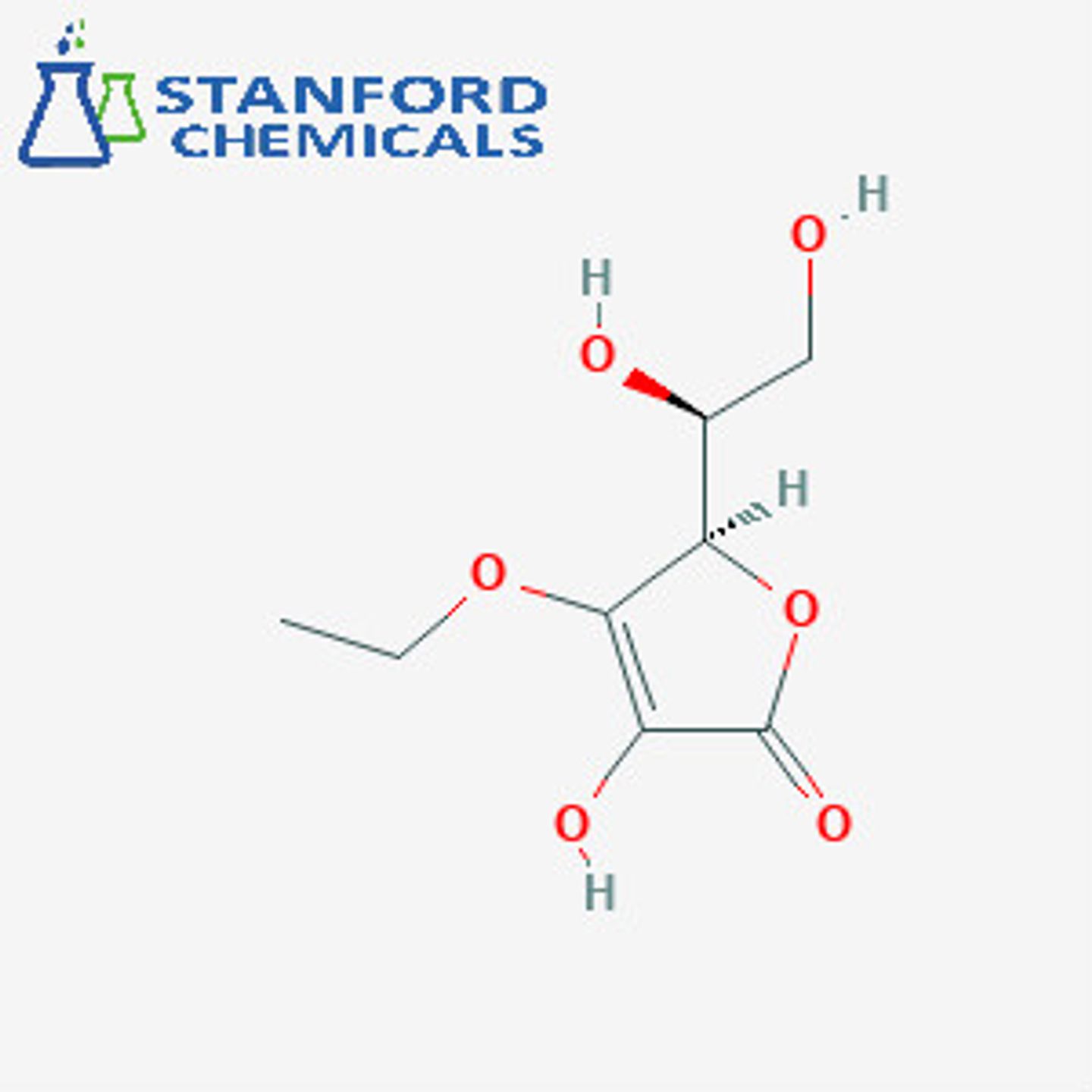

Stanford Chemicals - Food Grade Sodium Hyaluronate
High molecular weight: (MW between 1.5m~2.2m Da) can be formed a breathable film on the surface of the skin, help the skin to lock moisture, and prevent the invasion of bacteria, dust and ultraviolet, so that to protect the skin from damage. Middle Molecular weight: (MW between 1.0m~1.5m Da) can tighten the skin and keep skin moisturizing for the long term.
Applications of Food Grade Hyaluronic Acid
Common food: beverage, jelly, dairy products, etc.;
Health food: usually in combination with Collagen, Vitamins, Chondroitin Sulphate, or Glucosamine to make tablets, capsules or oral liquid these popular form
Functions of Food Grade Hyaluronic Acid
Restore skin moisture, improve skin health condition;
Antioxidation;
Improve joint health;
Improve bowel function and protect gastric mucosa.
Introduction of Food Grade Hyaluronic Acid
Edible hyaluronic acid has some unique properties and functions, such as water retention, lubrication, viscosity, and good biocompatibility, so HA is widely applied to cosmetics, health food, Beauty filing operation, and pharmaceutics, etc.
The higher the molecular weight and concentration are, the slower the dissolution velocity will be.
Features of Food Grade Hyaluronic Acid
Our Food Grade Hyaluronic Acid is manufactured by fermentation with Streptococcus equi, subsp. Zooepidemicus. It is non-animal sources, non-GMO and non-BSE/TSE risk. The raw materials used during the fermentation, including peptone, glucose, yeast extract, and other raw materials are all non-animal sources. Our production is strictly managed according to ISO 9001 and GMP standards and has been Kosher and Halal certified. It is totally safe natural ingredients.
Items: Specifications
- Appearance: White or almost white powder or granules
- Identification: A. Reaction of alkaline cupric tartrate: Positive
- B. Reaction of sodium: Positive
- Particle size: Pass through a 60 mesh sieve
- pH (5mg/mL solution): 6.0-8.0
- Bulk density: 0.3-0.6g/cm3
- Loss on drying: ≤10.0%
- Ash: ≤13.0%
- Limiting viscosity: Measured values
- Molecular weight: Measured values
- Protein: ≤0.1%
- Heavy metals: ≤20ppm
- As: ≤2ppm
- Sodium hyaluronate: ≥91.0%
- Glucuronic acid: ≥44.0%
- Bacterial counts: ≤500cfu/g
- Mold and Yeast: ≤100cfu/g
- Escherichia coli: Negative
- Staphylococcus aureus: Negative
- Salmonella: Negative