

- Home
- Companies
- Artivion, Inc
- Products
- Artivion - Model AMDS - Hybrid ...
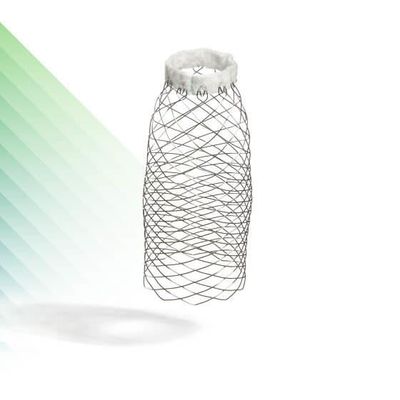
Artivion - Model AMDS -Hybrid Prosthesis
Type A Aortic Dissection (TAAD) presents itself emergently. Left untreated, mortality of type A dissection is reported to be approximately 1% to 2% per hour after onset of symptoms1 and can lead to 50% mortality in the first 48 hours.
Aortic dissection is complex and difficult to treat.4,5 Hemiarch repair alone isn’t enough to stop a dissection from causing significant complications4-7 including:
- High Mortality5,8 + Re-intervention6,8
- Aortic Growth6,9
- Malperfusion4,6 x
Distal anastomotic new entry (DANE) in the standard hemiarch repair for TAAD is considered to be one of the causes of patent false lumen (PFL) after acute type I aortic dissection repair.9-12 DANE is observed in 40-70% of patients post hemiarch repair.6,10
High Mortality
Survival with a patent false lumen gets significantly worse over the years, with a reduced actuarial survival by over 10% at 5 years and over 30% at 10 years compared to patients with occluded false lumen.11
Aortic Growth
A patent false lumen with DANE is associated with significantly greater aortic growth compared not only to a thrombosed false lumen, but also patent false lumen without DANE.9
Malperfusion
Between 30-55% of all acute TAAD patients present with malperfusion.4,13,14 In-hospital mortality rate can be 5X higher in patients presenting with any malperfusion vs. patients presenting without malperfusion.13 At least 25% of patients have post-operative malperfusion syndrome.4