NT-proBNP is a non-active pro-hormone that is released into the bloodstream in response to increased cardiac wall stress and volume overload.
Guidelines for the diagnosis of acute heart failure recommend that all patients with suspected heart failure should have diagnostic workup using natriuretic peptides, such as NT-proBNP and if available, perform the testing as a POC assay.
Using NT-proBNP measurements in conjunction with patient history (medical record) assessments are particularly useful for the urgent evaluation and triage of patients with acute dyspnea.
NT-proBNP is highly sensitive and specific and can help to rule out acute heart failure (Single rule out cut-off value of 300 pg/mL).
In the case of heart failure, NT-proBNP adds value to each step of the patient journey from diagnosis of acute heart failure to risk stratification and disease progression in patients with heart failure.
Using NT-proBNP as an aid in risk stratification for patients with acute coronary syndrome and heart failure can predict hospital readmission and mortality among patients with acute coronary syndrome.
Measurements of NT-proBNP levels over time can provide information about chronic heart failure disease progression.
Improved patient management with NT-proBNP testing
NT-proBNP testing improves early diagnosis of acute heart failure when used in conjunction with clinical assessment .
Heart failure can be ruled out faster with NT-proBNP testing in conjunction with the clinical evaluation than without an NT-proBNP test .
The use of NT-proBNP may increase diagnostic accuracy and improve patient management with reduced waiting time in the ED and may be associated with cost savings [2, 6, 15]. One study has shown that the implementation of NT-proBNP testing in the ED can reduce cost by 15%.
Ultimately, NT-proBNP testing information aids the planning of efficient care and discharge strategy.
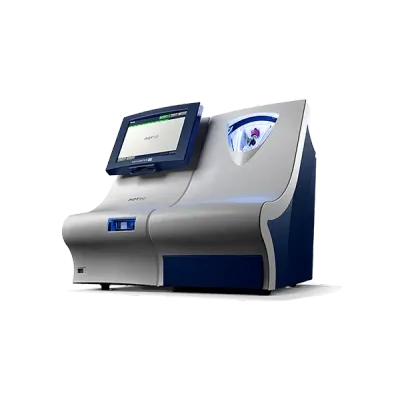
Testing NT-proBNP on the Radiometer AQT90 FLEX analyzer
The AQT90 FLEX analyzer helps speed up time to reliable results. Being comparable to a central lab assay, the AQT may offer the advantages of POC testing as an aid in timely rule out of heart failure.
The AQT90 FLEX analyzer's closed tube system makes NT-proBNP testing easy through simple handling. The operator simply loads the test tube directly into the analyzer and begins testing. There is no need for sample preparation. The analyzer performs all assay steps automatically and delivers the test result in less than 11 minutes.
With access to fast and reliable test results for your patient, you are one step closer to improving the time of diagnosing heart failure.