


iFuse - Implant System for Minimally Invasive Surgical (MIS)
Minimally invasive SI joint surgery is the current medical standard of care for SI joint fusion to relieve sacroiliac joint pain. The iFuse Implant System®, available since 2009, is a minimally invasive surgical (MIS) option designed to provide immediate sacroiliac (SI) joint stabilization and allow long-term fusion.
The iFuse Implant System® is intended for sacroiliac fusion for conditions including sacroiliac joint dysfunction that is a direct result of sacroiliac joint disruption and degenerative sacroiliitis. This includes conditions whose symptoms began during pregnancy or in the peripartum period and have persisted postpartum for more than 6 months. The iFuse Implant System is also intended for sacroiliac fusion to augment stabilization and immobilization of the sacroiliac joint in skeletally mature patients undergoing sacropelvic fixation as part of a lumbar or thoracolumbar fusion. In addition, the iFuse Implant System is intended for sacroiliac fusion in acute, non-acute, and non-traumatic fractures involving the sacroiliac joint.
There are potential risks associated with the iFuse Implant System. It may not be appropriate for all patients and all patients may not benefit.
Sacroiliac (SI) joint fusion is a surgical procedure performed in an operating room, with either general or spinal anesthesia. The iFuse Implant System, a minimally invasive surgical (MIS) procedure, requires a small incision (about one to two inches long), along the side of the buttock.
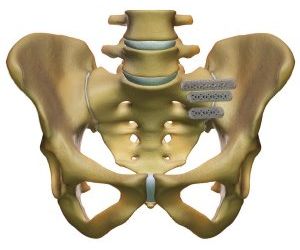
Your surgeon will use a specially designed system to guide the instruments that prepare the bone and facilitate placement of the titanium implants across the sacroiliac joint. Fluoroscopy, an imaging technique commonly used by physicians, provides your surgeon real-time moving images of internal structures during the procedure. Typically, three iFuse Implants are used in an iFuse procedure.
Both the surgical technique and the iFuse Implant System are designed to protect the tissues surrounding the surgical site.
The whole MIS SI joint procedure takes about an hour, and recovery time is significantly less than open surgery.
Your surgeon will decide when you can return home based on your postsurgical status.
Minimally invasive SI joint surgery is the current medical standard of care for SI joint fusion to relieve sacroiliac joint pain.
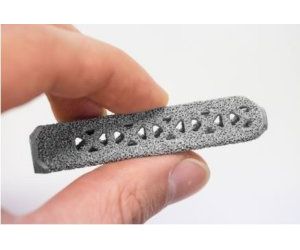
- Titanium construction designed specifically to stabilize and fuse the SI joint
- Triangular shape minimizes rotation
- Porous titanium surface allows for bony ongrowth/ingrowth17
- Proven Effectiveness [see Clinical Results]
Some complications with MIS, as with all surgery, are anticipated. Bruising, discomfort and/or pain and swelling are common experiences immediately post-operative and are anticipated to resolve over time during post-surgical recovery.
Your doctor will advise you on resuming your daily living activities as your healing and symptoms allow. Depending on your occupation, you may be able to return to work at this time. You will need to have additional X-rays taken at 6 months and later at 1 year in order to assess your progress.
Please consult your doctor for more information regarding this procedure, your candidacy for an MIS procedure, and factors that may impact surgical results.