


Finding the Right Fibroid Treatment: Zamala’s Story
Uterine fibroids are noncancerous tumors within the uterus made of muscle and connective tissue. They are common, and nearly 80% of women will develop them during a lifetime. In addition to heavy bleeding, fibroids can cause bloating, bladder problems, and fatigue.
For symptomatic fibroids, hysterectomy has historically been offered as a definitive solution. Zamala Cortes faced years of pain and heavy bleeding and did not want major surgery, hoping to start a family. She sought a second opinion from a gynecologic surgeon who specializes in fibroids and abnormal uterine bleeding. They discussed treatment options, considering the pluses and minuses and Zamala's goals.
If you have symptomatic fibroids and are seeking relief, you may have been told a hysterectomy is the only option. That was the case for Zamala Cortes, who suffered for years with pain and heavy bleeding due to fibroids. However, she did not want major surgery and hoped to start a family. She sought a second opinion and consulted a gynecologic surgeon who specializes in fibroids and abnormal uterine bleeding. Together they reviewed each option, considering the pros and cons and Zamala's preferences and goals.
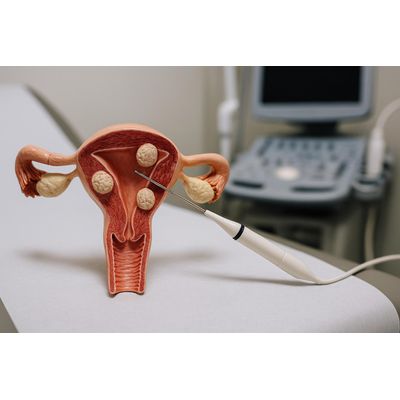
Zamala chose the minimally invasive Sonata procedure. During this outpatient treatment, targeted radiofrequency energy is applied to the fibroid, causing it to shrink over time and relieve symptoms. No incisions are made and the uterus is left intact. The safety and effectiveness of Sonata in women who desire future pregnancy have not been established; pregnancy outcomes are unknown and were discussed as part of their shared decision making.
Zamala's Sonata procedure allowed her to go home the same day and achieve the relief she sought. She later fulfilled her dream of motherhood and is now a mom to a busy toddler.
The Sonata procedure, step-by-step
Before starting the procedure, a pregnancy test is performed to ensure you are not pregnant. The procedure is performed under general anesthesia for patient comfort.
- 1. Insertion: The cervix is dilated and a slim ultrasound probe is gently inserted into the uterus to locate fibroids.
- 2. Placement: The tip of the device is inserted into the center of the fibroid.
- 3. Ablation: Targeted heat is used to ablate and treat the fibroid. This process may be repeated until each intrauterine fibroid is treated.
- 4. End of procedure: The device is removed from the uterus, and over time the treated fibroid tissue shrinks, softens and is absorbed by the body.
Shared decision making and outcomes
Zamala’s experience illustrates the value of collaboration between patient and physician, guided by evidence and patient priorities. Studies indicate that engaged patients tend to report higher satisfaction and lower uncertainty about treatment choices. Clinicians often encourage patients to prepare questions ahead of visits to facilitate discussions. The typical delay before seeking treatment for fibroids averages about 3.6 years, with contributing factors including access barriers and the perception that heavy periods are normal. The physician emphasizes listening to patients and addressing concerns to guide the discussion.
What stood out to Zamala was that she was given options rather than a single directive. If you have fibroid symptoms or face treatment decisions, discuss options with your clinician, ask questions, and consider second opinions. Uterine-sparing approaches may provide relief with shorter recovery.
We are available to help you take your first steps toward better management.
Note: Dr. Shirazian is a paid consultant of Hologic. The views expressed are their own and do not necessarily reflect those of Hologic.
This content is intended for informational purposes only and is not medical advice.
Original: https://gynsurgicalsolutions.com/change-the-cycle-blog/fibroids/finding-the-right-fibroid-treatment-zamalas-story/