
Epidermal Growth Articles & Analysis: Older
16 articles found

Adenocarcinoma of the breast represents a significant subset of breast cancers, characterized by the malignancy of glandular tissues. This specific article focuses on the right medial segment, highlighting its histopathological features, diagnostic methods, and potential therapeutic avenues. Overview of Adenocarcinoma Adenocarcinomas in the breast typically arise from the epithelial cells lining ...

Cytokines are a diverse group of small protein molecules that play crucial roles in the immune system and various biological processes. They are synthesized and secreted by a range of immune cells, including monocytes, macrophages, T cells, B cells, and natural killer (NK) cells, as well as certain non-immune cells like endothelial cells, epidermal cells, and fibroblasts. Cytokines are produced ...
Introduction of Drug Affinity Responsive Target Stability (DARTS) Drug target protein identification is an important step in the research and development of new drugs. Drug Affinity Response Target Stability (DARTS) is a technique that can rapidly and directly identify potential target proteins of small molecule drugs. That is, it prevents the target protein from being hydrolyzed by proteases ...

Vaccines are considered one of the most successful medical interventions in the past few centuries, aiming to harness the human immune system and generate lasting protection against specific diseases. Traditional vaccines rely on the use of inactivated pathogens to trigger an immune response. However, many of these formulations carry a high risk of causing allergies or autoimmune reactions. ...

Minoxidil was first introduced by Upjohn Company of the United States, and was first used as an oral drug for the treatment of refractory hypertension in the 1970s. In later clinical applications, doctors observed hair regrowth and generalized excessive hair in balding patients, which led to the development of minoxidil preparations. Minoxidil can increase local blood supply, stimulate the ...
Breast cancer is the most frequent cancer among women, impacting 2.1 million women each year, and also causes the greatest number of cancer-related deaths among women. In 2018, it is estimated that 627,000 women died from breast cancer – that is approximately 15% of all cancer deaths among women. While breast cancer rates are higher among women in more developed regions, rates are ...
According to the latest data, breast cancer has overtaken lung cancer to become the most common cancer among women, and the death rate is the second highest among female tumors, seriously affecting the physical and mental health of women around the world. Patients with abnormal expression of human epidermal growth factor receptor (HER2) account for 15%-20% of all breast cancers, which is highly ...

Breast cancer is the malignant tumor with the highest morbidity and mortality among women worldwide. At present, the main therapeutic methods include surgery, chemotherapy, radiotherapy, endocrine therapy and targeted therapy, etc. The development and marketing of new drugs have far-reaching significance in improving the survival of breast cancer patients and changing the pattern of breast cancer ...

Worldwide, breast cancer is the most commonly diagnosed cancer and the leading cause of cancer deaths in women, with over 650,000 deaths in 2020.1,2 Human epidermal growth factor receptor 2 (HER2)-targeted agents have improved outcomes in HER2-positive breast cancer, but most patients in first-line therapy do not respond to current therapies, eventually relapse or develop ...

The Covid-19 pandemic highlighted the disparity between those who succumbed to severe illness while others remained relatively unaffected, underscoring the urgent need to shift the healthcare industry’s focus from a one-size-fits-all approach to more personalised healthcare. Personalised medicine promises to transform healthcare with treatments tailored to a patient’s unique genetic ...
ByLifebit
Cytokines are classified according to their different roles in the inflammatory response: pro-inflammatory cytokines and anti-inflammatory cytokines. Pro-inflammatory Cytokines Interleukin-1 (IL-1) IL-1 is a proinflammatory cytokine that activates a variety of immune and inflammatory cells and is secreted mainly by monocytes/macrophages, neutrophils and endothelial cells. IL-1 consists of two ...

Fluorescence in situ hybridization (FISH) is a technique that prepares acceptable results for molecular imaging biomarkers to precisely and dependably detect and diagnose disorders which are sign of cancers. Since contemporary manual FISH signal analysis is low-effective and inconsistent, it is an attractive research area to develop automated FISH image scanning systems and computer-aided ...
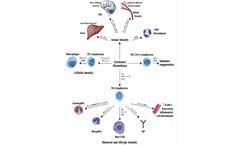
Cytokines are a class of small molecule proteins secreted by cells that mediate and regulate immune processes, and they act in an autocrine, paracrine and endocrine manner. More than 200 types of human cytokines have been identified, which can be generally classified into interleukins, interferons, tumor necrosis factors, colony-stimulating factors, chemokines, growth factors, etc. according to ...

Prolotherapy has been a part of modern orthopedic practices since the 1940s. It is growing in popularity not just in the U.S., but globally as well. Also known as “regenerative injection therapy” (RIT), prolotherapy is a procedure used to treat musculoskeletal conditions including tendinopathies, osteoarthritis, and chronic pain of the cervical spine, lumbar spine, and pelvis (Sit et ...

Abstract Intervention with drugs to reduce Low Density Lipoprotein-cholesterol (LDL-C) has proven to decrease the risk of subsequent cardiovascular events, including mortality. Our goal is to develop novel, small molecule, LDL-C lowering drugs by targeting the Low Density Lipoprotein Receptor (LDLR) degradation pathway, which is modulated by the protease proprotein convertase subtilisin-like ...

Exposure of phosphatidylserine (PS) on the cell surface occurs early during apoptosis and serves as a recognition signal for phagocytes. Clearance of apoptotic cells by a membrane PS receptor is one of the critical anti-inflammatory functions of macrophages. However, the PS binding receptors and their recognition mechanisms have not been fully investigated. Recently, we reported that stabilin-2 ...