


Aran Biomedical Teoranta products
Implantable Medical Textiles
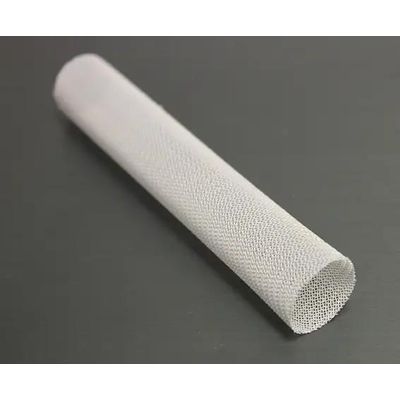
Aran - Knitted Medical Fabrics
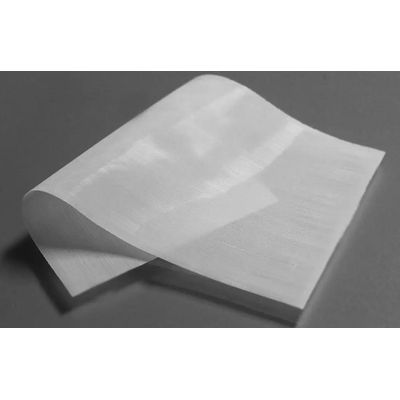
Aran - Woven Medical Fabrics
Woven medical fabrics are made up of interlacing yarns which cross one another at right angles. The weft yarns run transversely across the loom, with the warp yarn running longitudinally, creating a dimensionally stable implantable fabric. This implantable fabric configuration results in a flexible material with desirable performance attributes applied, such as high tensile strength, high suture retention, and a high level of burst strength. When compared to knitted fabric this material can be manufactured to be comparatively thinner, with a smaller pore size. This is usually applied where the fabric is required to act as an impermeable barrier.
Implant Coating
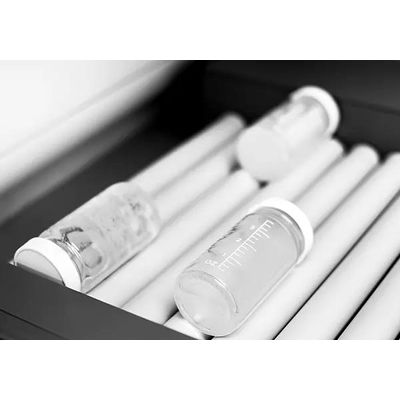
Aran - Lubricious Coatings
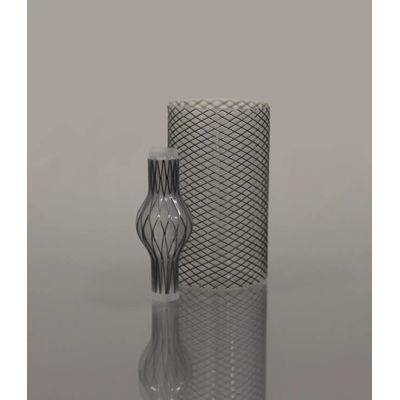
Aran - Elastomeric Coatings
Elastomeric coatings offer numerous functional benefits for implantable devices. The most obvious application is to create a blood impermeable barrier, which restricts blood flow to key locations. The barrier can also eliminate tissue adhesion to an implant, or contain material, such as thrombus, emboli or ureteral stone fragments, for example.
Nitinol Braiding
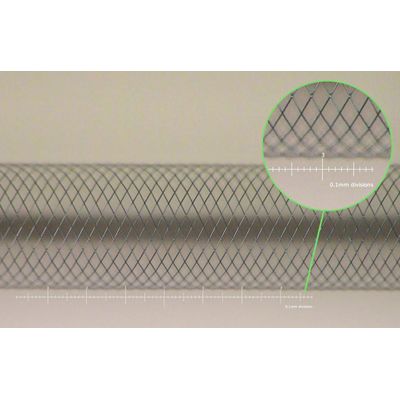
Micro Fine Wire Braiding
Aran Biomedical offers substrate micro fine wire for implantable devices. These high-density braids are made from ultra-fine wire and polymers and can be as low as 0.001” (25 micron). This low-profile wire braiding capability enables the production of fabrics with miniscule pore sizes, necessary for next generation braided cardiovascular devices. Materials include Nitinol Wire, and DFT Wire.
Biomaterial Braiding
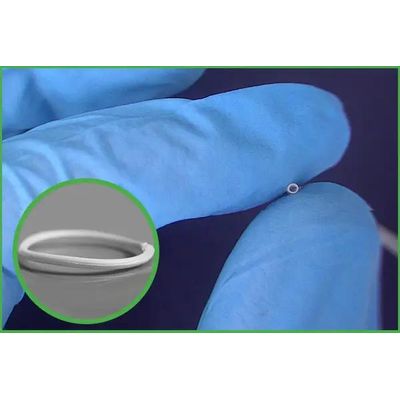
Aran - Polyethylene Terephthalate (PET)
Polyethylene terephthalate (PET) is the most common resin of the Polyester family, and the fibre is often referred to as Dacron or Terylene in the medical device industry. All our PET is implantable grade, and we work with monofilament and multifilament input yarns to develop low-profile braided constructs for implantable use. The braids can be supplied as components or finished medical devices. Applications can include annuloplasty rings, frame membranes and low-profile sutures.
PTFE Implant Covering
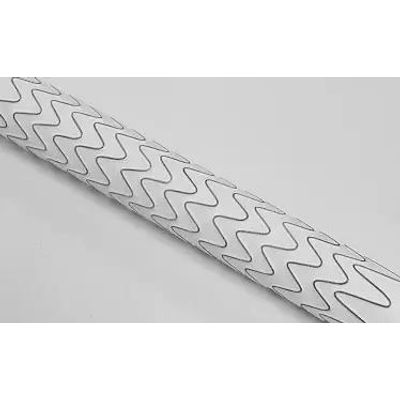
Aran - Poly Tetra Fluoro Ethylene (PTFE)
PTFE is a well-established biomaterial with a long clinical history of implantation. It has been approved by regulatory bodies for several decades and is used extensively in a range of vascular indications.
Covered Stents
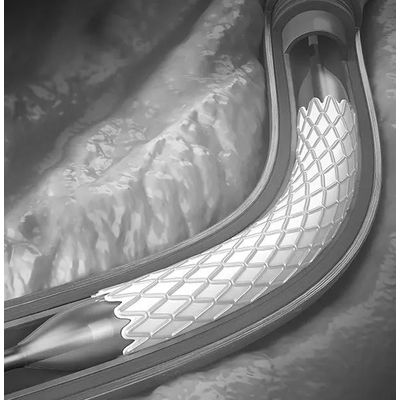
Aran - PTFE Covered Stents
Aran Biomedical offers PTFE stent encapsulation services for balloon and self-expanding stents. The company has significant expertise covering even the most challenging stent geometries, including conical and flared stents, double flared stents, and even stents featuring integrated electrical components. Stent covering wall thickness can be as low as 40 micron (0.0016″), ensuring minimum impact to sheath size when moving from a bare metal design. During the development phase, material encapsulation can be optimised to suit individual stent designs and the indication for use. Multi-axial laser processing ensures an optimum finish for the covered stents and the scope to integrate features into the stent wall.
Absorbable Implants
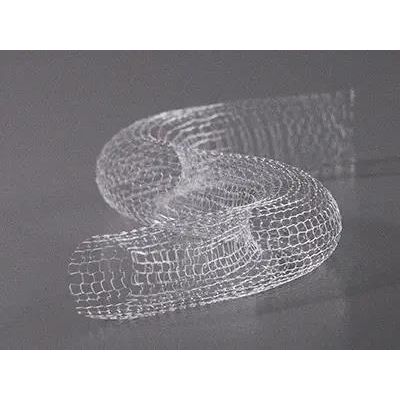
Aran - Absorbable Textiles
Whether braiding, knitting or weaving, Aran Biomedical has significant expertise manufacturing absorbable implantable textiles, such as absorbable mesh for hernia repair, absorbable sutures for sports medicine applications or implantable textiles for cardiovascular applications.