


Brooklyn ImmunoTherapeutics (BTX) products
Cellular Engineering Technology

Synthetic mRNA
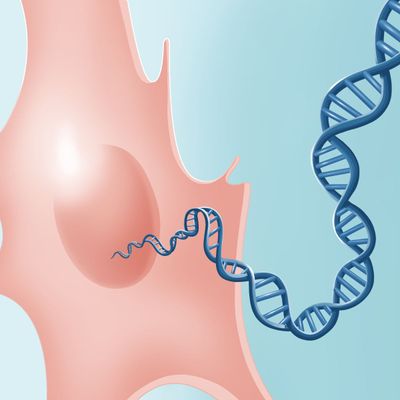
Messenger RNA (“mRNA”) is a special class of molecules containing instructions that determine how cells function. Brooklyn’s platform is being designed to harness mRNA to engineer cells to treat disease by repairing disease-causing mutations and directing the formation of stem cells. Expressing reprogramming proteins by repeated transfection with protein-encoding RNA could avoid the limitations of both DNA and protein-based reprogramming techniques. However, transfection with long, in vitro-transcribed RNA triggers a potent innate immune response in human cells, even when the RNA is capped and polyadenylated to mimic eukaryotic mRNA. To address this problem, researchers have discovered methods of suppressing innate immunity, which enable frequent transfection with protein-encoding RNA.
Cellular Reprogramming
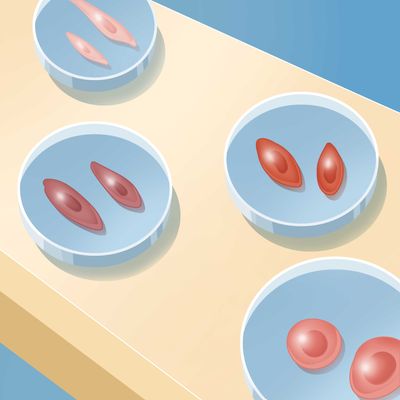
Cellular reprogramming refers to the process of transforming patient skin cells into pluripotent stem cells, called induced pluripotent stem cells (iPSC). Since 2012 Nobel Prize Winner Dr. Shinya Yamanaka`s initial discovery of iPSC in 2006, iPSC availability has transformed the field of cell therapy. Brooklyn uses the fastest, highest-efficiency method for generating iPSC – a key invention now recognized by numerous patents. The patented methods can transform patient skin cells into stem cells more rapidly, efficiently, and safely than previous techniques.

Gene Editing
Our partners at Factor Bioscience have developed a technology that uses mRNA to express gene-editing proteins. This technology can enable dramatically higher efficiency gene editing, including in primary cells, than other approaches, without using viruses or DNA-based vectors that may cause unwanted mutagenesis. We can use this technology to inactivate one or more genes and/or insert a donor sequence into a genomic safe harbor locus, enabling controlled expression of an exogenous gene.
Cytokine Development - Technology
Human Derived Mixed Cytokines
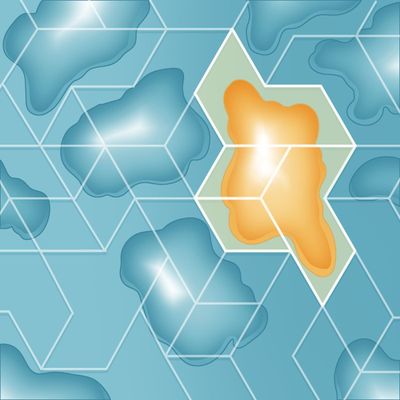
Why human derived? Brooklyn has developed a powerful method to create complex cytokine mixtures derived from a human source. Cytokines are powerful immune factors that play an essential role in T cell signaling, activation, proliferation, and tumor-fighting responses. We know cytokines may induce beneficial reactions in cancer patients. To date, available cytokine therapies have been recombinant and have historically employed high doses. These therapies are often associated with increased toxicity and off-target immune-related adverse effects. Unlike recombinant or engineered cytokine drug candidates, Brooklyn’s mixed cytokine product derives from human blood cells, so the cytokines have a natural conformation. This natural conformation leads to greater functionality and permits activity with lower dosing.
Cellular Engineering - Programs
Model iPSC-derived - Mesenchymal Stem/Stromal Cells (Msc)
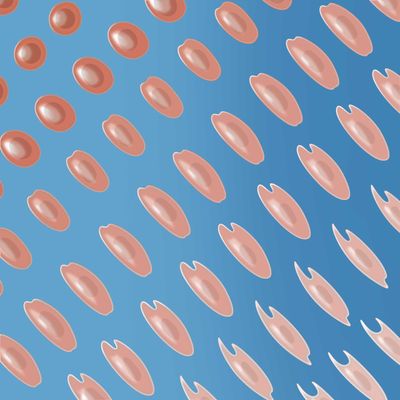
Mesenchymal stem/stromal cells (MSC) have undergone extensive clinical testing for many diseases and have consistently demonstrated safety. In addition, the immunomodulatory properties of MSC have been well characterized. However, adult-tissue-derived MSC have shown inconsistent therapeutic efficacy, significant variability among samples, and limited proliferative capacity. On the other hand, MSC derived from iPSCs (iMSC) offer a near limitless supply of cells due to their superior expansion potential. Our data shows improved therapeutic properties and greater consistency of iMSC relative to adult-derived MSC.
Gene Edited iMSC
Utilizing highly efficient mRNA-based gene editing, Brooklyn will precisely engineer changes in the genome of iPSC, followed by a thorough characterization of the new cell line. The gene-edited iPSC will then be used to produce iMSC that have been endowed with beneficial properties to broaden and enhance therapeutic uses. Our first gene-edited iMSC product will be used as a cancer immunotherapeutic, taking advantage of the tumor homing properties of MSC and engineering the cells to deliver immune-stimulating proteins to enhance the immune system’s killing of cancer cells.

In Vivo Gene Editing
The foundational technology of synthetic mRNA, precise gene-editing machinery, and non-viral delivery also enable the development of genetic medicines with curative potential for multiple disease states. Brooklyn is developing products designed to edit a patient’s genome inside their body and address diseases with clear genetic causation.
Cytokine Development - Programs
Model IRX-2 - Human-Derived Mixed Cytokine
IRX-2 is a human-derived mixed cytokine product containing more than 29 cytokines that promote or enhance a complex immune response. Scientists are developing IRX-2 as a cancer immunotherapy. IRX-2 is administered as a subcutaneous injection around lymph node beds near the tumor target. IRX-2 is produced under cGMP (current good manufacturing process) conditions following stimulation of a particular set of human peripheral blood mononuclear cells (PBMCs) by phytohaemagglutinin (PHA). Cytokine production induced by PHA mimics that seen after brisk stimulation of human immune cells by an immunogenic pathogen or an infection. We obtain source material PBMCs from FDA-licensed blood banks. Preclinical data from animal and in vitro studies, as well as biologic data from patients in clinical trials, demonstrate that IRX-2 acts in multiple ways to augment the immune response and influence the target tumor microevironment.