


- Home
- Companies
- Kiadis Pharma NV
- Products
Kiadis Pharma NV products
Model K-NK002 - NK Cells for Cancer Immunotherapeutics
K-NK002: A phase 2 clinical study evaluating haplo-identical NK cells to prevent post-transplant relapse in patients with acute myeloid leukemia (AML) and myelodysplastic syndromes (MDS). This study was designed based on promising clinical proof-of-concept data from MD Anderson Cancer Center. The phase 2 trial for K-NK002 will be conducted in collaboration with the Bone Marrow Transplant Clinical Trial Network (BMT CTN), which consists of the premier transplant centers in the United States.
Model K-NK003 - NK Cells for Cancer Immunotherapeutics
K-NK003: A phase 1 study evaluating NK cells as a treatment for patients with relapse and refractory acute myeloid leukemia (AML). This study was designed based on promising clinical proof-of-concept data from two studies, one at MD Anderson Cancer Center and one at HCPA in Brazil.
Model K-NK00X - NK Cells for Cancer Immunotherapeutics
K-NK00X: Kiadis is evaluating preclinical programs with K-NK-cell therapies for the treatment of hematologic and solid cancers.
NK-Cell Therapy
Ushering in the Future of NK-cell Therapy: Natural killer (NK) cells have long been known to play a significant role in the body’s innate immune response. They were first described in the 1970s, but only in the last 15 years has significant progress been made in understanding the complexities and therapeutic potential these cells offer in helping fight cancer and other diseases.1 Today, we know that NK cells not only detect and identify malignant cancer cells, but they also induce cancer cell death4,5 and even help trigger a broader adaptive immune response in order to fully engage and fight tumor cells.6,7
Pipeline
Amlitelimab - Model OX40L - SAR445229 (Formerly KY1005) - Human Monoclonal Antibody
Amlitelimab SAR445229 (formerly KY1005) is a human monoclonal antibody that targets OX40L, a key regulator of the immune system. Amlitelimab is designed to rebalance the immune system by blocking inappropriate activation and proliferation of ‘pro-inflammatory’ effector T cells and promoting expansion of ‘anti-inflammatory’ regulatory T cells, without broad suppression of the immune system. We believe this mechanism-of-action means Amlitelimab could be applicable to a range of autoimmune and inflammatory diseases. In our Phase 1 clinical trial in healthy volunteers, Amlitelimab was able to block T cell-driven skin inflammation while being well tolerated. We believe the immune-modulating mechanism of Amlitelimab has broad potential therapeutic application in multiple diseases caused by immune dysregulation.
Alomfilimab - Model SAR445256 (Formerly KY1044) - Anti-ICOS Monoclonal Antibody
Alomfilimab SAR445256 (formerly KY1044) is a human monoclonal IgG1 that selectively binds to Inducible T cell CO-stimulator (ICOS), a protein expressed at high levels on immunosuppressive regulatory T cells and at lower levels on effector T cells. Alomfilimab is designed to exert anti-tumour activity through preferential depletion of intra-tumoral regulatory T cells and stimulation (agonism) of ICOS-positive effector T cells.
Technology
IntelliSelect - Antibody Repertoire Technology
We believe our IntelliSelect® Technology platforms reduce the risk of missing novel solutions and increase the quality and differentiation of antibodies, to identify product candidates with the most desirable drug-like properties.
IntelliSelect - Antibody Transgenic Platforms Technology
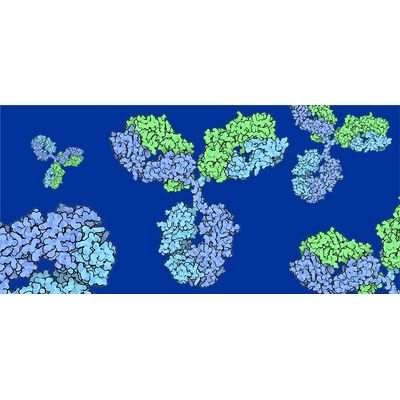
Our IntelliSelect® Transgenic platforms utilize the immune system’s natural mechanisms to create fully-human antibodies that are mature or evolved to be highly specific for their target. We have achieved this by creating several strains of mice in which a complete set of human antibody genes and their landscape of surrounding human genomic DNA was carefully reconstructed in the mouse. The human antibody gene loci in our IntelliSelect® Transgenic platforms mirror those in a human because we utilize the full expanse of the sequence found in humans.
Innovative Antibodies
Accessing a new repertoire of targets. Two classes of molecule with therapeutic potential that are not currently addressed by antibody drugs are G-protein-coupled receptors and ion channels, largely because they display small epitopes not accessible to traditional antibodies and their sequence is often conserved and thus less likely to be antigenic.