
Stanford Chemicals Company products
Hyaluronic Acid
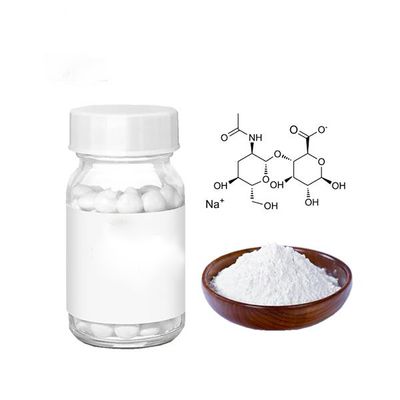
Stanford Chemicals - Medical Grade Sodium Hyaluronate
For parenteral preparations or oral preparations not including intra-articular and intra-ocular preparations. It can be used in eye drops, contact lens solutions, topical preparations for the wound or burn healing, medical lubricants, etc.
Stanford Chemicals - Cosmetic Grade Sodium Hyaluronate
High purity Sodium Hyaluronate Cosmetic Grade CAS NO.:9067-32-7 ,active pharmaceutical ingredient. There are two types of hyaluronic acid available to cosmetic formulators – HIGH MOLECULAR WEIGHT (the most common), and LOW MOLECULAR WEIGHT Hyaluronic Acid.
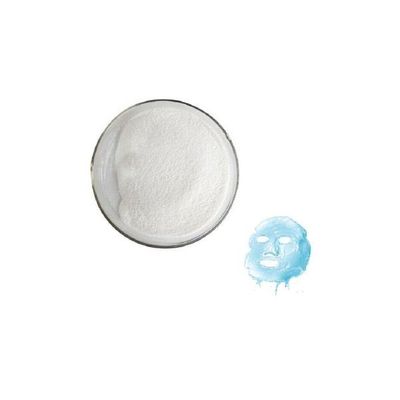
Stanford Chemicals - Food Grade Sodium Hyaluronate
High molecular weight: (MW between 1.5m~2.2m Da) can be formed a breathable film on the surface of the skin, help the skin to lock moisture, and prevent the invasion of bacteria, dust and ultraviolet, so that to protect the skin from damage. Middle Molecular weight: (MW between 1.0m~1.5m Da) can tighten the skin and keep skin moisturizing for the long term.
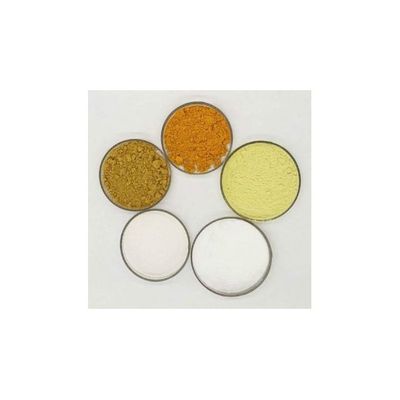
Stanford Chemicals - Injection Grade Sodium Hyaluronate
Injection Grade Sodium Hyaluronate is widely used for parenteral preparations including intra-articular and intra-ocular preparations, such as OVD, intra-articular injections, intradermal injections for aesthetic correction, anti-adhesive products, etc.
Active Pharmaceutical Ingredient
Stanford Chemicals - Model 040-000-284 - Hydroxychloroquine Sulfate, CAS 747-36-4
Hydroxychloroquine is usually taken with food or milk to prevent stomach upset. It was approved for medical use in the United States in 1955. It regulates the activity of the immune system and modifies the underlying disease process, rather than simply treating the symptoms.
Stanford Chemicals - Model 040-000-285 - Losartan Potassium, CAS 124750-99-8
Losartan competes with the binding of angiotensin II to AT1 receptors. The concentration that inhibits 50% of the binding of angiotensin II (IC50) is 20 nM. Losartan (40 μM) affects ISC but prevents the effect of ANGII on ISC. Losartan significantly reduces Ang II-mediated cell proliferation in endometrial cancer cells. The combination of losartan and anti-miR-155 has a significantly greater antiproliferative effect compared to each drug alone.
Stanford Chemicals - Model 040-000-285 - Losartan Potassium, CAS 124750-99-8
Remdesivir (development code GS-5734) is a novel antiviral drug in the class of nucleotide analogs. It is a nucleoside analogue, with effective antiviral activity, with EC50s of 74 nM for SARS-CoV and MERS-CoV in HAE cells, and 30 nM for murine hepatitis virus in delayed brain tumor cells. Remdesivir is highly effective in the control of 2019-nCoV (COVID-19) infection in vitro.
Herbal Extracts
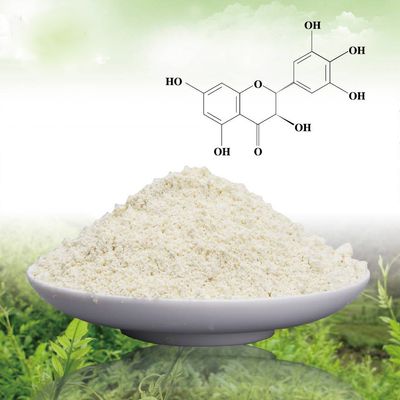
Stanford Chemicals - Dihydromyricetin
Stanford Chemicals sells only the highest quality Dihydromyricetin (DHM) and stand behind our product. Our DHM is manufactured in the United States, and is rigorously tested for purity and effectiveness.
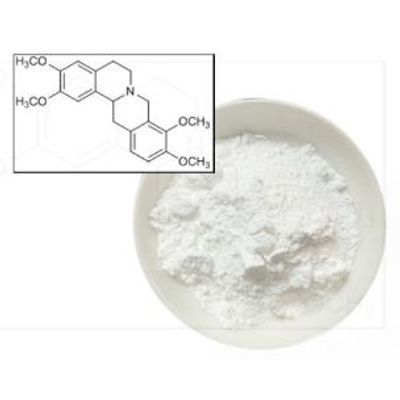
Stanford Chemicals - Model THP - L-Tetrahydropalmatine
Tetrahydropalmatine (THP) is an isoquinoline alkaloid found in several different plant species, mainly in the Corydalis genus, but also in other plants such as Stephania rotunda.

Stanford Chemicals - Model 050-000-209 - Salicin (C13H18O7)
Salicin (C13H18O7) is an alcoholic beta-glycoside. It is closely related chemically to aspirin and has a very similar action in the human body. Used as an analgesic and, formerly, in veterinary practice, as a bitter stomachic, antirheumatic and analgesic. Salicin is extracted from Salix babylonica L.. Stanford Chemicals has been providing quality Salicin and many other natural plant extracts for over 15 years.